In the realm of microscopy experiments, precision and accuracy are of utmost importance. One crucial tool that plays a significant role in transferring samples is the Pasteur pipette. As a supplier of high – quality Pasteur pipettes, I’ve had the privilege of seeing firsthand how these simple yet effective tools can make a difference in laboratory work. In this blog post, I’ll share in – depth knowledge on how to use a Pasteur pipette for transferring samples in a microscopy experiment. Pasteur Pipette
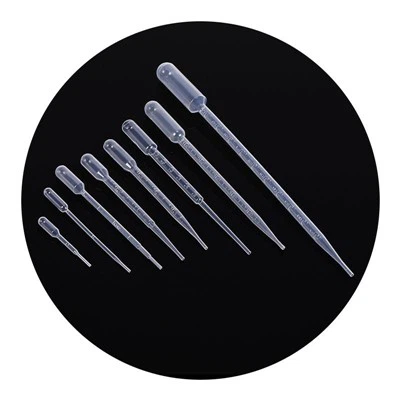
Understanding the Pasteur Pipette
The Pasteur pipette, also known as a dropper pipette, is a thin, tapered glass or plastic tube. The classic glass Pasteur pipette has been a staple in laboratories for decades due to its transparency, which allows for easy visualization of the liquid being transferred. Plastic pipettes, on the other hand, are becoming more popular because they are disposable, reducing the risk of cross – contamination.
The tip of the Pasteur pipette is extremely narrow, which gives it the ability to pick up and dispense small amounts of liquid precisely. The upper end of the pipette usually has a rubber bulb or teat, which is squeezed to create suction and draw the liquid into the pipette.
Preparing for the Experiment
Before using a Pasteur pipette, it’s essential to prepare the workspace and the pipette itself. First, make sure your microscope workbench is clean and free from any debris. All the necessary materials, including the sample, a slide, and cover slip, should be neatly arranged.
Inspect the Pasteur pipette thoroughly. Look for any cracks in the glass or damage in the plastic if you’re using a disposable one. For glass pipettes, if there are any rough edges on the tip, it’s advisable to smooth them using a flame or a file gently. This prevents the sample from being damaged during the transfer process.
If you’re using a rubber bulb, check that it’s intact and flexible. A damaged or stiff bulb will not create sufficient suction to draw in the sample properly.
Drawing the Sample
Once everything is ready, it’s time to draw the sample into the Pasteur pipette. Hold the Pasteur pipette in your dominant hand vertically. Using your thumb and index finger, squeeze the rubber bulb gently to expel the air inside. Be careful not to squeeze it too hard, as this may cause liquid to be ejected forcefully later.
Insert the tip of the pipette into the sample. Make sure the tip is fully submerged in the liquid, but not touching the bottom or sides of the container to avoid picking up any sediment or contaminants. Slowly release the pressure on the rubber bulb. As you do this, the suction created will draw the sample into the pipette.
Pay close attention to the level of the liquid in the pipette. You may want to draw in a small amount at first, especially if you’re unsure about the exact volume needed for the microscopy experiment. It’s better to draw in a little at a time and add more if necessary than to draw in too much and have to remove the excess.
Controlling the Flow
While drawing and dispensing the sample, it’s crucial to have good control over the flow of the liquid. The key to this is the pressure you apply on the rubber bulb. If you’re finding it difficult to draw in a small amount of liquid, you can try squeezing the bulb just slightly more and then slowly releasing it. This allows for a more controlled intake of the sample.
When it comes to dispensing the liquid, it’s important to be gentle as well. Press the bulb slowly and steadily to release the sample drop by drop. For very small samples, you can try using your finger to cover a small part of the upper opening of the pipette while gently pressing the bulb. This further restricts the flow and gives you even more precise control over the amount of liquid being dispensed.
Transferring the Sample to the Microscope Slide
Once you have the required amount of sample in the pipette, carefully remove the pipette from the sample container. Hold the slide horizontally in your non – dominant hand. Position the tip of the pipette just above the center of the slide.
Slowly and steadily press the rubber bulb to release the sample onto the slide. Try to dispense the sample as a single drop or a small cluster of drops, depending on the requirements of your experiment. A single large drop might spread too much on the slide, while many tiny drops may dry out quickly and cause artifacts in your microscopy image.
Spreading the Sample (if necessary)
In some microscopy experiments, you may need to spread the sample evenly on the slide to get a better view. After dispensing the sample, you can use a clean cover slip to spread it. Place one edge of the cover slip at the edge of the sample drop at a 45 – degree angle. Then, slowly lower the cover slip onto the sample, allowing the liquid to spread evenly beneath it.
Be careful not to trap air bubbles under the cover slip. If bubbles form, you can try gently tapping the cover slip with a pair of forceps to make the bubbles move to the edge of the cover slip and escape.
Cleaning and Disposal
After using the Pasteur pipette, it needs to be either cleaned or disposed of properly. If you’re using a glass pipette, you can rinse it thoroughly with distilled water several times. Then, soak it in a cleaning solution (such as a mild detergent or a specific laboratory cleaner) for a few hours. After soaking, rinse it again with distilled water and allow it to dry completely before storing.
Disposable plastic pipettes should be discarded in a proper biohazard waste container to prevent the spread of any potential contaminants. Never reuse disposable pipettes, as this can lead to inaccurate results due to cross – contamination.
Troubleshooting
During the process of using a Pasteur pipette, you may encounter some issues. For example, if the pipette is not drawing in the sample, check the rubber bulb. It may be too stiff or have a small hole. Try replacing the bulb if necessary.
If there are drips when you’re trying to dispense the sample, make sure your hand is steady and that you’re pressing the bulb gently and evenly. Sometimes, the tip of the pipette may be too wet, so you can blot it gently on a piece of clean tissue before attempting to dispense the sample again.
Why Choose Our Pasteur Pipettes?
As a supplier of Pasteur pipettes, we understand the importance of quality in laboratory tools. Our pipettes are manufactured using high – grade materials. The glass pipettes are made of heat – resistant and chemical – resistant glass, ensuring they can withstand the demanding conditions of laboratory work. The plastic pipettes are made from non – toxic and highly durable plastic, providing a reliable and disposable option.
We offer a wide range of Pasteur pipettes in different sizes to meet the various needs of microscopy experiments. Whether you need a pipette for transferring very small amounts of a rare sample or a larger volume for a routine experiment, we have the right product for you.

Our commitment to quality extends beyond just the product itself. We ensure that our pipettes are carefully packaged to prevent any damage during shipping. And our customer service team is always ready to answer any questions you may have about our products, including how to use them effectively in your experiments.
Contact Us for Procurement
Pasteur Pipette If you’re looking for high – quality Pasteur pipettes for your microscopy experiments, we invite you to contact us for procurement. Our team of experts can provide you with detailed information about our products, including prices, available quantities, and shipping options. By choosing our Pasteur pipettes, you’re investing in a tool that will help you achieve accurate and reliable results in your laboratory work.
References
- "Microscopy Techniques and Applications" – A comprehensive textbook on laboratory microscopy procedures.
- "Laboratory Pipetting: Best Practices" – A guidebook published by a leading scientific research institute on the proper use of laboratory pipettes.
- "The History and Use of Pasteur Pipettes in the Laboratory" – An academic article discussing the development and applications of Pasteur pipettes over the years.
Taizhou Yukang Medical Devices Co., Ltd.
As one of the leading pasteur pipette manufacturers and suppliers in China, we warmly welcome you to buy customized pasteur pipette at competitive price from our factory. If you have any enquiry about quotation, please feel free to email us.
Address: Heheng Village, Shengao Town, Jiangyan District, Taizhou City
E-mail: taizhouyukang@163.com
WebSite: https://www.tzykylqx.com/
