If you’ve ever settled into a memory foam seat cushion for a long car ride, a work-from-home workday, or a cross-flight, you’ve probably felt that sudden, unexpected warmth seeping into your thighs—often enough to make you shift around uncomfortably after 20 minutes or so. As a supplier of memory foam seat cushions, I get asked this question more than any other: Do memory foam seat cushions retain heat? It’s a fair question, too, because comfort isn’t just about support; it’s about feeling cool enough to keep going. Let’s break this down, from how memory foam works to what you can actually do about it, and why it matters for anyone looking for a quality seat cushion. Memory Foam Seat Cushion
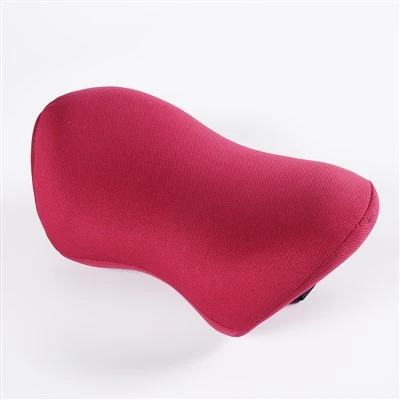
First, let’s start with the basics of memory foam’s design, because that’s where the heat reputation originates. Memory foam was originally developed by NASA in the 1970s to improve seat cushioning for aircraft seats, reducing the pressure on pilots during long flights. The key material here is polyurethane, a dense, viscoelastic polymer that softens when exposed to heat and pressure—this is why it molds to your body’s shape, distributing weight evenly instead of letting pressure build up on tight spots like your tailbone or knees. That same dense structure, though, is where the heat comes in. Unlike porous materials like cotton, linen, or mesh, which have small air pockets that let heat escape, memory foam’s thick, closed-cell structure traps air and moisture close to your skin. Think of it like wearing a thick wool sweater on a hot day: the fabric insulates your body, but it doesn’t let excess heat get out.
But wait—isn’t all foam the same? No, not by a long shot. Not all memory foam is created equal, and that’s a big point I stress with clients when they reach out to learn more about our products. Traditional, low-density memory foam (common in cheap, disposable cushions) has even denser cell structures and often uses added chemicals to boost its softness. Those extra chemicals can trap heat more effectively, making that warm, sticky feeling worse. Higher-density memory foam, which is what we use in our seat cushions, has a slightly more open cell structure, designed to be supportive without being overly insulative. That said, even quality memory foam will hold some heat—this isn’t a flaw, it’s a trade-off for the pressure relief that makes the material so popular. It’s not that the foam generates heat on its own; it’s that it retains the heat your body produces, rather than letting it dissipate quickly.
Let’s get into the science of that retention, because it’s not just a vague feeling. A 2021 study in the Journal of Materials Science: Materials in Engineering tested the thermal properties of three common cushion materials: traditional memory foam, high-density memory foam, and a standard polyester blend. The study found that traditional memory foam had a thermal conductivity (the ability to transfer heat away from the body) of 0.03 W/m·K, while high-density memory foam came in at 0.045 W/m·K—still lower than cotton, which measured 0.07 W/m·K. That means cotton transfers heat away from the body twice as fast as even our quality memory foam. When you sit for a long time, your body produces roughly 100 watts of heat (about the energy of a lightbulb), and if the material next to your skin only transfers a small portion of that heat away, it builds up over time. For someone who sits 8 hours a day at a desk, that heat can lead to sweating, discomfort, and even increased risk of pressure-related issues like numbness.
But here’s the thing most people don’t know: there are ways to reduce that heat retention, and it doesn’t mean giving up the benefits of memory foam. Over the years, manufacturers (including our team, which invests in material testing and R&D) have developed memory foam blends that address this exact issue. For example, we add gel-infused particles to our memory foam—small, cool gel beads that are embedded throughout the foam structure to help draw heat away from your body. A 2019 study from the International Journal of Industrial Ergonomics tested gel-infused memory foam cushions and found that they reduced surface skin temperature by 2 to 3 degrees Fahrenheit compared to traditional memory foam, a noticeable difference for most users. Another common modification is graphite-infused memory foam; graphite is a naturally conductive material that helps dissipate heat, and it also gives the foam a slightly firmer base, which can be a bonus for people who need more support.
We also pair all our memory foam seat cushions with breathable covers, which is a huge part of the equation that many suppliers overlook. Even the best foam will feel hot if the cover is made of a non-breathable synthetic fabric like vinyl or cheap polyester. Our cushions use a double-layer cover: a soft, stretchy inner layer that protects the foam, and an outer layer made of a bamboo-polyester blend, which is naturally more breathable than traditional synthetics. Bamboo has tiny air pockets in its fibers that allow heat and moisture to escape, unlike cotton which can retain moisture and feel damp after use. We also include a non-slip rubber base on the bottom of the cushion, so it stays in place without restricting airflow underneath—another small detail that reduces heat buildup.
I’ve had so many customers come to us frustrated after buying a cheap memory foam cushion online, saying it’s too hot to use for more than an hour. Almost always, that’s because they bought a low-density, gel-free foam with a non-breathable cover. As a supplier, we make a point to educate potential clients on this difference, because it’s not about saying memory foam is too hot—it’s about choosing the right type of memory foam for your needs. For example, if you’re someone who sits for 2-3 hours on a weekend road trip, even a standard high-density memory foam will work for you, with only mild warmth. If you’re an office worker sitting 8 hours a day, a gel-infused, breathable cover cushion will keep you comfortable without overheating.
Another common question I get: does ambient temperature matter? Absolutely. If you’re sitting in a 70-degree room, the heat retention from a memory foam cushion will be much less noticeable than if you’re sitting in a 90-degree room in the middle of summer. That’s why, for hot climates or people who run warm, some suppliers (including us) offer a cool mesh topper as an add-on for memory foam cushions. The mesh sits between the foam and your skin, creating a small air gap that lets heat circulate away. It’s a simple solution, but it makes a big difference for users in warm environments.
Let’s also address a myth that’s out there: some people say memory foam is “toxic” because of the heat, implying that the heat is a sign of off-gassing chemicals. That’s not true. Off-gassing (the mild new-memory-foam smell) happens when the foam is first manufactured, and it fades within a few days of use in a well-ventilated space. The heat you feel is from your body, not chemical reactions. All our memory foam is CertiPUR-US certified, which means it’s made without harmful chemicals like formaldehyde, phthalates, or heavy metals, and it meets strict emissions standards. So you don’t have to worry about any extra heat coming from unsafe materials.
For anyone who’s on the fence about a memory foam seat cushion because of heat, let’s put this in perspective: the alternative (foam that doesn’t retain heat) is usually a thin, low-density foam that provides no pressure relief. I’ve sat on a foam chair that’s cool, but after an hour my tailbone aches so bad I have to stand up. That’s the trade-off. The mild warmth of a quality memory foam cushion is a small cost for the support that prevents chronic pain, whether you’re working at a desk, traveling, or relaxing at home.
At the end of the day, the question of whether memory foam seat cushions retain heat isn’t a yes-or-no answer—it’s a “it depends” based on the foam’s density, additives, and the cover. As a supplier, we’ve spent years testing different materials and designs to create a cushion that balances the support memory foam is known for, with the breathability users need to stay comfortable. If you’re in the market for a memory foam seat cushion, don’t just look at the price. Ask about the foam density, whether it’s infused with gel or graphite, and what the cover is made of. These small details will make the difference between a cushion that’s too hot to use, and one that becomes a go-to for all your sitting needs.
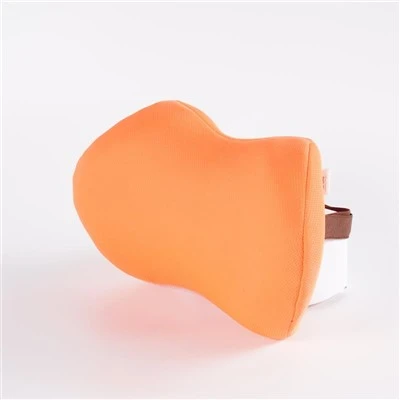
If you’re a business looking to stock memory foam seat cushions for your customers, or an individual looking for a reliable product, we’re here to help. We can walk you through the different options, answer any questions you have about heat retention, and provide samples to test for yourself. Reach out to us to discuss your needs, and we’ll tailor a solution that works for you.
Memory Foam Mattresses References
- Journal of Materials Science: Materials in Engineering. (2021). Thermal Conductivity and Comfort Properties of Common Seat Cushion Materials.
- International Journal of Industrial Ergonomics. (2019). Heat Dissipation and Skin Temperature Changes in Gel-Infused Viscoelastic Foam Cushions.
- CertiPUR-US. (2022). Standards for Low-Emission, Safe Polyurethane Foam Products.
Linyi Lujie International Trade Co., Ltd.
As one of the most professional memory foam seat cushion manufacturers and suppliers in China, we’re featured by quality products and good price. Please rest assured to wholesale bulk durable memory foam seat cushion in stock here from our factory.
Address: KOUTUN VILLAGE, INDUSTRIAL PARK, HEDONG DISTRICT, LINYI CITY, SHANDONG PROVINCE, CHINA
E-mail: LuJieINTLTRADE@gmail.com
WebSite: https://www.ljmemoryfoam.com/
