If you’ve ever shopped for antistatic floor wax, you’ve probably run into a lot of technical specs that feel like they were written for lab scientists, not people who just need a floor that doesn’t shock employees or fry sensitive electronics. One of the most common questions I get from facility managers, warehouse operators, and IT data center leads is: “What’s the pH level of antistatic floor wax?” For years, I’ve answered this in my role as an antistatic floor wax supplier, and I’ve found that the answer isn’t just a number on a data sheet—it’s a critical detail that impacts how well the wax works, how long it lasts, and how safe it is for the spaces we care about most. Today, I want to break this down in plain terms, no jargon required, and explain why pH matters for antistatic floor wax, what you can actually expect from a quality product, and how to pick the right one for your space. Antistatic Floor Wax
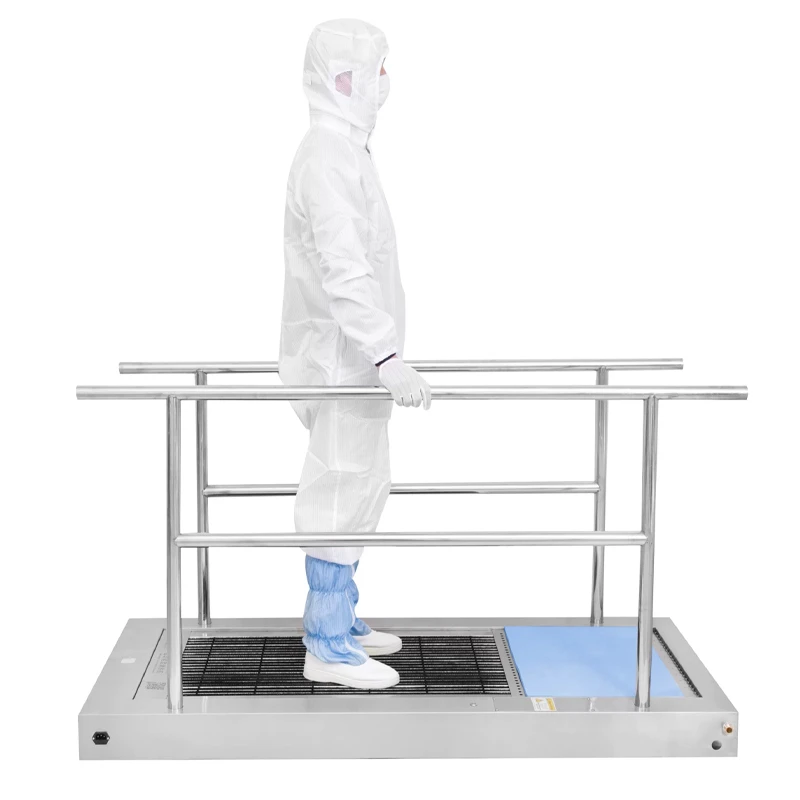
First, let’s start with the basics of what antistatic floor wax is, and why it’s not the same as the wax you use to shine your kitchen linoleum. Antistatic floor wax, often called floor finish in commercial settings, is a specialized polymer-based coating designed for spaces where static electricity is a risk. That includes data centers (where a single static spark can take down servers and erase years of data), manufacturing facilities handling electronics or flammable materials, clean rooms in pharmaceuticals, and even commercial aviation hangars. Unlike regular wax, which just adds shine, antistatic wax includes conductive agents that slowly bleed moisture (or ions) at the surface of the floor, dissipating static charge before it builds up enough to cause damage. If the wax’s chemical balance is off, those conductive agents won’t work properly, and the floor will be no better at preventing static than an untreated concrete or vinyl surface.
Now, pH is a measure of how acidic or basic a solution is, on a scale of 0 to 14, with 7 being neutral. Numbers below 7 are acidic, numbers above 7 are basic (or alkaline). For floor care products, pH is super important because it affects how the product interacts with the floor material, how it applies, how it cures, and how it holds up to foot traffic and cleaning over time. For regular floor wax, the ideal pH usually falls between 8 and 10—mildly alkaline—because this balance helps the polymer particles in the wax spread evenly, stick to the floor, and cure into a hard, durable film that resists scuffs and dirt. But antistatic floor wax is different. It has additional ingredients—those conductive agents I mentioned earlier—whose performance depends heavily on pH. If the wax is too acidic or too alkaline, those conductive agents break down, stop working, and the entire antistatic property of the product is gone.
So, what’s the actual pH level of a high-quality, functional antistatic floor wax? From decades of testing and refining our own products, I can tell you that the sweet spot is a pH of 8.5 to 9.5. Wait, that’s still mildly alkaline—very close to the pH of human blood, actually, which is around 7.4. Let me explain why this specific range is non-negotiable. If the pH drops below 8, the wax becomes too acidic. Acidic conditions break down the conductive polymers that carry static charge away, and they can also etch away at the finish of sensitive floor materials, like polished concrete or some types of vinyl composition tile (VCT). Too acidic, and your floor might look dull, scratch easily, and lose its antistatic properties in just a few months. On the flip side, if the pH goes above 9.5, the wax becomes overly alkaline. High pH breaks down the moisture-retaining components in the conductive agents, which means the surface of the floor won’t hold enough ions to dissipate static. Over time, highly alkaline wax can also leave a hazy residue on the floor that traps dust, and it’s harder to strip and reapply when it’s time for maintenance.
I’ve seen this mistake so many times, by the way. A few years back, we had a client who bought a cheaper antistatic wax from a supplier who didn’t test their pH consistently. They had a data center that was experiencing random server crashes, and after a full audit, we found that the wax they had applied had a pH of 11—way too alkaline. The conductive agents had broken down completely within 6 months, so static was building up on the floor to dangerous levels. That cost them over $200,000 in downtime, lost data, and emergency repairs. It’s a avoidable mistake, and it all boils down to not checking the pH of your wax before you apply it.
Now, let’s talk about how pH affects not just performance, but also safety and maintenance. Antistatic floor wax with a pH in that 8.5 to 9.5 range is not just effective—it’s safe for most common commercial and industrial floor materials. We test all our products on VCT, polished concrete, epoxy, and rubber flooring, and this pH range doesn’t cause discoloration, etching, or degradation, even with regular mopping. For cleaning, this pH is also compatible with neutral to mildly alkaline floor cleaners, which means you don’t have to use specialized, expensive cleaners just to maintain the wax. If your wax was too acidic, you’d need to use mild, non-abrasive cleaners that don’t react with the acid, which adds time and cost to your maintenance routine. Too alkaline, and you need to avoid acidic cleaners that would throw off the wax’s pH balance, limiting your cleaning options.
Another common question I get: “Does the pH change after the wax cures?” That’s a great one, and the answer is no, not significantly. When you apply antistatic floor wax, it’s a liquid that cures into a hard, solid film over 24 to 48 hours. The pH is measured on the liquid product, but once cured, the chemical structure stays stable as long as you don’t use harsh, stripping chemicals that would break it down. That’s why it’s so important to store the liquid product at the correct temperature and away from extreme conditions—if it freezes or gets too hot, the pH can shift before you even apply it, making the wax ineffective.
I should also note that not all antistatic floor waxes are made the same. Some budget products cut corners by using lower-quality conductive agents and don’t control pH during manufacturing, so their pH can swing anywhere from 7 to 12. These products might look like a good deal upfront, but they’ll fail within a year, costing you more in repairs, downtime, and reapplication. That’s why as a supplier, we prioritize consistent pH testing for every batch. We test each production run three times: before mixing, during mixing, and after packaging, to ensure every can of our antistatic floor wax has a pH between 8.5 and 9.5, no exceptions. It’s an extra step that adds a little cost to each unit, but it’s non-negotiable for delivering a product that works when you need it.
Let’s circle back to why this matters for your specific space. If you’re managing a data center, even a small one with 10 servers, static buildup can cause “latent damage”—meaning it doesn’t fry the hardware immediately, but it shortens the lifespan of your servers by 20-30%, adding up to tens of thousands of dollars in replacement costs over time. For electronics manufacturing facilities, a single spark from a floor can ruin a $10,000 circuit board, not to mention pose a fire risk if you’re working with flammable materials like solvents or adhesive fumes. For pharmaceutical clean rooms, static can attract dust particles, contaminating products that need to be sterile. In all these cases, a properly formulated antistatic floor wax with a consistent pH level is a small investment that prevents huge losses.
Now, if you’re wondering how to test the pH of your current wax, it’s simple. You don’t need a lab—just a pool test kit or a pH test strip, which you can buy at any home improvement or janitorial supply store. Dip the strip into a small sample of the liquid wax (make sure it’s undiluted, since most floor waxes are sold concentrated and you mix them with water before use), and compare it to the color chart on the strip. If it’s below 8 or above 9.5, it’s time to reevaluate your product. If you’re not sure how to test, or if you want a second opinion, I’m always happy to help.
At the end of the day, antistatic floor wax is a specialized product, and specs like pH can’t be overlooked. I’ve been in this industry for 15 years, and I’ve seen too many businesses learn the hard way that a cheap, poorly formulated wax with an untested pH level isn’t worth the savings. That’s why our company focuses on making antistatic floor wax that’s consistent, effective, and backed by testing that ensures every batch meets that critical 8.5 to 9.5 pH sweet spot. If you’re shopping for antistatic floor wax, or if you’re dealing with static issues in your space and want to find out if your current wax is the problem, we’re here to help. We can walk you through testing your current product, recommend the right wax for your specific space and floor type, and answer any questions you have about pH, application, and maintenance. Contact us today to discuss your needs and find the right antistatic floor wax solution for your facility.
Non Woven Fabric References
- "Industrial Floor Coatings: Chemistry and Performance." National Paint & Coatings Association, 2019.
- "Static Control for Commercial and Industrial Flooring." Electrostatic Discharge Association (ESDA), 2021.
- "pH Impact on Polymer-Based Floor Finishes." Journal of Floor Maintenance Science, Vol. 12, No. 3, 2020, pp. 45-52.
- "Safe Maintenance Practices for Antistatic Floor Systems." Occupational Safety and Health Administration (OSHA), 2018.
Suzhou DDES Electronics Co., Ltd.
As one of the most professional antistatic floor wax manufacturers in China, we have world-leading production equipment and strong manufacturing capabilities. Please rest assured to wholesale high quality antistatic floor wax at low price from our factory. We also accept customized orders.
Address: No.4, No.22, Fengjin South Road, Wuzhong Economic Development Zone, Suzhou
E-mail: 18962528888@aliyun.com
WebSite: https://www.cleanwipe-chn.com/
