Hey everyone, let’s cut to the chase — if you’re here, chances are you’ve Googled “are sheet metal enclosures waterproof” at least once, maybe while scrambling to pick a casing for your outdoor IoT device, a commercial HVAC unit, or even a boat-side battery bank. As a sheet metal enclosure supplier of 12+ years, I field this question weekly, and the answer’s not as simple as “yes” or “no”. Let’s break this down like we’re at a workbench, no boring white paper jargon. Sheet Metal Enclosures
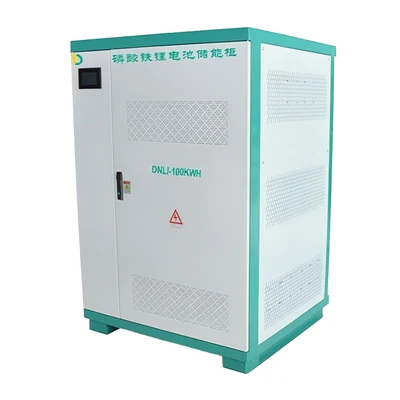
First, let’s clear up a myth right away: bare, uncoated sheet metal — like raw steel or even plain aluminum — is NOT waterproof. Wait, don’t @ me, hear me out. Sheet metal itself is impermeable to water, sure, but every seam, every edge, every tiny hole for screws or cable glands? Those are gaps. And raw metal rusts when it gets wet — we’ve all seen a rusty fence post turn to gunk after a few rain storms. So if you buy a $20 thin-gauge steel enclosure from a random hardware store for your backyard pond sensor, by next spring it’ll be a rusted hunk that doesn’t protect your gear anymore. That’s not waterproof, that’s just metal that doesn’t soak water — but it lets water seep in and eats itself up fast.
Now, the good stuff: most commercial-grade sheet metal enclosures we build are designed to be waterproof — but it’s all in the details. Let’s talk about the two big metals we use, because that’s where most people mix things up. First, cold-rolled steel (CRS): super strong, cheap for thick gauges, but it rusts like crazy. To fix that, we hot-dip galvanize it — coat it with a thick layer of zinc — then add a powder coat finish on top. That double layer seals the gaps, right? Wait, no — the seams still matter. If we just stamp two pieces of zinc-coated steel and bolt them together with regular screws, there’s a tiny gap between the flanges. To fix that, we use gasket material — usually EPDM rubber, since it’s resistant to UV, oil, and temperature swings from -40°F to 180°F (perfect for anywhere from Alaska to Arizona). When you bolt the flange tight, that gasket squishes into every little crevice, so water can’t get through. Also, we don’t use standard off-the-shelf fasteners — we use self-sealing screws with a rubber washer under the head, so even the tiny hole for the screw doesn’t leak. That’s the difference between a “weather-resistant” box and a waterproof one.
Then there’s aluminum. A lot of people ask if aluminum is “naturally waterproof” — and honestly, it’s way better than steel, but still not on its own. Aluminum forms a thin oxide layer when it’s exposed to air, which stops it from rusting, but that layer is super thin, and it scratches or wears off. For enclosures that’ll be outdoors, we anodize aluminum — that thickens the oxide layer, making it harder and more corrosion-resistant. Again, gasket sealing is key here, too. We also use anodized aluminum for enclosures in coastal areas, because salt air eats steel alive — aluminum stands up way better to salt, as long as it’s sealed right.
Now, let’s get into the specs, because if you’re buying enclosures for a job, you can’t just say “waterproof” — you need to know what IP rating means. IP stands for Ingress Protection, and it’s the global standard for how well a casing keeps water and dust out. IP67 is the sweet spot for “waterproof” in most industries: that means it’s dust-tight (no dust can get in) and it can be submerged in up to 1 meter of water for 30 minutes without any water getting inside. IP68 is even tougher — that’s for things that’ll be submerged longer, like underwater sensors or deep-water communications gear. A lot of our standard commercial enclosures are rated IP66, which is resistant to high-pressure jets of water (perfect for power washing HVAC units, by the way) and heavy rain, but if you need submerged, we can spec up to IP68 with additional sealing.
Wait, let’s throw a real example in here. Last year, a customer came to us with a project for offshore wind farm monitoring sensors. They’d bought a cheap plastic enclosure from overseas, and after 6 months, salt water had gotten in and fried $40k worth of sensors. They switched to our 14-gauge hot-dip galvanized steel enclosures, with EPDM gaskets, self-sealing screws, and IP67 rating. Two years later, they call us back to reorder — said not a single leak, even through hurricanes and salt spray. That’s the stuff we’re talking about. The cheap stuff skips the sealing layers and uses thin metal that bends and develops gaps when it’s exposed to temperature changes (metal expands and contracts, right? A tight seam in 80°F might gap a little in winter cold or summer heat — that’s why the gasket is non-negotiable).
But here’s the catch: even a $500 IP67 enclosure won’t be waterproof if you install it wrong. I’ve seen it a hundred times. Someone buys the right enclosure, drills a random hole for a cable without a gland, just shoves the cable in. Boom — leak. Or they tighten the lid screws so loose the gasket doesn’t seal, or so tight they bend the flange and create gaps. Or they mount it right above a downspout, so rain runs straight into the lid seam. So when we work with customers, we don’t just ship the enclosure — we tell them exactly how to prep for it, what glands to use, how tight to torque the screws, where to mount it for best protection. That’s part of what makes us different from the big box stores.
Now, what about exceptions? Let’s say you have a sheet metal enclosure that’s only going to be indoors, in a climate-controlled server room. Do you need it to be waterproof? No — but that doesn’t mean it’s not helpful. A spill from a coffee mug or a leaky pipe above? Our standard indoor enclosures will handle that, no problem. If you’re using it for something that might get splashed, like a food processing machine, we can spec stainless steel enclosures too — they’re more expensive, but they’re resistant to corrosion from cleaning chemicals and water, perfect for that industry.
Wait, let’s address another common question: “Can I make my old sheet metal enclosure waterproof on my own?” Sure, if you don’t mind putting in the work. First, clean the metal really well — no rust, no grease. Then, add a new gasket around the lid or seams — make sure it’s the right thickness for your enclosure. Use self-sealing screws instead of regular ones, and seal the screw holes with silicone caulk if you’re drilling new ones. But if your enclosure has thin, flexible metal that bends, or rust along the seams, you’re better off just buying a new one — the labor to fix it might cost more than a decent enclosure.
So to circle back: are sheet metal enclosures waterproof? The short answer is: the right sheet metal enclosure — spec’d with the right material, coating, sealing, and IP rating, and installed correctly — is totally waterproof. The cheap, uncoated, unsealed ones you see online or at discount stores? No, they’ll leak, rust, and fail fast.
Now, if you’re shopping around for an enclosure, don’t just look at the price tag. Ask for the material, the coating, the gasket material, the IP rating, and what kind of environment it’s made for. If you’re not sure, hit us up — we’ve built enclosures for everything from backyard rain gauges to offshore oil rig equipment, and we can help you pick exactly what you need without overpaying for features you don’t use.

If you’re ready to lock in a quote, just reach out to our team to talk through your project specs, no pressure — we’ll work with you to get an enclosure that’s actually waterproof, not just a fancy label.
Charging Station Cabinets References:
- International Electrotechnical Commission (IEC). IEC 60529: Degrees of protection provided by enclosures (IP Code), 2013.
- American Galvanizers Association. Hot-Dip Galvanizing for Corrosion Protection, 2022.
- Aluminum Anodizers Council. Anodizing of Aluminum for Industrial Applications, 2021.
- National Electrical Manufacturers Association (NEMA). Standards for Enclosures for Electrical Equipment, 2020.
Zhejiang Litu Precision Technology Co., Ltd.
As one of the most professional sheet metal enclosures manufacturers and suppliers in China, we also support customized service. Please feel free to wholesale advanced sheet metal enclosures in stock here from our factory. Welcome to contact us for quotation.
Address: No.100 Jinkai Road, Binhai Industrial Zone, Dongchen Township, Xiangshan County, Ningbo City, Zhejiang Province
E-mail: yuleiting@zjltjm.com
WebSite: https://www.lituprecision.com/
