If you’ve ever stood in a mining mill control room, watching a 20-foot steel liner rotate and cascade thousands of pounds of small balls or rods against ore the size of gravel, you know grinding media isn’t just “little balls you drop in a mill.” As someone who’s spent 12 years selling grinding media to mine operators across North and South America, I’ve seen mistakes that cost teams millions in lost production, unnecessary downtime, and even safety incidents—all because they picked the wrong media. I’m writing this to walk you through how to select the right media for your operation, not just as a sales rep, but as someone who’s sat across from mill superintendents at 7 a.m. in a dusty Chilean copper mine, troubleshooting a media that wore out too fast. Grinding Media
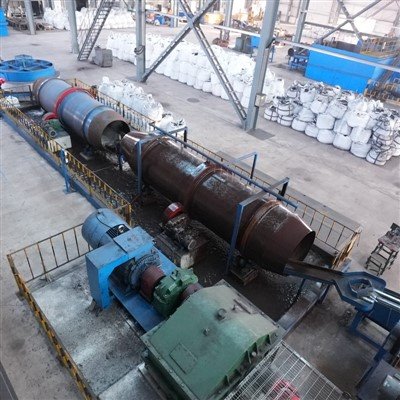
First, let’s start with the basics that most new mine operators (or even veteran ones switching to a new ore body) skip: your grinding goal isn’t just to make fine powder—it’s to make the right powder, at the lowest cost per ton of ore processed, without shortening your mill liner life or causing unplanned shutdowns. Grinding media is 10-20% of a mine’s total milling cost, so cutting corners here doesn’t save money—it wastes it. I once worked with a gold mine in Nevada that bought cheap, low-carbon cast balls to cut costs, only to have 15% of the balls breaking mid-cycle, which made the mill vibration spike so high they had to shut down for 4 hours to clean broken debris out of the discharge grid. The “savings” from the cheap balls was eaten by lost gold production, repair costs, and overtime in one single day. That’s the kind of story that sticks with you.
So, step one: Map your ore’s physical and chemical properties before you even look at media options. This isn’t a guess—this is lab work. First, get a work index test (Bond Work Index, that’s the industry standard) which tells you how hard your ore is to grind. A hard, dense iron ore will need a much tougher media than a soft, porous limestone. But here’s the trick most geologists forget: chemical makeup matters more than hardness. If your ore has high levels of silica, or sulfide minerals like pyrite, or even clay, that reacts with your media to cause abrasive wear or corrosive wear. I had a client in Peru with a copper ore that had 8% pyrite in it. They started with regular forged steel balls, and in 3 months, their media wear rate was 1200 grams per ton of ore—way above the average of 600. Why? The pyrite caused galvanic corrosion with the steel balls, making them wear 2x faster. Swapping to a high-chrome cast iron ball with a corrosion-resistant outer layer dropped their wear rate to 550 grams per ton, saving them $1.2 million a year just on media costs, not to mention consistent mill throughput.
Next, choose between the two main media types for mining: balls and rods. Rod media is for primary grinding—when you’re taking run-of-mine ore (10-30 cm in size) down to 1-2 mm. Balls are for secondary and fine grinding, taking that 1-2 mm product down to 75 microns or smaller, which is what you need for flotation, leaching, or other mineral separation processes. The rule of thumb for rods: they need to be about 1.25x larger than the maximum feed size of your primary mill. For example, if your primary mill feeds ore up to 20 cm, your rod diameter should be 25 cm. If you go too big, you’ll over-grind the top of the ore and waste energy; too small, and you won’t break the coarse ore at all, leading to under-sized product. For balls, it’s a bit more complex: you need a ball charge that’s a mix of sizes, not just one diameter. Coarse balls for breaking big ore, medium for intermediate, small for fine grinding. I worked with an iron ore mine in Minnesota that was using only 100 mm balls in their secondary mill. Their product had too much oversize material (15% of the feed wasn’t ground to the required 100 microns), so they added 70 mm and 40 mm balls in a 50-30-20 ratio. That cut their oversize to 3% and increased their mill throughput by 8%, because the smaller balls filled the gaps between the larger ones, catching fine ore and not wasting energy bouncing off empty space.
Once you’ve picked the type (rod vs ball) and size, it’s time to pick the material. This is where 90% of the media selection mistakes happen. The main materials are forged steel, high-chrome cast iron, low-chrome cast iron, and even ceramic or silicon carbide for very fine grinding (though that’s less common in large mining mills). Let’s break them down, with real world examples. Forged steel is the workhorse—it’s tough, resistant to impact, and cheaper than high-chrome. It’s ideal for mines with low-abrasion, low-corrosion ore, like some gold or silver mines in dry regions. But it has higher wear rates than high-chrome, so it’s not good for ore with high silica or sulfides. High-chrome cast iron (usually 15-25% chrome) is harder, more abrasion-resistant, and handles corrosion better. It’s the go-to for copper, iron, and gold mines with abrasive ore. The tradeoff? It’s more brittle than forged steel, so it can break if there’s a sudden surge of oversized ore (like if a piece of steel liner breaks and falls into the mill, or a large rock is dumped in by mistake). That’s why I always tell clients: run a small trial first. Bring 10 tons of high-chrome balls and 10 tons of forged balls to test in your mill for 2 weeks. Don’t just look at wear rate—look at ball breakage, product size distribution, and overall mill throughput. I had a client in Arizona that wanted to switch to high-chrome to cut wear, but their mill had a history of tramp metal getting into the feed. Their trial had a 3% breakage rate on high-chrome, which wiped out the wear savings. We went back to forged steel, adjusted the feed screening to remove tramp metal, and got a 10% wear reduction without the breakage issue. Low-chrome is a middle ground: cheaper than high-chrome, better wear than forged, but worse corrosion resistance. It’s good for mines with moderately abrasive, low-corrosion ore where cost is the top priority, but I warn clients not to push it too hard. I once had a mine in Mexico that switched to low-chrome to save 10% on media costs, and after 6 months, their mill liners wore out 20% faster because the low-chrome media created extra vibration that wore the liners. That cost them more than the media savings.
Another factor most operators overlook: mill speed and charge loading. If your mill runs at a higher speed, you need a harder media, because the balls hit the liner and ore with more force. If you load too much media (more than 40% of the mill’s internal volume), the balls can’t cascade properly, leading to more wear from friction, not impact. I worked with a cement plant that also mined limestone, and their mill was running 10% faster than the original design to boost throughput. They were using forged steel balls, but they kept having balls breaking and high wear. We adjusted the media to high-chrome, increased the small ball size ratio, and reduced the charge loading by 2% to match the mill’s higher speed. That cut their breakage rate to zero and wear rate by 18%, without losing any throughput.
Don’t forget about safety and environmental regulations. Many mines are switching to low-carbon media to meet carbon neutrality targets. Forged steel can be made with recycled scrap, which has a lower carbon footprint than high-chrome, which requires more energy to melt. Also, some regions have strict limits on heavy metal leaching from media. High-chrome media has low leaching rates, but you have to make sure it meets local environmental standards. I had a client in Canada that had to switch from a local media supplier (which used lower-grade chrome that leached small amounts of hexavalent chromium) to our high-purity high-chrome media to meet federal environmental rules. The supplier they were using was cheaper, but they faced a $2 million fine and had to shut down their discharge pond for 3 months. That’s a non-negotiable factor.
Now, what about when you’re switching media suppliers? I’ve seen operators switch because a sales rep offers a 5% discount, only to find out the media is made with lower-quality raw material, so the wear rate is actually 10% higher. A good supplier doesn’t just sell you media—they provide support: lab testing of your ore, trial programs, on-site audits of your mill operation, and data tracking to help you optimize your media charge. When I meet a new client, the first thing I don’t do is pitch my media. I ask them: what’s your current wear rate? What’s your mill throughput? What’s your ore’s silica or sulfide content? What’s your biggest pain point—too many broken balls, too much oversize product, high liner wear? Then we work together to find the right fit, not just what makes the most money for my company. I’ve turned down sales when I knew a client’s operation would be better off with a slightly more expensive media that gave them lower overall cost per ton, instead of cutting corners on a cheaper one.
Let’s wrap this up with a quick checklist, so you don’t forget the critical steps: 1. Test your ore’s work index, abrasion index, and chemical makeup (silica, sulfide content) before selecting media. 2. Choose between rod (primary grinding) and ball (secondary/fine grinding) media based on your feed size and product goal. 3. Size your media to match your mill feed and desired product size—always use a mix of ball sizes, not just one diameter. 4. Select media material based on your ore’s abrasion/corrosion, mill speed, and tramp metal risk (for impact resistance). 5. Run a 2-week trial with both your current media and a candidate media to compare wear rate, breakage, throughput, and product quality. 6. Factor in safety, environmental regulations, and overall cost per ton of ore processed, not just upfront media cost. 7. Partner with a supplier that offers on-site support and data tracking, not just a one-time sale.
At the end of the day, grinding media is the unsung hero of every mining operation. It doesn’t get the same fanfare as new mill liners or flotation cells, but it’s responsible for how much ore you can process, how much metal you recover, and how much money you make. I’ve been in this business long enough to know that the best selection isn’t about the shiniest ball or the lowest price—it’s about matching your media to your specific operation, so you can run your mill smoothly, avoid unplanned downtime, and maximize your recovery.

If you’re dealing with high media wear, broken balls, inconsistent product size, or just want to optimize your grinding operation to cut costs and boost throughput, reach out to discuss your needs. I’m here to help you sort through the options, run trials, and find the grinding media that works for your mine, not just for my sales targets.
Grinding Media References:
- Napier-Munn, T. J., Morrell, S., Morrison, R. D., & Kojovic, T. (1996). Mineral Comminution Circuits: Their Operation and Optimisation. Julius Kruttschnitt Mineral Research Centre.
- Bond, F. C. (1961). Crushing and Grinding Calculations. British Chemical Engineering.
- Wills, B. A., & Finch, J. A. (2016). Wills’ Mineral Processing Technology: An Introduction to the Practical Aspects of Ore Treatment and Mineral Recovery. Elsevier.
Shenyang Muren Machinery Co., Ltd.
As one of the most professional grinding media manufacturers and suppliers in China, we’re featured by quality products and good price. Please rest assured to wholesale durable grinding media from our factory. We also accept customized orders.
Address: No.16 Nansan Road, Shenyang Jinhai Economic Zone, Liaoning Province, China
E-mail: mulunjixie@163.com
WebSite: https://www.symurens.com/
