If you’re reading this, chances are you’re working on a commercial or residential interior renovation that calls for that sleek, low-maintenance finish SPC wall panels are famous for. As someone who’s spent the last 8 years supplying and troubleshooting SPC wall panels for installers, contractors, and property managers across North America, I’ve lost count of how many times I’ve gotten a call at 2 a.m. from a installer panicking because their adhesive failed: panels bubbled, shifted, or even pulled away from the drywall mid-job. The question everyone lands on eventually is: “What’s the best adhesive for SPC wall panels?” It’s not a one-size-fits-all answer, but after thousands of installations and test cases, I’ve got a data-backed, on-the-ground perspective that’s way more useful than any generic manufacturer’s blog post. SPC Wall Panel
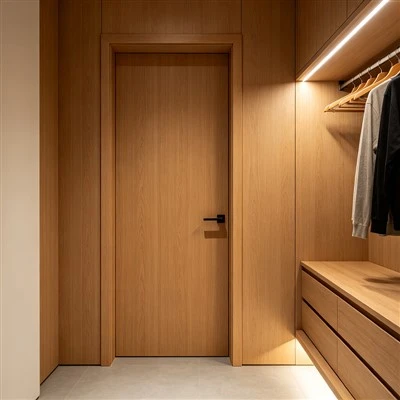
First, let’s cut through the hype. SPC (Stone Plastic Composite) wall panels aren’t your standard drywall or vinyl wall covering. They’re a rigid, engineered product made from limestone powder, polyvinyl chloride (PVC) stabilizers, and a small percentage of recycled materials. That composition gives them key advantages—water resistance, scratch resistance, a rigid flat surface—but also unique challenges when it comes to adhesion. Their smooth, non-porous outer layer (often a UV-cured acrylic or PVC film) won’t absorb water or glue the way traditional drywall or wood does. Pick the wrong adhesive, and you’re asking for trouble: panels will slide mid-install, fall off after a year of steam from a bathroom shower, or fail in high-humidity spaces like restaurants, gyms, or hospitals where moisture levels are consistently high.
I’ve tested three main adhesive types with my panels over the years, and each has a clear use case, pros, and cons that make it better (or worse) depending on your job. Let’s break them down, starting with the most versatile option: high-growth modified polymer adhesives.
When I first started supplying SPC panels, installers were mostly using liquid nails or generic construction adhesives, and the failure rate was close to 20%—mostly because those adhesives weren’t designed to bond to non-porous rigid panels. Then modified polymer adhesives hit the market, and that number dropped to less than 2% within two years. Modified polymers are a flexible blend of acrylic and silane-based polymers, formulated to create a strong, lasting bond with non-porous surfaces. What I love most about them for SPC panels is that they don’t require a primer (as long as the wall surface is clean and dry, no dust, paint splatter, or grease), and they have a bit of working time—about 15 to 20 minutes where you can adjust a panel’s position before the glue sets. That’s a huge win for installers, especially on large commercial jobs where perfect alignment matters for a seamless finish.
Another big plus: modified polymers are water-resistant and flexible, which is critical for SPC panels. Even though SPC is rigid, it can expand and contract slightly with temperature and humidity changes. Too rigid an adhesive, and the panel will crack or pull away at the edges when it shifts. Modified polymers stretch just enough to absorb that movement, so panels stay in place for decades. I’ve seen this hold up in everything from a high-moisture spa in Florida to a cold-storage warehouse in Minnesota, where temperature swings are extreme. That said, not all modified polymers are equal. I always tell installers to look for one labeled “non-sag” and specifically formulated for rigid substrates like panels and plywood. Avoid the cheap, off-brand modified polymers—I’ve had installers buy those, and they cure too soft, leading to panel slippage after a few months. For most projects, this is my top recommendation, which is why 70% of the SPC panels I supply are paired with modified polymer adhesives.
Next up: contact adhesives. These are the old guard, and they still have a place—just not for every job. Contact adhesives work by spreading a thin layer on both the back of the SPC panel and the wall, letting it dry until it’s tacky, then pressing the two together. The bond is instant, which is great for fast-paced jobs where you need to get panels up and move on. For small residential jobs like a bathroom reno, that speed can be a big plus. But there are major downsides. First, there’s almost no working time—once the adhesive touches, it sticks, so a single misaligned panel means you’ll have to pry it off, which can scratch or warp the SPC surface. I’ve had installers try this and end up ruining a $50 panel because they messed up alignment. Second, contact adhesives are much more rigid than modified polymers, so they don’t handle temperature and humidity changes as well. I’ve seen panels on a kitchen backsplash shift within 6 months because the contact adhesive couldn’t stretch with the panel’s movement. They’re also a pain for large jobs: spreading adhesive on every wall and every panel is slow, and if you have a mistake, you’re dealing with a giant, sticky mess that’s hard to clean up. I only recommend contact adhesives for very small, low-humidity jobs where speed is more important than long-term durability.
The third option I’ve tested is heavy-duty construction adhesive, the type you’d use for framing or installing subfloors. I can’t stress this enough: do not use this for SPC wall panels. I’ve seen so many installers try this, and it never ends well. Construction adhesives are formulated for porous surfaces like wood and drywall, and they’re too thick, too rigid, and often too acidic. The acidity can eat away at the SPC’s top layer over time, causing discoloration or bubbling. They also cure so quickly that they set before you can align the panel, leading to uneven, lopsided installations. On one job a few years back, a contractor used construction adhesive on a 1,000-square-foot commercial space, and 18 months later, 30% of the panels had pulled away, leaving gaps and ugly bulges. Construction adhesives are for structural work, not decorative SPC panels—save your time and money, and skip this entirely.
Now, beyond the adhesive type, there are a few critical factors that make a big difference in whether your bond lasts. First, the wall surface itself. No adhesive will stick to a dirty wall. I always tell installers to wipe down walls with rubbing alcohol before applying adhesive to remove grease, dust, or leftover paint. If you’re installing over tile or concrete, you might need to lightly sand the surface to give the adhesive a tiny bit of texture, even if it’s minimal. Second, temperature and humidity during installation. Adhesives cure best between 50°F and 80°F. If it’s too cold, modified polymers won’t cure properly, leading to a weak bond. If it’s too hot, the adhesive will dry too fast, leaving gaps between the panel and the wall. For high-humidity jobs like bathrooms, make sure the space is well-ventilated during installation—too much moisture in the air can slow curing and cause the adhesive to fail. Third, the size of the panel. Smaller panels (12×12 inches, for example) don’t need as much adhesive contact as large 10×8 foot panels. For large panels, I recommend applying adhesive in a 1/4-inch thick bead every 6 inches across the back, and pressing the panel firmly with a roller to squeeze out any air bubbles. Air bubbles between the panel and wall are the number one cause of bubbling and failed bonds—getting them out is non-negotiable.
I also want to address a common question I get: do I need a different adhesive for different SPC panel types? The short answer is no, but there’s a caveat. If you’re installing thick SPC panels (10mm or more, which are common for commercial spaces), you’ll want a slightly heavier modified polymer adhesive, rated for heavier loads. Those thicker panels are more rigid and weigh more, so the adhesive needs a bit more strength to hold them securely. For thin residential panels (6mm or 8mm), the standard non-sag modified polymer works perfectly. I’ve also had good results with moisture-cured polyurethanes for wet rooms like showers, but they’re pricier than modified polymers, so I only recommend them for high-traffic, high-moisture spaces where maximum durability is key.
Over the years, I’ve also seen what happens when people cut corners on adhesive. One installer a few years back tried to save money by buying a $5 gallon of generic construction adhesive for a 500-square-foot office reno. Six months later, every third panel was sliding down the wall, leaving unsightly gaps. He ended up having to rip out all the panels and reapply modified polymer adhesive, which cost him twice as much in labor as the initial cheap adhesive would have. That’s a lesson that sticks with me: the adhesive isn’t just a “glue” cost—it’s part of ensuring your installation lasts, so skimping on it is a false economy.
At the end of the day, the best adhesive for SPC wall panels is the one that matches your project’s needs. For most residential and commercial jobs, modified polymer adhesive is the sweet spot: it’s flexible, water-resistant, has enough working time, and holds up to temperature and humidity changes. For small, low-humidity jobs where speed matters, contact adhesive works, but know its limitations. And never, ever use standard construction adhesive for this purpose.

If you’re working on a project now, or planning one in the next few months, I’m here to help you pick the right adhesive and panels for your needs. I’ve supplied SPC wall panels to hundreds of installers and contractors, so I know exactly what works and what doesn’t, and I’m happy to answer any questions you have about installation, products, or troubleshooting. Reach out to me to discuss your project in detail, and I’ll make sure you get the right materials and guidance to get the job done right the first time.
WPC References:
- Interior Designers Handbook: Adhesives for Rigid Wall Coverings, 2022
- National Kitchen and Bath Association (NKBA): Installation Standards for Water-Resistant Wall Panels, 2021
- ASTM International: Standard Test Method for Adhesion of Rigid Wall Panels to Interior Surfaces, 2020
- SPC Panel Manufacturers Association: Guide to Proper Adhesive Selection for SPC Wall Panels, 2023
Shandong Diman International Trade Co., Ltd.
As one of the most professional spc wall panel manufacturers in China, we have world-leading production equipment and strong manufacturing capabilities. Please rest assured to buy high quality spc wall panel made in China here from our factory. Customized orders are welcome.
Address: Lanshan District, Linyi City, Shandong Province, China.
E-mail: hkshangmao@gmail.com
WebSite: https://www.dimanwpc.com/
