Hey there! I’m a supplier of copper busbars, and I’ve been in this game for quite a while. Over the years, I’ve learned a thing or two about the industry standards for copper busbars. So, I thought I’d share some insights with you. Copper Busbar
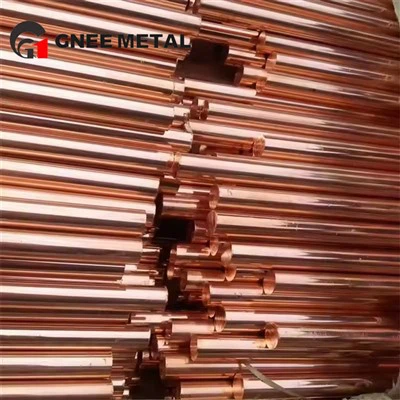
First off, let’s talk about what copper busbars are. In simple terms, copper busbars are strips or bars of copper that are used to conduct electricity within electrical switchgear, distribution boards, and other electrical equipment. They’re like the highways of an electrical system, carrying large amounts of current from one place to another.
Now, onto the industry standards. One of the most important standards is the material quality. Copper is the go – to material for busbars because of its excellent electrical conductivity, high thermal conductivity, and good corrosion resistance. The standard grade of copper used in busbars is usually electrolytic tough – pitch (ETP) copper. It has a minimum copper content of 99.9%. This high purity ensures that the busbar can conduct electricity efficiently with minimal power loss.
The shape and size of copper busbars also follow certain standards. Busbars come in various shapes, such as rectangular, square, and circular. The rectangular shape is the most common one. The dimensions of the busbars are crucial as they determine the current – carrying capacity. For example, a thicker and wider busbar can carry more current than a thinner and narrower one. There are standard tables available that specify the current – carrying capacity based on the cross – sectional area of the busbar.
In terms of surface finish, it’s essential that the busbars have a smooth and clean surface. Any rough spots or imperfections can cause localized heating and increase the resistance, which is a big no – no in an electrical system. A smooth surface also helps in better connection and contact with other electrical components. Many manufacturers, including us, use a polishing process to ensure the busbars have a high – quality surface finish.
Another critical aspect is the mechanical properties. Copper busbars need to be strong enough to withstand mechanical stress and vibrations. They should be able to resist bending and breaking under normal operating conditions. That’s why standards define the minimum tensile strength and elongation requirements for copper busbars. For example, the tensile strength of ETP copper busbars is typically around 200 – 250 MPa.
When it comes to electrical insulation, depending on the application, busbars may need to be insulated. The insulation materials should meet certain fire – safety and electrical performance standards. Some common insulation materials include PVC, rubber, and mica. The insulation thickness also has to be within the specified range to ensure proper insulation and protection.
Let’s discuss the finishes and coatings. In some cases, copper busbars are coated to prevent oxidation and improve their corrosion resistance. Tin – plating is a very popular coating. It forms a protective layer on the copper surface and also provides a better contact surface for electrical connections. Nickel – plating is another option, especially in applications where high – temperature resistance is required.
Now, how do these standards affect you as a buyer? Well, adhering to industry standards is not just a technicality. It’s about ensuring the safety and reliability of your electrical systems. When you buy copper busbars that meet the standards, you can be confident that they’ll perform well, last longer, and reduce the risk of electrical failures or accidents.
As a supplier, we take these standards very seriously. We’ve invested in high – quality production equipment and experienced technicians to ensure that our copper busbars meet or even exceed the industry standards. We test every batch of busbars for electrical conductivity, mechanical strength, and other key parameters before they leave our factory.
We also offer customized solutions. Sometimes, standard busbars may not fit your specific requirements. That’s where our expertise comes in. We can work with you to design and manufacture copper busbars that are tailored to your needs. Whether you need a special shape, size, or coating, we’ve got the skills and resources to make it happen.
If you’re in the market for copper busbars, don’t just settle for any supplier. Look for one who understands the industry standards and is committed to quality. And that’s where we come in. We’re dedicated to providing you with the best – quality copper busbars at competitive prices.
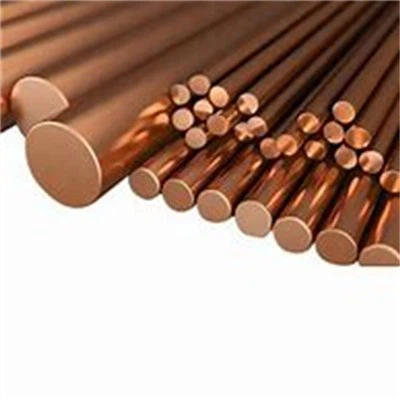
So, if you’re interested in learning more about our copper busbars or have a project that needs custom – made busbars, don’t hesitate to reach out. We’re always happy to have a chat, answer your questions, and provide you with a free quote. Let’s work together to ensure that your electrical systems run smoothly and safely.
Copper Pipe References
- Electrical Power Systems Handbook
- Copper Development Association Publications
- National Electrical Code (NEC)
- International Electrotechnical Commission (IEC) Standards
Gnee Steel (Tianjin) Co., Ltd.
Address: No.4-1114, Beichen Building, Beicang Town, Beichen District, Tianjin, China
E-mail: sales@gneemetal.com
WebSite: https://www.chinacopperalloys.com/
