Maintaining a ceramic valve is crucial for its longevity, performance, and efficiency. As a leading ceramic valve supplier, I have witnessed firsthand the impact proper maintenance can have on these high – performance components. In this blog, I’ll share valuable insights on how to maintain ceramic valves effectively. Ceramic Valve
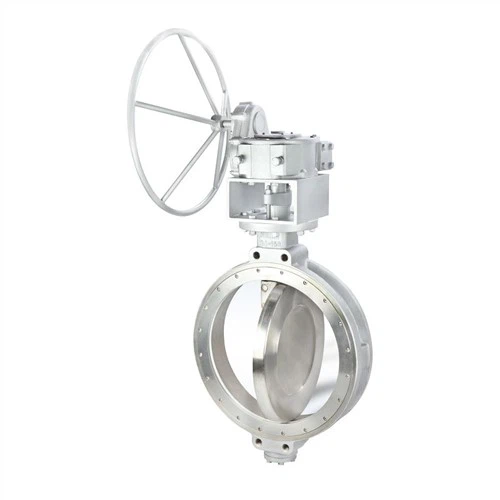
Understanding Ceramic Valves
Before delving into maintenance procedures, it’s essential to understand what makes ceramic valves unique. Ceramic valves are known for their exceptional hardness, corrosion resistance, and wear resistance. The ceramic materials used in these valves, such as alumina (Al₂O₃), zirconia (ZrO₂), and silicon carbide (SiC), can withstand harsh chemical environments, high – temperature conditions, and abrasive media, which makes them ideal for a wide range of industrial applications including chemical processing, power generation, and mining.
Inspection and Monitoring
Regular inspection is the first step in maintaining ceramic valves. Establishing a routine inspection schedule helps identify potential issues before they become major problems.
Visual Inspection
- External Appearance: Check for any signs of damage, such as cracks, chips, or scratches on the valve body and the actuator. These can compromise the integrity of the valve and lead to leaks or malfunction.
- Mounting and Installation: Ensure that the valve is correctly mounted and installed. Loose connections can cause vibration, which may further damage the ceramic components. Check the bolts, nuts, and gaskets for tightness and any signs of wear or corrosion.
Performance Monitoring
- Flow and Pressure: Monitor the flow rate and pressure of the fluid passing through the valve. Any significant changes in these parameters may indicate a problem with the valve, such as blockage, wear, or misalignment.
- Actuation: Observe the operation of the valve actuator. Ensure that it responds promptly to control signals and that the valve opens and closes smoothly. Erratic actuation can be a sign of internal damage or problems with the control system.
Cleaning and Lubrication
Proper cleaning and lubrication are essential for maintaining the performance of ceramic valves.
Cleaning
- Regular Flushing: Flush the valve with a compatible cleaning fluid regularly to remove any debris, sediment, or chemical deposits that may accumulate inside the valve. This is especially important in applications where the fluid contains abrasive particles or sticky substances.
- Chemical Cleaning: For stubborn deposits, use a mild chemical cleaner that is compatible with the ceramic material. Avoid using harsh chemicals that can corrode or damage the ceramic surface. After chemical cleaning, thoroughly rinse the valve with water to remove any remaining cleaner.
Lubrication
- Selecting the Right Lubricant: Use a high – quality lubricant that is specifically designed for ceramic valves. The lubricant should be compatible with the ceramic material and the fluid being handled. It should also have good anti – wear and corrosion – resistant properties.
- Lubrication Points: Lubricate the moving parts of the valve, such as the stem, ball, and seat, according to the manufacturer’s recommendations. Over – lubrication can attract dirt and debris, while under – lubrication can cause excessive wear and friction.
Handling and Storage
Proper handling and storage of ceramic valves are crucial to prevent damage.
Handling
- Avoiding Impact: Ceramic is a brittle material, so it’s important to handle the valve with care to avoid any impact or shock. When transporting or installing the valve, use appropriate lifting equipment and techniques to prevent dropping or hitting the valve.
- Proper Alignment: Ensure that the valve is properly aligned during installation to prevent stress and misalignment, which can lead to premature failure.
Storage
- Dry and Clean Environment: Store the valves in a dry, clean environment to prevent corrosion and contamination. Avoid storing the valves in areas with high humidity or exposure to chemicals.
- Protection: Protect the valves from scratches and damage by storing them in a padded container or wrapping them with a soft material.
Maintenance of Valve Seals and Gaskets
Valve seals and gaskets play a critical role in preventing leaks.
Seal Inspection
- Regular Checks: Inspect the seals and gaskets regularly for signs of wear, aging, or damage. Look for cracks, deformation, or loss of elasticity, which can indicate that the seal needs to be replaced.
- Compatibility: Ensure that the seals and gaskets are made of a material that is compatible with the fluid and operating conditions of the valve. Using the wrong seal material can lead to leaks and premature failure.
Replacement
- Timely Replacement: Replace the seals and gaskets as soon as they show signs of wear or damage. Follow the manufacturer’s instructions for proper installation to ensure a proper seal.
Training and Documentation
Proper training and documentation are essential for effective valve maintenance.
Training
- Operator Training: Provide training to the valve operators on the proper operation, maintenance, and inspection procedures. Well – trained operators can identify potential problems early and take appropriate action to prevent major breakdowns.
- Maintenance Training: Train the maintenance personnel on the specific maintenance requirements of ceramic valves. They should be familiar with the disassembly, cleaning, and reassembly procedures, as well as the use of the appropriate tools and equipment.
Documentation
- Maintenance Records: Keep detailed maintenance records for each valve, including the inspection dates, maintenance activities performed, replacement parts used, and any problems encountered. These records can help track the performance of the valve over time and identify trends or recurring issues.
- Technical Manuals: Provide access to the valve’s technical manuals and operating instructions. These documents contain valuable information on the valve’s specifications, installation requirements, and maintenance procedures.
Importance of Maintenance in Extended Valve Life
Regular maintenance not only ensures the proper functioning of ceramic valves but also extends their service life. By identifying and addressing potential issues early, you can prevent costly repairs and replacements. A well – maintained ceramic valve can provide reliable performance for many years, reducing downtime and increasing productivity.
Conclusion

Maintaining ceramic valves requires a combination of regular inspection, proper cleaning and lubrication, careful handling and storage, and attention to the valve seals and gaskets. As a ceramic valve supplier, I am committed to providing high – quality products and valuable support to help our customers maintain their valves effectively.
Check Valve If you’re looking for reliable ceramic valves or need more information on valve maintenance, don’t hesitate to contact us for procurement and in – depth discussions. We have a wide range of ceramic valves suitable for various applications and can offer customized solutions to meet your specific needs.
References
- ASM Handbook Volume 4: Heat Treating. ASM International.
- Perry, R.H., & Green, D.W. (1997). Perry’s Chemical Engineers’ Handbook. McGraw – Hill.
- Valve Handbook, 4th Edition. Kent M. Anderson.
Zhejiang Sunawei Valve Co., Ltd.
As one of the most professional ceramic valve manufacturers and suppliers in China, we offer a wide range of valves with superior quality. Please feel free to wholesale high quality ceramic valve at competitive price from our factory. We also accept customized orders.
Address: Anfeng Industrial, Oubei Town, Wenzhou City, Zhejiang, China
E-mail: snv@sunawevalve.com
WebSite: https://www.sunay-valves.com/
