Do solid tires require maintenance?
As a solid tire supplier deeply immersed in the industry, I’ve received numerous inquiries about the maintenance requirements of solid tires. It’s a question that many customers, from small – scale retailers to large – scale industrial operators, often ask. In this blog, I aim to explore this topic comprehensively, sharing in – depth insights based on my years of experience. Solid Tire
Understanding Solid Tires
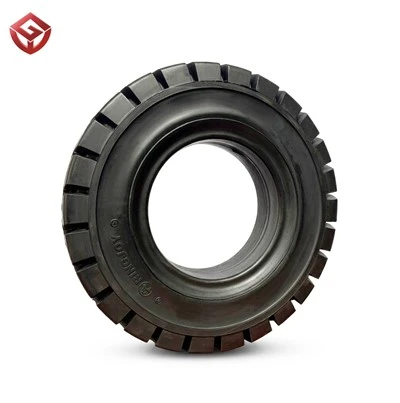
Solid tires, unlike pneumatic tires filled with air, are made entirely of rubber or a combination of rubber and other materials. They are popular in a wide range of applications, such as forklifts, golf carts, and some small industrial vehicles. Their design eliminates the risk of flats, which is a significant advantage in environments where punctures are common, like construction sites or warehouses with sharp debris.
One of the primary benefits of solid tires is their durability. They are engineered to withstand heavy loads and harsh working conditions. This robustness is why they are a go – to choice for many businesses that require reliable and long – lasting tires. However, the fact that they are durable doesn’t necessarily mean they are maintenance – free.
Routine Checks
Just like any other industrial equipment, solid tires need routine checks. The first aspect to examine is the tread. The tread on a solid tire provides the necessary traction for the vehicle. Over time, normal wear and tear can reduce the depth of the tread. A simple way to check the tread depth is by using a tread depth gauge. If the tread depth falls below the recommended level, it can significantly affect the tire’s performance, especially in wet or slippery conditions.
Another important part of the routine check is to look for any visible signs of damage. This includes cracks, cuts, or chunks missing from the tire. These damages can occur due to various reasons, such as contact with sharp objects, excessive heat, or improper installation. Even small cracks can grow over time and lead to more severe problems, including tire failure. If you notice any damage, it’s crucial to assess whether it can be repaired or if the tire needs to be replaced.
Cleaning and Debris Removal
Cleaning solid tires is also an essential part of tire maintenance. Dirt, grime, and debris can accumulate on the surface of the tires. This not only makes the tires look dirty but can also cause long – term damage. For example, if abrasive materials get stuck in the tread, they can gradually wear down the rubber.
To clean solid tires, a mild soap and water solution can be used. Soft – bristle brushes are ideal for scrubbing the tread and removing any stubborn dirt. After cleaning, it’s important to rinse the tires thoroughly to ensure that no soap residue is left behind. Soap residue can attract more dirt and also potentially damage the rubber over time.
In addition to regular cleaning, it’s necessary to remove any debris that gets embedded in the tire. This could be nails, glass fragments, or small stones. Failure to remove these can lead to further damage, such as accelerating the formation of cracks or causing uneven wear.
Proper Installation and Inflation (in a Different Sense)
Proper installation is also part of the maintenance equation. Although solid tires don’t have air pressure in the traditional sense, they still need to be installed correctly on the wheel. Incorrect installation can lead to uneven wear, vibration, and reduced tire life. It’s essential to follow the manufacturer’s installation guidelines carefully.
Some solid tires are designed to be press – fit onto the wheel, while others may require special mounting tools. Ensuring that the tire is centered on the wheel and that all fasteners are tightened to the correct torque is crucial. If the installation is not done properly, it can cause premature tire failure and potentially compromise the safety of the vehicle.
Storing Solid Tires
If you have extra solid tires in storage, proper storage is a form of maintenance. Tires should be stored in a cool, dry, and dark place. Exposure to sunlight, heat, and humidity can cause the rubber to degrade over time. Tires should be stored away from chemicals and oils, as these substances can react with the rubber and cause damage.
When stacking solid tires for storage, it’s important to do so carefully to avoid any deformation. Over – stacking or placing heavy objects on top of the tires can cause them to lose their shape, which will affect their performance when they are eventually used.
Frequency of Maintenance
The frequency of solid tire maintenance depends on several factors, such as the type of application, the operating environment, and the load on the tires. In high – traffic industrial environments, routine checks may need to be carried out weekly or even daily. In less demanding applications, monthly checks may be sufficient.
Regular maintenance not only extends the life of the solid tires but also helps to ensure the safety and efficiency of the vehicles using them. It can prevent unexpected tire failures, which can lead to costly downtime and potentially dangerous situations.
Cost – Benefit Analysis of Maintenance
Some customers may wonder if the cost of maintaining solid tires is worth it. In fact, the cost of regular maintenance is far less than the cost of replacing tires prematurely. By investing in proper maintenance, businesses can ensure that their solid tires last for their intended lifespan, providing long – term savings.
Well – maintained solid tires also perform better. They offer consistent traction, reducing the risk of accidents and improving the overall performance of the vehicle. This can lead to increased productivity and a more efficient operation.
Conclusion
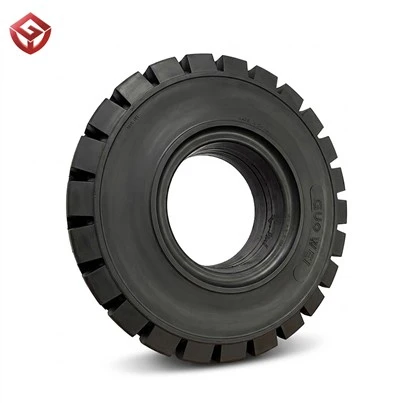
In conclusion, solid tires do require maintenance. While they are more durable and less prone to flats compared to pneumatic tires, routine checks, cleaning, proper installation, and correct storage are all essential aspects of keeping them in good condition. By understanding and implementing these maintenance practices, businesses can maximize the lifespan and performance of their solid tires.
Solid Tire If you are interested in purchasing high – quality solid tires or have further questions about their maintenance, I encourage you to reach out. Our team of experts is always ready to provide you with the best solutions for your specific needs. Let’s start a conversation about how our solid tires can enhance your operations.
References
- Tire Industry Association Publications
- Manufacturer’s Technical Manuals for Solid Tires
- Research Papers on Rubber Material Durability and Maintenance
Zhejiang Guowei Rubber Co., Ltd.
Zhejiang Guowei Rubber Co., Ltd. is one of the most professional solid tire manufacturers and suppliers in China. With abundant experience, we warmly welcome you to buy advanced solid tire in stock here and get pricelist from our factory. Quality products and reasonable price are available.
Address: No. 10, Nanyang 4th Road, Duqiao Town, Linhai City, Taizhou, Zhejiang Province, China
E-mail: gwsolid@gmail.com
WebSite: https://www.forkliftsolidtires.com/
