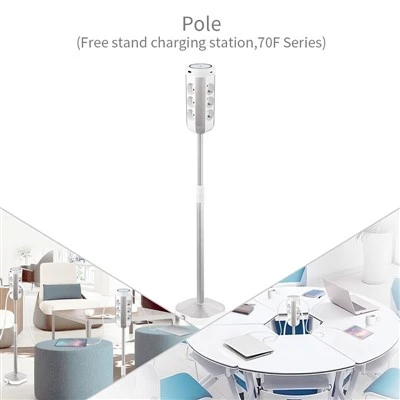
As a Desk Pro Socket supplier, I get this question at least a dozen times a week—usually from small business owners setting up office equipment, remote workers trying to cut energy costs, and even facility managers updating shared workspaces. People don’t just want a power socket that plugs in and works; they want something that works for their schedule, and right now, scheduling is one of the most requested features we get about our Desk Pro line. Let’s cut to the answer: yes, Desk Pro Sockets can absolutely schedule power on/off times, and they’re designed to make that process simple, reliable, and tailored to how real people use their devices. Desk Pro Socket
When I first started testing the early prototypes of our Desk Pro Socket back in 2019, I noticed two big gaps in the power socket market: most smart sockets were either too complex for non-tech users, or too basic with only timer functions that reset every 24 hours. We set out to build something that balanced advanced scheduling with everyday usability, and that’s become a core part of what makes our product different. Let me break down how the scheduling feature works, how it fits into different use cases, and why it’s not just a “nice-to-have” for most people.
First, how do you actually set a schedule on a Desk Pro Socket? It’s not rocket science—we intentionally built the app interface to match how most people organize their days. The Desk Pro Socket connects to your home or office Wi-Fi, and our companion app lets you create custom schedules with just a few taps. You can set one-time events (like powering off your work laptop charger at 7 PM for a client presentation the next day), recurring daily schedules (powering on your coffee maker at 7 AM every weekday, off at 9 PM), or even schedules that follow a weekday/weekend split. For example, if you work weekends but your office servers don’t need to run, you can set a schedule that turns power on only Monday through Friday from 8 AM to 6 PM. We also added a feature called “flex schedules” that lets you adjust a one-off time if, say, you’re working late one night and need to extend power to your monitor for an extra hour—no need to edit the full recurring schedule.
But the scheduling isn’t just about turning power on and off; it’s also about reliability. We test our Desk Pro Sockets in all kinds of environments—from small home offices with spotty Wi-Fi to busy open-plan offices with dozens of other devices competing for network bandwidth. If your Wi-Fi cuts out for a minute, the Desk Pro Socket stores your scheduled settings locally in its internal memory. That means even if your internet is down, the schedule will keep running exactly as you set it, no gaps. We once had a customer who runs a small dental practice tell me that last winter, their office Wi-Fi went out for three hours during a storm, and their Desk Pro Sockets kept the x-ray machines and patient check-in tablets on schedule the whole time—no missed appointments, no extra energy wasted. That’s the kind of real-world performance we built for.
Now, why does scheduling matter so much for Desk Pro Socket users? Let’s go through the most common use cases I see as a supplier, because that’s where the feature actually adds value, not just a marketing line. For remote and hybrid workers, the biggest win is energy savings. How many times have you left your laptop charger, monitor, and desk lamp plugged in overnight, just out of habit? The average office device uses about 10% of its energy even when it’s in “off” mode—called phantom power—just because it’s plugged in. A Desk Pro Socket can be set to turn off all your desk devices at 6:30 PM, right when you finish work, then turn them back on at 7:30 AM the next day. One freelance graphic designer I work with said he saved almost $120 a year on his electricity bill after setting that up. For small business owners who have multiple office spaces, scheduling also cuts down on wear and tear on equipment. Running a printer 24/7 shortens its lifespan, right? We have a client that runs a small marketing agency that sets their Desk Pro Sockets to turn the main printer on 15 minutes before the first team member arrives, off at the end of the day. That has cut their printer service calls by 30% in two years, because it’s not sitting idle and heating up all night.
Another use case that people don’t always think about is home office safety. If you have devices like space heaters, power strips, or even coffee makers in your home office, leaving them plugged in all day can be a fire risk, especially if you forget to turn them off when you leave. Scheduling a Desk Pro Socket to shut off those devices automatically eliminates that worry. A teacher who works from home told me last year that she sets her Desk Pro Socket to turn off her space heater at 8 PM every night, when she’s done grading papers, which has helped her stop worrying about leaving it on when she heads to the grocery store after work. For parents who run a kids’ online learning setup, scheduling is also a way to create boundaries. You can set a Desk Pro Socket to turn off the student’s desktop at 8 PM, so they can’t scroll social media instead of doing homework, or make sure the gaming console is off at a reasonable time each night.
Now, I know some people might ask: “Can the schedule handle custom times, like if I need power on Wednesday at 9 AM but not 10 AM?” The answer is yes, and that’s where our advanced scheduling options come in. The app lets you set multiple schedules per day for the same socket. So you could have one schedule that turns power on at 7 AM, another that turns it off for a 30-minute lunch break at 12 PM, then another that turns it back on at 12:30 PM, and off again at 6 PM. We also added a “countdown” feature that works alongside scheduling—if you need power to stay on for two more hours, you can tap a button in the app to extend the schedule, no need to adjust the main settings.
But let’s be honest: no product is perfect, and the Desk Pro Socket’s scheduling feature isn’t for everyone. If you only need a basic timer that turns off a lamp once a day, our entry-level model works for that. The scheduling feature we’re talking about is designed for people who want to integrate their power sockets into their daily routines, not just use them as an on/off switch. We also prioritize security—all the schedule data is stored on your device, not in a cloud server, so you don’t have to worry about someone accessing your schedule from outside your network. That’s a big deal for businesses that handle sensitive client data, who don’t want their power schedules (and by extension, their office hours) stored on a third-party server.
As a supplier, I also get feedback about the scheduling feature all the time, and we’re constantly updating it based on that input. Last year, customers asked for the ability to set schedules for specific dates, like a holiday when the office is closed, and we added that update. Now you can set a schedule that skips a holiday, or turns power off entirely on Christmas and New Year’s Day, which is perfect for small businesses that don’t operate those days. We also added voice control integration with Alexa and Google Assistant, so you can adjust a schedule with a voice command—no need to pull out your phone. If you say “Hey Google, turn on the Desk Pro Socket for my monitor in 2 hours,” it adjusts the schedule automatically.
I’ve had customers come to me in the past who tried other smart sockets and were disappointed by their scheduling features. Some sockets only let you set one schedule that repeats every day, no adjustments for weekends. Others require a complex setup with multiple steps to create a custom schedule. That’s why we built the Desk Pro Socket’s scheduling to be flexible without being confusing. You don’t need to be a tech expert to use it—if you can set an alarm on your phone, you can set a schedule on your Desk Pro Socket.
At the end of the day, the Desk Pro Socket’s scheduling feature isn’t just a gimmick. It’s designed to solve real problems: saving people money on energy bills, reducing equipment wear and tear, improving safety, and creating better routines for work and home. But if you’re still not sure if it’s right for your setup, the best way to find out is to reach out. I’m always happy to walk through different use cases, help you figure out how a schedule would work for your specific devices, and answer any other questions you have about the Desk Pro Socket line. Whether you’re a remote worker looking to cut energy costs, a small business owner updating your office, or someone who just wants a simpler way to manage their desk devices, we’re here to help you find the right solution. To learn more about how Desk Pro Socket scheduling can fit your needs, connect with our team to discuss your requirements and explore product options tailored to you.
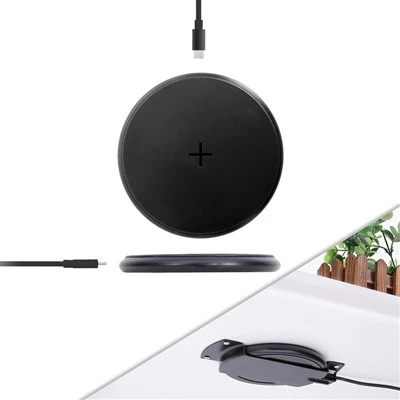
60mm Power Grommet Wireless Charger References:
- U.S. Energy Information Administration. (2022). Commercial Building Energy Consumption Survey: Office Equipment Energy Use.
- National Fire Protection Association. (2021). Electrical Fire Safety in Home and Office Environments.
- International Energy Agency. (2023). Phantom Power Reduction Strategies for Small and Medium Enterprises.
Cixi Mingye Communication & Electronic Co., Ltd.
Cixi Mingye Communication & Electronic Co., Ltd. is one of the most professional desk pro socket manufacturers and suppliers in China, featured by quality products and good service. Please rest assured to wholesale durable desk pro socket at competitive price from our factory. Welcome to contact us for custom service and ODM service.
Address: West Industrial District,Guanhaiwei Town,Cixi city,Zhejiang Province,China
E-mail: enquiry@officelink.com.cn
WebSite: https://www.officelinkelectric.com/
