If you’ve ever walked through a manufacturing plant, woodworking shop, metal fabrication facility, or pharmaceutical production line, you’ve probably felt the subtle, persistent irritation of fine dust in the air. That’s not just an annoyance—it’s a health hazard, a safety risk, and a compliance headache. As a provider of industrial dust collectors, I’ve worked with hundreds of facilities to design systems that don’t just pull dust out of the air, but work with their specific operations, spaces, and goals. Designing an industrial dust collector system isn’t just about picking a machine off a shelf; it’s a deliberate, multi-step process that balances engineering accuracy, regulatory requirements, and long-term efficiency. Over the 15 years I’ve been in this business, I’ve seen small mistakes—like undersized ductwork or incorrect filter selection—turn a $5,000 investment into a $20,000 problem, so I’m breaking down what actually goes into a system that works. Industrial Dust Collectors

The first, and most critical, step in any design is understanding the dust itself. You can’t buy the right collector if you don’t know exactly what you’re dealing with. Dust isn’t a one-size-fits-all substance: a 10-micron wood particle is vastly different from a 1-micron metal shavings or a fine pharmaceutical powder. First, I always advise clients to conduct a dust characterization test. This isn’t a guess; it’s a formal analysis that measures particle size distribution, moisture content, density, and any chemical properties. For example, aluminum dust or coal dust is explosive—so a standard fabric filter won’t cut it; you need explosion venting and static grounding built in. Moisture matters too: if dust is damp, it clumps, clogs filters, and reduces airflow. I recently worked with a food processing plant that ignored this step, using a standard collector for wheat flour that had 12% moisture. Within two weeks, the filters were caked with clumped flour, airflow dropped 40%, and they had to replace the entire filter bank early. That mistake cost them $8,000 in downtime and parts, just because they didn’t test the dust first. If you skip this step, you’re setting your entire system up to fail.
Next, map out the facility’s layout and dust generation points. No two industrial spaces are the same, so you can’t use a generic layout. I spend days walking through every inch of a client’s plant, marking every point where dust is created: a saw at the woodworking station, a grinder in metal fabrication, a powder filling line in pharma. Each of these points is called a “source capture point,” and they need specific airflow rates to pull dust at the source before it spreads into the workspace. For example, a small bench grinder needs 100 to 150 cubic feet per minute (CFM), while a large panel saw can need 1,000 CFM or more. If a capture point is too far from the source, or the CFM is too low, dust will escape, coat machinery, and enter employees’ lungs. I also factor in existing obstacles: structural beams, piping, workstations, and even employee foot traffic. Ductwork can’t just be strung willy-nilly; it needs to be straight, with minimal bends, to keep airflow smooth. Sharp bends or narrow duct runs create friction loss, which means the fan has to work harder—wasting energy and shortening the fan’s lifespan. Last year, a custom cabinet shop asked me to design a system for their 15,000 sq ft shop. I had to run ductwork around their new CNC router and a break room partition, so I had to adjust the layout to keep bends to 45 degrees instead of 90. That small change reduced the fan’s energy use by 18% compared to their initial rough plan. It’s these on-the-ground adjustments that make a design work, not just calculations on a spreadsheet.
Once you have the dust specs and layout mapped, it’s time to size the collector system correctly. Sizing is where a lot of people cut corners, and it’s the most common mistake I see. Sizing starts with calculating total required airflow, which is the sum of the CFM needed for every capture point, plus a 10 to 15% buffer for future expansions or unexpected dust spikes. Then, you have to account for static pressure—this is the resistance the air faces as it moves through ducts, filters, and the collector itself. If you get static pressure wrong, you’ll either have too little airflow (dust escapes) or too much airflow (wastes energy and wears out parts). For example, a collector that has a 10,000 CFM fan but only 5 inches of static pressure might work in a small 200 sq ft shop, but in a 10,000 sq ft facility with 150 feet of ductwork, that same fan will only move 7,500 CFM—way too little to capture dust. I always use manual duct calculation methods, or more often, specialized design software that accounts for every bend, run length, and filter type. I never recommend oversizing a collector just to “be safe”—that leads to higher energy bills, unnecessary maintenance, and wasted space. But undersizing? That’s a quick ticket to compliance violations and safety hazards.
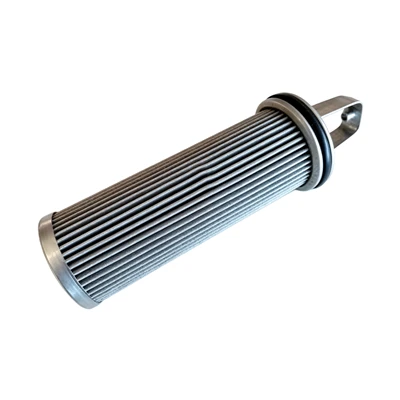
Choosing the right collector type is next, and this depends entirely on the dust and facility. There are three main types of industrial dust collectors I work with, each suited to specific use cases. First, baghouses (or fabric filter collectors) are the most common, great for non-explosive dust like wood, grain, or plastic. They use fabric bags to catch dust, and a pulse-jet cleaning system that shakes the dust off the bags automatically, so you don’t have to shut down the system to clean them. Second, cartridge collectors are smaller and more compact, ideal for fine dust like metal shavings or pharmaceutical powders where space is limited. They use pleated cartridges that have a larger surface area than bags, so they’re more efficient for small, high-efficiency needs. Third, cyclone separators use centrifugal force to pull heavy, large dust particles out of the air. They’re not as efficient for fine dust, but they’re cheap to run and perfect for pre-filtering larger particles before they reach a main collector, which extends filter life. I recently worked with a metal fabrication shop that needed to capture both fine aluminum dust (which is explosive) and large metal grindings. We used a cyclone as a pre-filter to catch the large grindings, then a cartridge collector with static grounding and explosion venting for the fine dust. That combination cut their filter changes by 50% and kept their facility compliant with OSHA’s explosive dust standards. The wrong collector type here would have either been too expensive, too inefficient, or a safety risk.
Filter selection is a detail that makes or breaks a system. Filters aren’t one-size-fits-all, and getting the wrong material can lead to clogs, low efficiency, or even safety issues. For wood dust, a standard polyester felt bag works well, but for fine fiberglass dust, you need a high-efficiency particulate air (HEPA) filter that captures 99.97% of particles 0.3 microns and smaller. For explosive dust, like aluminum or titanium, you need anti-static filters that prevent static electricity from building up and igniting the dust. Moisture is another factor: for damp dust, like food or textile, you need water-repellent filter materials to stop clumping. I once worked with a textile mill that tried to use standard cotton filters for their cotton lint dust. The lint was slightly moist from the humid plant air, so it clogged the filters in three days, instead of the usual two weeks. Switching to a polyester filter with a non-stick coating fixed the problem, and cut their filter costs by 70%. Also, pay attention to filter efficiency: the Higher the MERV rating (Minimum Efficiency Reporting Value), the more particles it captures. But a higher MERV rating means more resistance, so your fan has to work harder. It’s a balance between efficiency, energy use, and maintenance that only comes with understanding the specific dust and facility needs.
Ductwork design is another step that’s often overlooked, but critical for performance. Ducts need to be sized to keep air velocity high enough to prevent dust from settling inside the ducts. If velocity is too low, dust will collect in the ducts over time, leading to clogs, fire risks, and reduced airflow. For most dusts, you need a minimum velocity of 3,500 feet per minute (FPM) in duct runs; for heavier dust like metal or plastic, you need 4,000 FPM. If velocity is too high, it increases static pressure and energy use, so there’s a sweet spot here. Duct shape matters too: round ducts are more efficient than rectangular ducts, because they have less friction loss. I always recommend round ducts wherever possible, unless space is too tight. Duct runs should also be as short as possible, with no sharp bends. When bends are necessary, I use long-radius elbows (45 degrees or more) instead of 90-degree elbows, which create less turbulence and friction. I also add access points (clean-outs) every 50 feet of duct run, so you can clear clogs without tearing out the ductwork. A few years ago, a small machine shop had a recurring problem with dust building up in their ductwork, leading to occasional fires. We installed clean-outs every 40 feet and increased duct velocity to 4,200 FPM. The problem stopped immediately, and they haven’t had a duct clog in three years. It’s these small, intentional duct design choices that add up to a reliable system.
Finally, you can’t design a system and forget about maintenance. Even the best collector will fail if it’s not maintained properly, so I always build a maintenance plan into the design. This includes regular filter cleaning (especially for pulse-jet systems), monthly inspections for clogs or damage, and quarterly checks of fan belts and motors. I also recommend installing pressure gauges that show filter resistance—when the pressure rises above a certain level, it’s time to clean or replace filters. For explosive dust applications, more frequent inspections are required, and you need to test static grounding systems to ensure they’re working. I always work with clients to train their maintenance teams on these tasks; I’ve seen too many systems go unused or under-maintained because the staff didn’t know how to care for them. For example, a woodworking shop I worked with initially had their pulse-jet collector set to clean only once a day. That wasn’t enough, so filters clogged, airflow dropped, and they had dust buildup on their machinery. We adjusted the cleaning schedule to twice a day, trained their maintenance team to monitor pressure gauges, and within a month, their dust levels were within OSHA limits and their energy bills went down 12%.
Designing an industrial dust collector system is part engineering, part attention to detail, part understanding of the specific needs of each client. It’s not just about buying a machine—it’s about building a system that protects employees, meets regulatory standards, reduces downtime, and is cost-effective to run. If you’re in the market for an industrial dust collector, don’t cut corners on the design steps: test your dust, map your facility, size correctly, pick the right collector and filters, design your ductwork intentionally, and plan for maintenance. To discuss your specific needs, feel free to reach out for a purchasing consultation.
Cleanroom Air Filters References
OSHA. (2020). Industrial Dust Collector Safety Standards. Occupational Safety and Health Administration.
American Conference of Governmental Industrial Hygienists (ACGIH). (2021). Industrial Ventilation: A Manual of Recommended Practice.
National Fire Protection Association (NFPA). (2022). Standard on Explosion Prevention Systems (NFPA 69).
Woodworking Machinery Industry Association (WMIA). (2021). Best Practices for Wood Dust Collection Systems.
Metal Powder Industries Federation (MPIF). (2020). Dust Collection Guidelines for Metal Processing Facilities.
Jiangsu Renhe Energy Saving Technology Co., Ltd.
As one of the most professional industrial dust collectors manufacturers and suppliers in China, we also accept customized order. We warmly welcome you to wholesale durable industrial dust collectors in stock here from our factory. If you have any enquiry about quotation, please feel free to email us.
Address: No.358 Nanyuan Road, Tangqiao Town, Zhangjiagang City
E-mail: info@rhfilter.com
WebSite: https://www.rhccafenv.com/
