When I walk through a metal fabrication shop—whether it’s a small custom weld shop in Ohio or a mid-sized production facility in Texas—the first thing that catches my eye isn’t the laser cutters or brake presses. It’s the grinding equipment. I’ve been selling and servicing grinding machines for metal fabrication for over 12 years, and I can’t tell you how many times I’ve watched a shop owner waste money on a tool that’s either too weak for their daily workload or so overbuilt it’s like bringing a tank to a job that needs a scalpel. The truth is, there’s no one-size-fits-all “ideal” grinder, but there is an ideal grinder for every fabricator’s specific needs. Grinding Equipment
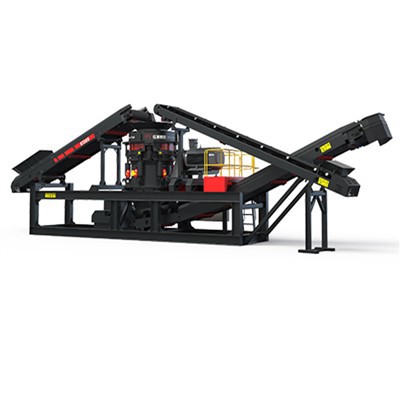
Let’s start with the basics: metal fabrication grinding isn’t just “smoothing edges.” It’s removing weld spatter that can compromise a structure’s integrity, sharpening cutting blades, shaping sheet metal for custom parts, deburring after CNC milling, and even preparing surfaces for powder coating or painting. Each of these tasks demands a different tool, and choosing the wrong one will cost you time, money, and even put your team at risk.
Take our most popular model right now, the bench grinder with a variable speed motor. I recently installed one for a custom bike frame builder who was struggling with two problems: grinding thin-gauge steel tubes too fast (which was burning and warping the metal) and sharpening his specialized cutting tools too slow (which was leading to uneven edges and wasted raw material). The variable speed feature lets him switch between 2,800 RPM for heavy weld spatter removal and 1,200 RPM for delicate shaping and sharpening. Before he got that grinder, he was using two separate machines—one for heavy work and one for light—cluttering his small shop and adding $1,500 in extra equipment costs. That’s the kind of practical choice that makes a grinder ideal, not just fancy specs on a spec sheet.
But bench grinders aren’t the only answer. For fabricators working with larger parts, like structural steel beams for commercial buildings, floor-standing grinders are non-negotiable. I had a job last year with a structural steel shop that was trying to grind 12-inch I-beams with a handheld angle grinder—they were taking twice as long as they should, and the operators were complaining about back strain from holding a heavy tool above their heads for hours. We set them up with a floor-mounted pedestal grinder that has a 14-inch grinding wheel and a adjustable work rest that locks in at any angle. The work rest eliminates the need to hold the part steady, so two workers can each grind a beam section in half the time, with far less fatigue. The key here is not just power (this motor delivers 2 horsepower, enough for thick steel) but the stability of a floor stand—you can’t get that kind of stability from a handheld tool, and it’s a game-changer for heavy, repetitive tasks.
Now, what about operations that do a lot of precision work, like aerospace components or medical device parts? For those, die grinders with air-driven motors are often the ideal choice. Wait, air-driven? Not electric? Let me explain. Electric die grinders can generate heat, and even the best insulated models can leave micro-burrs on delicate metal parts that have to be removed later. Air-driven grinders, on the other hand, run cool, so there’s no risk of heat distortion on precision parts. I worked with an aerospace fabricator a few months back who was rejecting 8% of his titanium components because of heat damage from electric grinders. After switching to air-driven die grinders, that rejection rate dropped to less than 1%. Is an air grinder more expensive upfront? Yes, but when you factor in the cost of wasted material, rework time, and compliance with aerospace quality standards, it’s a no-brainer.
Of course, I can’t talk about ideal grinding equipment without mentioning abrasive belt grinders, especially for sheet metal fabrication. If you’re shaping 16-gauge steel cabinets or decorative metal trim, a belt grinder lets you get a uniform, smooth finish across large surfaces—something a wheel grinder can’t do. A customer of mine who makes custom metal kitchen cabinets was using angle grinders to smooth the edges of his cabinet doors, but he was getting inconsistent results: some areas were too smooth, some still had burrs, and he was wasting a lot of sandpaper on disposable grinding discs. We recommended a stationary belt grinder with a 2-inch wide, 72-inch belt, and within a week, his finish quality was so consistent he started advertising his cabinets as “precision-smooth” which doubled his sales to high-end residential builders. The versatility here is key: you can swap out belts for different grits, from 36-grit for heavy edge removal to 220-grit for a final polish, all in 10 seconds.
But here’s a mistake I see fabricators make all the time: buying the cheapest grinder they can find. Last year, a small welding shop in Detroit came to me with a 1-year-old bench grinder that had burned out its motor. He’d paid $800 for it, thinking he was saving money, but when he pulled it apart, the motor was made of thin copper wire instead of solid copper, and the bearings were cheap plastic. I sell a comparable model with a 1-year warranty, solid copper motor, and sealed bearings for $1,200. That’s $400 more, but he’s had his for 5 years now, running 8 hours a day, and it’s still going strong. The cheap grinders might work for a hobbyist in their garage, but for a shop that relies on equipment to make a living, durability is as important as power.
Another factor many fabricators overlook is ergonomics, especially with handheld tools. I’ve seen operators with carpal tunnel syndrome from using angle grinders that have too heavy a grip or bad weight distribution. When we set up a shop with angle grinders for their crew, we always bring in ergonomic models with vibration-dampening handles. One of my clients, a custom fence fabricator, used to have 3 workers out with repetitive stress injuries every year. After switching to ergonomic angle grinders, that number dropped to zero in two years. The cost of a few extra dollars per tool is nothing compared to the cost of missed work, workers’ comp claims, and training new employees.
Wait, what about wet grinding? For some fabricators, especially those working with aluminum or stainless steel, wet grinding is ideal because it eliminates dust and keeps the grinding wheel cool. Dry grinding can generate fine metal dust that’s not just bad for your team’s lungs but also a fire hazard—aluminum dust is highly combustible. I work with a stainless steel fabricator who grinds a lot of decorative railings for restaurants. He used to use dry grinders until one of his operators had a minor dust-related asthma attack. We installed a wet grinding attachment on his bench grinder, and now his shop meets OSHA dust standards, and his operators don’t have to wear bulky respirators all day. The wet system doesn’t just improve safety; it also produces a smoother finish on stainless steel, since there’s no heat discoloration on the surface.
So how do you narrow down what’s ideal for your shop? Let’s break it down into simple questions. First, what material are you grinding? Thin steel? Titanium? Aluminum? Thick structural steel? Each material has different hardness, so you need a grinder with enough power (measured in horsepower) and the right wheel speed. Second, what tasks do you do most? Are you grinding welds? Sharpening tools? Shaping delicate parts? Finishing surfaces? Third, how many operators do you have, and how long do they use the grinder each day? If it’s a single operator using a grinder for 2 hours a week, a cheap model might work. If it’s 5 operators using grinders for 8 hours a day, you need something durable, ergonomic, and safe.
I also can’t stress enough the importance of matching the grinding wheel to the job. No matter how good your grinder is, a bad wheel will ruin your results. For heavy weld removal, you need a coarse aluminum oxide wheel. For sharpening high-speed steel tools, a white aluminum oxide wheel is better because it’s harder and more precise. For stainless steel, a zirconia alumina wheel prevents clogging. I always tell customers: buy the best grinder you can afford, but pair it with the right wheel, and you’ll get way more value than if you buy a cheap grinder and the best wheel.
Let me share a recent example that sums this up perfectly. A 10-person metal fabrication shop in Indianapolis came to me looking to upgrade their equipment. They were doing a mix of jobs: structural steel beams, custom metal art, and small precision parts. They had three angle grinders that were breaking every 3-4 months, a bench grinder for sharpening, and a belt grinder that was too slow for their art projects. After a full assessment, we recommended two floor-standing pedestal grinders for the structural steel work, three ergonomic angle grinders with vibration dampening for the art and precision parts, a variable speed bench grinder for sharpening, and a compact belt sander for finishing the art pieces. The total investment was $12,500, which might seem high, but 6 months later, their owner told me they’d increased productivity by 25% and had cut tool replacement costs by 60%. That’s the kind of return on investment that makes the ideal grinding equipment worth every penny.
At the end of the day, the ideal grinding equipment isn’t about the most power, the biggest wheels, or the fanniest features. It’s about a tool that fits your specific workflow, is durable enough to handle your daily workload, keeps your team safe, and saves you money in the long run. I’ve seen too many fabricators make the mistake of buying a grinder that looks impressive online, only to find out it’s a bad fit for their shop. That’s why I spend time talking to each customer, asking about their jobs, their team, their budget—because the right grinder is personal.

If you’re tired of grinders that break mid-job, that make your team work too hard, or that don’t give you the finish you need, let’s talk. I can walk you through your options, show you what works for other shops like yours, and help you pick equipment that will actually improve your bottom line. There’s no one-size-fits-all, but together, we can find what’s ideal for your metal fabrication needs.
Gold Mining Pump References
- Occupational Safety and Health Administration (OSHA). (2022). Grinding and Abrasive Wheel Safety.
- Manufacturing Metalworking Association (MMA). (2021). Best Practices for Metal Fabrication Grinding.
- Tool and Manufacturing Engineers Handbook (TMEH). (2020). Volume 4: Material Removal and Finishing Processes.
- National Institute for Occupational Safety and Health (NIOSH). (2019). Control of Metal Dust Hazards in Fabrication Shops.
Linyi Yuxiang Import and Export Trade Co., Ltd.
We are one of the most professional grinding equipment manufacturers in China, specialized in providing high quality products. We warmly welcome you to buy durable grinding equipment for sale here from our factory. Good service and low price are available.
Address: Linyi Comprehensive Bonded Zone
E-mail: sales-top1@bfgoldmachine.com
WebSite: https://www.bfgoldmachine.com/
