Hey there, if you’ve ever wondered “do cleaning drones have a child-lock feature?” you’re not alone. As a cleaning drone supplier who’s been in this game for a few years now, I get this question all the time — mostly from parents, guardians, and even small business owners who’ve got curious (and sometimes super hands-on) little ones around. Let’s break this down like I would chat to a coworker over coffee, no stuffy jargon or vague corporate lines here. Cleaning Drone
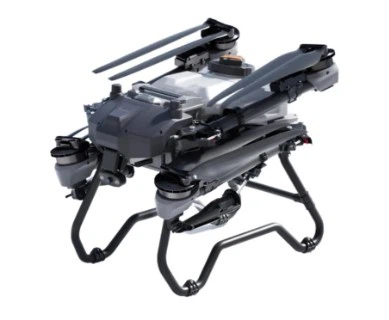
First, let’s start with what cleaning drones actually do. These aren’t your basic camera drones that you fly around for fun (though some people hack them for that — not our clients, though). Our cleaning drones are built for hard, heavy-duty work: scrubbing skyscraper windows, sanitizing warehouse floors, clearing moss from rooftop patios, even dusting high-up billboards. They’re not toys — they’re industrial tools, but that doesn’t mean we ignore the reality that kids might stumble into them, or teens might mess with controls if they’re left out.
Now, back to the child-lock question. The short answer is: yeah, most modern cleaning drones (including the ones we supply) do have a child-lock feature — but it’s not the same kind of lock you’d see on a kids’ tablet. Let me explain why. A standard tablet’s child lock keeps little fingers from tapping the wrong app, but a cleaning drone is a piece of equipment with motors, water tanks, high-pressure nozzles, and GPS that keeps it from crashing into a crowd or a building. So our version of a child lock is designed to prevent unauthorized operation, full stop — which includes kids, but also random people who shouldn’t be touching the controls.
Wait, let’s get specific. On every one of our cleaning drones, the child-lock (we just call it “lock mode” internally, but clients know it as child-lock for short) does two key things. First, it disables all manual control inputs on the drone itself. No taps on the body, no swipes on a built-in control screen if it has one. If a kid grabs the drone while it’s docked, they can’t start it, can’t push the scrubber arm out, can’t spray water everywhere. Second, it locks the companion app that connects to the drone via Bluetooth or Wi-Fi. If you’ve enabled child-lock, even if someone picks up your phone, they can’t connect to the drone or pull up the control interface unless they enter a unique PIN — no simple “swipe to unlock” hack here.
But here’s the thing: not all child-locks on cleaning drones are created equal. A lot of cheaper, entry-level cleaning drones (we see them pop up on big online platforms sometimes) skip this feature entirely. They’re built for hobby-level cleaning, like small patio floors, and they’re marketed to homeowners who might not think about kids. We made sure our line didn’t cut that corner, because early on, we had a client come to us upset — their teen had messed with a basic cleaning drone they bought elsewhere, flooded their garage, and damaged a couple of bikes. That stuck with us. We didn’t want our clients going through that, so child-lock is standard on every model we sell, from the compact residential ones to the large industrial ones for construction sites.
I should also mention that child-lock isn’t just for kids. We’ve had clients who run daycare centers that use our drones to sanitize play areas after hours — they lock the drone at night so the cleaning staff can’t accidentally start it mid-clean when a janitor’s reaching for a tool, or so no one can move it when it’s parked near sensitive equipment. A restaurant client used it to keep the drone locked during peak lunch hours, so it only runs on their schedule, not because a line cook tapped it by mistake. That’s the thing about this feature: it’s flexible, not just a “stop the toddler” button.
Wait, but let’s address a common misconception. Some people ask, “If it’s a cleaning drone, can’t I just turn off the power to disable it?” Sure, but if a kid gets their hands on the remote control (which is also a standard part, right?), turning off power takes extra steps. Our child-lock overrides all that — even if you yank the power cord out of the dock, the drone stays in lock mode until you enter the PIN on the app or the control panel. We tested that last part a lot; a few years back, we had a group of teens at a trade show try to mess with a demo drone, and they couldn’t get it to activate even when they unplugged it from the show’s power. That’s when we knew the lock mode worked.
Another question we get: “Can you turn off child-lock if I need to manually operate the drone for maintenance, and keep it safe from kids?” Yep, that’s a big one. If a cleaning drone is up on a scaffold doing a window wash, you don’t want a random person to tap the app and move it mid-job. Our child-lock has a way to “temporary unlock” — you input the PIN, and it stays unlocked for 15 minutes or until you tap a “lock” button again. That’s perfect for maintenance: if a technician needs to adjust a brush head, they can unlock it, do their work, then lock it back before stepping away. No risk of a little one walking by and starting it accidentally.
We also run into clients who have kids with special needs, or who work from home and have small kids running around the office. One recent client, a graphic designer who bought our compact drone to clean their home studio’s high windows, told us they used the child-lock every time they needed to step away for a snack or to help their toddler with a puzzle. They said it gave them peace of mind, knowing the drone wasn’t going to start spraying water on their laptop or the baby’s toys. That’s the stuff we care about — not just selling a tool, but making sure it’s safe for everyone in the space.
Now, let’s talk about limitations, because we’re not going to lie and say child-lock is a magic solution. For one, it’s only as good as how you set it up. If you use 1234 as your PIN, that’s not going to stop a determined teen who figures out how to access the app. We always tell our clients to use a unique PIN, change it every few months, and make sure their Wi-Fi (if using the app) is secure. Also, child-lock doesn’t mean you can leave the drone unattended entirely. Even if it’s locked, it’s a piece of equipment with moving parts — we always recommend storing it in a locked closet or dock when not in use, especially if there are kids around.
Another limitation: some older models of cleaning drones (we’re talking pre-2020 here) didn’t have the child-lock feature. We still support those, but we offer free firmware updates to add the lock mode if a client wants it. A lot of our long-time clients have taken us up on that — they have the older drones, but they added the feature for a tiny download, no extra cost. That’s something a lot of other suppliers don’t do, right? Most would make you buy a new drone, but we want our existing clients to have the same safety features as new ones.
We also get asked, “Why can’t you just make the drone so small and stable that kids can’t move it?” Yeah, we thought about that, but cleaning drones need power to do their job. The motors, the water pumps, the scrubbing arms — they’re heavy, and a 5-year-old could easily drag a compact drone across a floor if they wanted to. Child-lock is a software solution, which is way cheaper and more reliable than building a drone that’s un-movable by design. Plus, if a kid does drag it, the lock mode means they can’t turn it on, so no risk of it spraying water or knocking over something breakable.
Let me wrap this up. If you’re a parent, a small business owner, or someone who’s considering a cleaning drone, the answer to “do they have child-lock?” is a resounding yes — if you’re buying from a reliable supplier. It’s not a gimmick; it’s a safety feature that we built into every model because we’ve seen what can happen when equipment like this is left unprotected. It’s flexible, it works, and it’s standard on every drone we sell.

If you’re looking to get a cleaning drone for your home, office, or business, and you want to chat more about the child-lock feature, other safety options, or even test out a demo model, feel free to reach out. We’re here to answer all your questions, no pushy sales stuff, just real talk about what works and what’s best for your space.
Firefighting Drone References
- International Standards Organization (ISO) 12100:2010, Safety of Machinery – General Principles for Design – Risk Assessment and Risk Reduction
- Consumer Electronics Association (CEA) Safety Guidelines for Home Cleaning Drones, 2022
- Journal of Occupational and Environmental Hygiene, Vol. 18, No. 7, 2021: Safety Features and Incident Rates in Commercial Cleaning Equipment
- Cleaning Equipment Manufacturers Association (CEMA) 2023 Product Safety Report: Industrial Cleaning Drones
Shandong Lesong Drone Technology Co., Ltd.
As one of the most professional cleaning drone manufacturers in China, our products have good reputation in the market. Please rest assured to wholesale high quality cleaning drone for sale here from our factory. Good service and punctual delivery are available.
Address: Yuncheng County, Heze City, Shandong Province
E-mail: Ella36988@163.com
WebSite: https://www.china-uavfactory.com/
