If you’ve ever stood beside a construction site, watched a bulldozer push tons of dirt, gravel, or demolition debris, and wondered how that massive machine moves so much weight, you’re not alone. As a used bulldozer supplier, I get this question all the time—from small contractors just starting out, to site managers looking to replace an old machine on a tight budget, even to hobbyists who are building a personal off-road track and want to make sure they pick the right size. The lift capacity of a used bulldozer isn’t a one-size-fits-all number; it’s tied to dozens of factors, from the model year to how well the machine was maintained, and even the type of blade it’s equipped with. Let’s break this down so you can make an informed call when you’re shopping for a used dozer. Used Bulldozer

First, let’s get a basic definition of lift capacity straight: for bulldozers, lift capacity refers to how much weight the front blade can elevate off the ground when the dozer is stationary, right? Wait, no—actually, there’s a common misconception here. A lot of people mix up lift capacity with operating weight, which is the total weight of the dozer itself, or with the amount of material a blade can hold when it’s pushed, which is called blade capacity (usually measured in cubic yards). Lift capacity specifically is the maximum vertical distance a blade can lift, and the weight it can support at that height, without tipping the machine over. That’s a critical distinction. If you overload the blade beyond its lift capacity, you can stress the hydraulic system, bend the blade’s arms, or even cause the dozer to tip forward— a dangerous mistake on any job site, and one that’s way more costly to fix than buying the right dozer in the first place.
Now, let’s talk about how lift capacity is calculated, because that’s where things get nuanced. Most modern bulldozers use a six-way blade, which can angle left and right, tilt up and down, and pivot, making it versatile for all kinds of work. The lift capacity for these blades is determined by the dozer’s hydraulic system pressure, the length of the blade’s lift arms, and the weight distribution of the machine. For example, a small compact dozer (think under 10,000 pounds total operating weight) might have a lift capacity of 1,000 to 2,500 pounds, while a mid-size dozer (10,000 to 30,000 pounds) could lift 3,000 to 7,000 pounds. Large production dozers, which weigh 80,000 pounds or more, have a lift capacity that ranges from 12,000 to over 20,000 pounds, depending on the model. But here’s the catch with used dozers: those factory-rated numbers are for brand-new machines, straight off the dealer lot. A used dozer’s lift capacity can change a lot based on wear and tear.
Let’s talk about the biggest factors that impact a used bulldozer’s lift capacity, because that’s what matters when you’re buying one. First is the hydraulic system. The hydraulic pumps and cylinders that power the blade lift are the heart of a dozer’s lift capacity. Over years of use, these parts get worn out from dust, dirt, and extreme work conditions. If the hydraulic pump is leaking fluid, or the cylinders have internal wear that reduces pressure, the lift capacity drops. A dozer that was used to push heavy rock all its life will have more hydraulic wear than one that was only used for light grading on residential lots. That’s why when I inspect a used dozer for sale, the first thing I do is test the hydraulic pressure. If the pressure is 10% or more below the factory spec, that dozer’s lift capacity is automatically lower than the rated number, and that’s something we disclose to every customer up front.
Next is the blade type. Not all blades are the same, and that affects lift capacity too. A straight blade (or S-blade) is long and narrow, good for pushing heavy loads long distances, and it has less lift capacity than a U-blade (universal blade), which is wider and curved to hold more material. A angle blade, which tilts to the side for grading, has a lower lift capacity than a six-way blade because of its simpler design. If a used dozer you’re looking at is equipped with a U-blade, you can expect a lift capacity that’s roughly 15% higher than the same model with a straight blade. That’s a huge difference for jobs like clearing brush or moving loose dirt, where you need to carry more material rather than just push it.
Then there’s the machine’s age and overall condition. A 10-year-old Caterpillar D6, which is one of the most popular mid-size dozers in the construction industry, will have a different lift capacity than a 20-year-old model of the same line. Caterpillar’s D6 from the 2000s had a lift capacity of around 5,000 pounds, while newer D6 models (2015 and up) have a lift capacity closer to 6,000 pounds, thanks to improved hydraulic systems. But a 2010 D6 that was well-maintained—with regular hydraulic fluid changes, new seals, and no major leaks—will retain almost 95% of its original lift capacity, while a 2010 D6 that was neglected, with rusted hydraulic lines and worn cylinders, might only have 70% of its rated capacity. I see this all the time: a customer will come in looking for a used D6, and check the factory spec of 5,000 pounds, but if the hydraulic system is worn, they’ll only be able to lift 3,500 pounds. That’s a problem if they’re planning to use it for lifting full loads of demolition debris, for example.
Another thing to consider is the dozer’s operating weight and undercarriage. Lift capacity is tied to the machine’s balance, right? If the undercarriage is worn out—meaning the tracks are loose, the sprockets are worn, or the rollers are damaged—the machine’s center of gravity shifts, and that can reduce how much weight it can lift before tipping. A dozer with a worn undercarriage will have less lift capacity than the same model in good shape, because you have to be more careful not to tip it when lifting. That’s why when we service our used dozers, we replace worn track pads and adjust the undercarriage to keep the machine’s balance correct, which helps maintain the original lift capacity.
Now, let’s get to the practical side for buyers. What do you actually need to know when you’re shopping for a used bulldozer, beyond the generic numbers? Let’s use a few common scenarios as examples. If you’re a residential contractor who needs a dozer to clear small lots, dig foundation trenches, and grade driveways, you’ll probably be fine with a compact or mid-size dozer. A used John Deere 450J, which is a popular mid-size model, has a factory lift capacity of around 3,800 pounds. If that dozer is well-maintained, you can easily lift full loads of loose dirt or small demolition debris. If you’re a commercial builder who’s working on a large site, moving tons of soil for a highway project, you’ll want a larger dozer, like a Caterpillar D8, which has a factory lift capacity of around 8,000 pounds. But if that D8 is 15 years old, make sure you test the hydraulic system and check the undercarriage before you buy—older dozers can have hidden wear that drops their lift capacity.
A common mistake I see buyers make is looking at the maximum lift capacity as the only number they need, but that’s not the whole story. You also have to consider how high you need to lift the blade. The lift capacity I mentioned earlier is usually rated when the blade is lifted to its maximum height. But if you only need to lift the blade 2 or 3 feet off the ground, the dozer can handle more weight. For example, a D8 that can lift 8,000 pounds to 5 feet high can easily lift 10,000 pounds to 2 feet high. That’s an important distinction for jobs where you’re moving material from a pile into a dump truck, rather than carrying it long distances. Always ask: how high do you need to lift, and how much weight are you moving? That will help you narrow down the right machine, instead of just going for the highest number.
Another factor that’s often overlooked is attachments. If you’re using your dozer with a ripper (for breaking up hard soil or rock), a brush cutter, or a winch, that will impact lift capacity too. Attachments add weight to the front of the dozer, which reduces the amount of weight the blade can lift. For example, adding a 1,000-pound ripper to the back of a D8? Wait, no—rippers attach to the back, actually, but they shift the center of gravity forward, so the front blade’s lift capacity goes down. If you’re planning to use multiple attachments, you’ll want to account for that when you calculate your needs. A dozer with a higher lift capacity will give you more flexibility to add attachments without overloading the blade.
Now, let’s talk about what to look for when inspecting a used bulldozer to confirm its lift capacity. First, ask for service records. Any reputable seller (including us) will have maintenance logs, hydraulic pressure test results, and details about any repairs done to the dozer. If a seller can’t provide that, that’s a red flag. Second, do a visual inspection of the hydraulic system: check for leaks around the cylinders and lines, make sure the hoses aren’t cracked or bulging, and test how smoothly the blade lifts and lowers. If the blade jerks or takes a long time to reach full height, the hydraulic system is worn, and lift capacity is likely reduced. Third, test the blade with a known weight. If you can, bring a load of gravel or debris that’s within the rated lift capacity, and see if the dozer can lift it to full height without tipping. If the front tracks come off the ground when you lift, you’re overloading, and the machine’s lift capacity is lower than you thought.
As a used bulldozer supplier, I’ve seen customers make these mistakes over and over. A few months ago, a small landscaping company came to us looking for a used dozer to move large boulders for a new retaining wall. They found a Caterpillar D6 online with a listed lift capacity of 5,000 pounds, and assumed that was enough to lift the 2,000-pound boulders they needed to move. When we inspected the dozer, we found that the hydraulic pump was worn, so the actual lift capacity was only 3,200 pounds. That would have been a disaster—they would have strained the hydraulic system and possibly damaged the dozer. We ended up showing them a slightly larger D7, which had a 7,000-pound rated lift capacity, and was well-maintained, so it could easily handle their boulders. They’ve been using it for six months now, and they love it.
Another example: a homeowner who wanted a dozer to build a pond on their property. They were looking for a compact dozer, and found a used Case 550 with a 2,200-pound rated lift capacity. They only needed to lift loose dirt, so they thought that was enough. But when they tested the blade, they realized it could only lift 1,500 pounds, because the hydraulic cylinders had worn seals from being used on a construction site before. We offered them a slightly smaller, well-maintained Case 450, which had a 1,800-pound actual lift capacity, perfect for their needs, and saved them from buying a machine that would have been too weak for their job.
So, to circle back to the original question: what is the lift capacity of a used bulldozer? The short answer is, it depends. It depends on the model, age, condition, hydraulic system, blade type, and what you’re using it for. There’s no universal number, but with the right information, you can find a used bulldozer that fits your needs and your budget.
If you’re in the market for a used bulldozer, and you’re not sure which one has the right lift capacity for your job, don’t guess. We’ve been in the used dozer business for years, and we know how to inspect, service, and disclose the actual lift capacity of every machine we sell. We can walk you through your specific project, help you compare models, and make sure you get a dozer that will last for years, without the hidden surprises that come with buying a machine from an unknown seller.
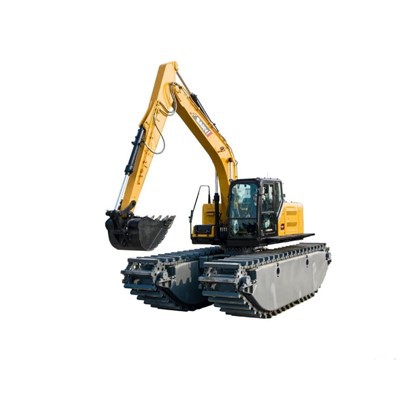
Don’t leave your project to chance. Reach out to us to discuss your bulldozer needs, and we’ll help you find the perfect machine at a price that works for you.
Dump Truck References
- Caterpillar Inc. (2022). Bulldozer Specifications and Performance Data. Construction Equipment Guide.
- Komatsu Ltd. (2021). Used Heavy Equipment Evaluation Guide: Hydraulic System and Lift Capacity. International Construction and Utility Equipment Exposition.
- Association of Equipment Manufacturers (2020). Heavy Equipment Operation and Safety Standards: Bulldozer Lift Capacity. AEM Engineering Division.
- John Deere Construction & Forestry (2019). Mid-Size Bulldozer Maintenance and Performance Ratings. Equipment Journal.
Liangshan Guanyue Auto Trading Co., Ltd.
As one of the leading used bulldozer manufacturers and suppliers in China, we warmly welcome you to buy bulk high quality used bulldozer at low price from our factory. If you have any enquiry about pricelist and quotation, please feel free to email us.
Address: Liangshan County, Jining City, Shandong Province
E-mail: guanyuetruck@gmail.com
WebSite: https://www.gytruck.com/
