What is a soft close hinge? If you’ve ever slammed a cabinet door at 2 a.m. while grabbing a glass of water, only to cringe at the loud bang and think “there has to be a better way,” you’ve already experienced why soft close hinges exist. As a supplier of these hinges, I talk to folks all the time who’re curious what makes them different from the basic hinges they’ve had their whole lives—and let’s be real, most of them just want to know why they’re worth the extra 10 bucks per pair. Let’s break it down, no jargon, just straight talk. Soft Close Hinge
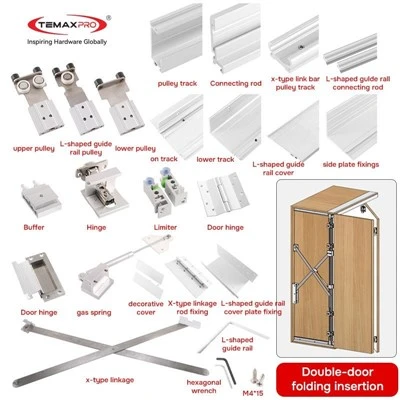
First off, let’s start with the basics: a regular hinge is just two metal leaves, a pin, and maybe a few screws. It lets a door swing back and forth, that’s it. Slam the door, and the pin clanks against the leaf, or the door’s edge hits the cabinet frame—loud, rough, and eventually, that repeated force wears out both the hinge and the door. Soft close hinges? They add a hidden mechanism inside that lets the door swing freely most of the way, then gradually slows it down the last inch or so until it shuts on its own, no bang, no slamming, no fingers getting pinched when the kid runs and shuts the bathroom cabinet. Wait, but how does that mechanism work? Let’s get a little science-y, not too boring.
Most soft close hinges use either a hydraulic damper or a spring-based system, though hydraulic is way more common these days. Think of a tiny, sealed cylinder inside the hinge arm filled with silicone fluid. When you push a door shut, the damper pushes that fluid through a small valve, creating resistance that slows the door down. No springs going snap, no plastic parts wearing out after a year—good quality ones can handle thousands of cycles without dying. Some budget versions are just a weak spring, which works for a little while, but they get loose fast, and the door won’t close all the way if you nudge it. Our soft close hinges? We use precision hydraulic dampers, not flimsy springs, so they handle heavy doors (kitchen cabinets, even bathroom vanities) just as well as light closet doors.
Wait, let’s talk about the difference between face frame cabinets and frameless cabinets, because that’s a big one most people don’t know. If you have an older kitchen, you probably have face frame cabinets—there’s a wood frame around the front of the cabinet box, and the door mounts over the frame. Soft close hinges for face frame are usually called “inset” or “overlay” hinges, depending on how far the door covers the frame. Frameless cabinets (popular in modern kitchens) don’t have that front frame, so doors mount directly to the edge of the cabinet box—those need “full overlay” or “clip-on” soft close hinges. I’ve had so many customers come to me saying their old soft close hinges didn’t work right, and turns out they bought the wrong type for their cabinet style. That’s why we carry both, so you don’t have to guess.
Another thing: a lot of people think soft close is just for kitchens. Nope! We sell them for bathroom vanities, linen closets, even storage sheds with heavy doors. Oh, and don’t get me started on how many people buy cheap soft close hinges online that fall apart within a year. I’ve had customers send us photos of cabinets where the hinge arm broke, or the damper leaked all over the inside of the cabinet. That’s why as a supplier, we test every batch of hinges before they leave our warehouse—each one gets pushed and pulled 10,000 times to make sure the damper still works, and the metal doesn’t bend. Cheap hinges use thin steel, ours use 2mm cold-rolled steel, which is way more durable.
Let’s bust a few myths here. First myth: “Soft close hinges only work if you push the door all the way.” No, that’s not right. You can nudge a door half an inch, and it will still pull shut gently. The mechanism is designed to engage automatically when the door is within about 10-15 degrees of closing. Try that with a regular hinge—you’d have to push it all the way shut, or it’ll swing open. Second myth: “They’re hard to install.” Wait, if you’re a DIYer, sure, but most soft close hinges are made to replace your old hinges in the same holes. We include easy-to-follow instructions, and if you mess up the drilling, we even have replacement mounting plates you can pick up. We also send out tips on our blog (shoutout to you for reading this!) about how to adjust the hinge tension if the door is too slow or too fast—just a tiny screw on the side, no fancy tools needed. Third myth: “They’re way more expensive than regular hinges.” Yeah, maybe the super cheap ones are, but our soft close hinges are only a few dollars more per pair than high-quality regular hinges. And let’s do the math: a good set of kitchen cabinets can last 20 years, so paying an extra $30 for soft close means you won’t have to replace hinges or repair slamming damage every 5 years. That’s a no-brainer.
Now, why would you want soft close anyway? Let’s list the real, everyday benefits, not just the marketing stuff. First, no more slamming noises. If you have kids, or live with roommates, or just don’t want to wake up the baby at 7 a.m., this is huge. I’ve had customers tell us their landlords were complaining about cabinet slams before they switched—now they get compliments on how quiet the kitchen is. Second, no pinched fingers. How many times have you shut a cabinet door and caught your finger between the door and the frame? Soft close eliminates that entirely, because the door doesn’t snap shut fast. Third, longer life for your cabinets. Slamming a door puts a lot of stress on the hinge, the door’s mounting holes, and the cabinet frame. Over time, that can cause the wood to split, or the hinge to work loose. Soft close takes 80% of that impact out, so your cabinets will look better longer. Fourth, they look nicer. A soft close door always closes all the way, no gaps between the door and the cabinet frame like it does with a loose, worn-out regular hinge. That makes your whole kitchen or bathroom look more polished.
Wait, but what about downsides? No product is perfect, right? The only real downsides are: 1) If you’re really on a super tight budget, and you just need a quick fix for a rental property that you’ll leave in a year, soft close might not be worth it. You can get by with regular hinges for that. 2) If the power goes out? Wait, no, they don’t use electricity, so that’s not a thing. Oh, wait, if you have a door that’s really heavy, like a tall pantry door, you need to make sure you get the right weight rating. Some cheap soft close hinges only handle doors up to 50 pounds, but ours go up to 100 pounds, so we can handle even the heaviest pantry doors. That’s why it’s important to tell your supplier the weight of your door when you’re ordering—we can help you pick the right ones.
As someone who’s been in the soft close hinge game for years, I’ve seen a lot of trends. A few years ago, every customer wanted the hidden soft close hinges that you can’t see from the front. Now, a lot of people want soft close for their interior doors too, not just cabinets. We just started carrying soft close door hinges, which work the same way as cabinet hinges—slow the door down before it slams into the wall or the door frame. That’s been a big hit with people who have narrow hallways, or kids who run around and doors swing shut fast.
Wait, let’s talk about installation for a second, because that’s a common concern. A lot of DIYers think they need to hire a handyman to put soft close hinges in, but most of the time, you can do it yourself with a drill and a screwdriver. You just remove your old hinges, line up the new soft close hinges in the same holes, and screw them in. We include mounting screws that work for most standard cabinet sizes, so you don’t have to go buy special ones. If you’re not sure, just send us a photo of your cabinets, and we’ll tell you exactly which hinges you need, no guesswork.
Let me give you an example. Last month, a customer from Texas reached out to us. She had a 10-year-old kitchen where all the cabinet hinges were slamming, and three of them had broken. She was about to replace all the cabinets, but I suggested our soft close hinges. She installed them herself in an afternoon, and told us later that her husband can now grab a late-night snack without waking her up, and the doors look way better. That’s the stuff we love to hear. Another customer, a small business owner who runs a café, bought 50 pairs of our soft close hinges for his café’s storage cabinets. He said before, the staff were complaining about the noise in the back, and now it’s quiet enough that they can take inventory at night without yelling over cabinet slams.
So, to circle back: a soft close hinge is a type of hinge that uses a hydraulic damper to slow a door down the last inch of closing, eliminating slamming, pinches, and wear. They’re not just a luxury item—they’re a practical upgrade that works for almost any space, and they’re way easier to install and more durable than most people think.
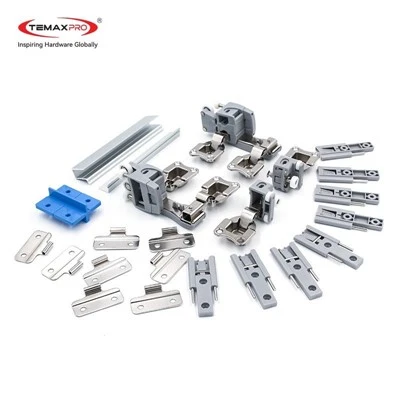
If you’re thinking about switching to soft close hinges, whether it’s for your kitchen, bathroom, or storage spaces, we can help. We carry a full range of hinges for face frame, frameless, interior doors, and even heavy-duty options for large pantries. We also offer bulk pricing for contractors or anyone doing a whole house project. Don’t guess which hinges are right for your cabinets—reach out, and we’ll walk you through everything, from picking the right size to installation tips. No pressure, just honest advice from someone who’s been doing this for years.
Folding Door References
- American National Standards Institute (ANSI) Hinge Durability Testing Standards.
- Woodwork Institute. Cabinet Hardware Installation and Compatibility Guidelines.
- International Association of Certified Home Inspectors (InterNACHI). Guide to Cabinet Hardware for Residential Properties.
Shanghai Temax Hardware Co., Ltd.
As one of the most professional soft close hinge manufacturers and suppliers in China, we’re featured by quality products and good service. Please rest assured to buy bulk customized soft close hinge at competitive price from our factory. Welcome to contact us for quotation.
Address: Room 411, Building A, No.508 Chundong Rd.,Shanghai,China
E-mail: info2@cabinetaccessory.com
WebSite: https://www.shtemax.com/
