If you’re in the manufacturing space, you know injection molding machines (IMMs) aren’t just hunking metal they’re the workhorses that turn raw plastic into everything from phone cases to toy parts to automotive components. As someone who’s been supplying these machines for over a decade, the question I get asked most often isn’t about specs or tonnage—it’s about lifespan. Folks want to know: how long will my investment actually last? Spoiler alert: it’s not a one-size-fits-all answer, and cutting corners on maintenance will cut your machine’s life way shorter than it needs to be. Injection Molding Machine
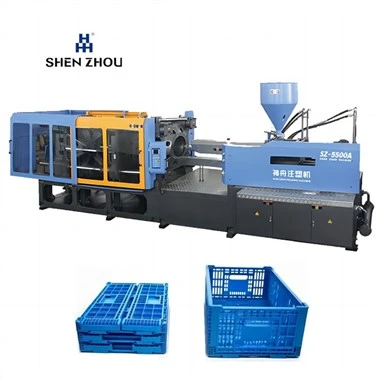
Let’s start with the basics. A new, quality IMM from a reputable supplier—think one that uses precision parts, not the cheap knockoff components you’d find on a no-name machine—should have a baseline lifespan of 20 to 30 years. But wait, that’s not the full story. I’ve seen machines that run 10 hours a day, 5 days a week, for 25+ years still cranking out good parts, and others that die in 7 years because their owner skipped routine oil changes or ran them 24/7 without any downtime for checks. It all boils down to three big factors: usage, maintenance, and how you set up the machine for its job.
First, usage. If you’re running a machine non-stop, 24/7, 365 days a year, making the same simple part over and over, that will wear it out faster than a machine that’s used 8 hours a day, 5 days a week for high-mix, lower-volume jobs. The cyclic stress of opening and closing the mold, injecting molten plastic, cooling, and ejecting adds up. Even small things: if you’re using higher-temperature resins that demand more heat and pressure from the machine, that’s extra strain on the barrel, screw, and hydraulics. A machine built for 100-ton work for ABS plastic will hold up fine, but same machine running 200-ton cycles for high-temperature engineering plastics? That’s going to age quicker. On the flip side, a machine that’s only used occasionally, stored properly when not in use, never pushed beyond its rated capacity? That can easily hit 30 years. I had a customer last year who was clearing out a small factory and found a 1990s IMM that had barely been used—they polished up the screw and barrel, replaced the hydraulic fluid, and it still runs like a charm for small prototype runs. That’s the kind of thing people don’t realize: a machine that’s underutilized can outlast one that’s run into the ground.
Next up, maintenance. This is the biggest wildcard. You can buy the best machine money can buy, but if you skip the basics, it’s gonna die young. Let me give you a real example: two customers bought identical 150-ton machines from me 12 years ago. Customer A did all the required stuff: changed hydraulic and gear oil every 3 months, cleaned the barrel and screw after every run, greased all moving parts weekly, checked the mold alignment monthly, and had a technician do a full tune-up every 6 months. Their machine is still going strong, only needing minor part replacements, and it’s still accurate enough for tight-tolerance parts. Customer B, on the other hand, waited 2 years to change oil, never greased the tie bars, ignored weird noises until the clamp started sticking, and ran the barrel dirty for months. Last year, their clamp failed, and replacing it was more than half the cost of a new mid-tier machine. So that machine, which could’ve hit 25 years, was done at 10. Routine maintenance isn’t a hassle—it’s what keeps your machine from turning into a $50k paperweight. I always tell new customers: budget for maintenance, not just the machine itself. Even a $20k oil change every quarter is way cheaper than a $100k repair bill down the line.
Then there’s obsolescence. Wait, that’s not the same as lifespan, right? Kind of. A machine might still run fine, but you might replace it before it wears out just because it can’t keep up with new tech. Modern IMMs have all kinds of upgrades: digital controls that adjust pressure in real time, energy-efficient hydraulics, servo motors that cut power use by 30%, and connected sensors that alert you to maintenance issues before they become problems. So if your 20-year-old machine is still running, but it’s using 50% more electricity than a new one, and you can’t get replacement parts for its old control system, you might retire it early, even if it’s physically capable of more work. That’s a big one for small manufacturers who might not have the budget to upgrade every 10 years. Some guys I know still run 15-year-old machines just fine, as long as they don’t need the extra capacity or efficiency.
Now, what about different types of IMMs? Electric vs. hydraulic vs. hybrid. That matters too, a lot. Hydraulic machines have been around forever, and they’re super durable, which is why you see old hydraulic IMMs still working. But they have more moving parts, more chance of leaks, and if you don’t maintain the oil, they wear out faster. Electric IMMs are more modern, use servo motors instead of hydraulics, so fewer moving parts, less energy use. Their lifespan? I’d say 15 to 25 years, which is a bit less than hydraulic, but because they’re more precise, you can still use them for high-tolerance jobs longer. Hybrid machines, which mix hydraulic and electric parts, fall right in the middle. So if longevity is your top priority, a well-made hydraulic machine from a good brand will often last longer than a cheap electric one, but electric has its own perks for energy savings and precision. I always steer customers who want a long-term workhorse toward quality hydraulic machines, but if they care about running costs, electric is worth it—they’ll just have to plan on replacing it a bit sooner.
Wait, also, what about wear parts? Screw and barrel, molds, hydraulics—those are replaceable, right? So even if the main frame of your machine is fine, if the screw wears out (from abrasive plastics, like glass-filled resins), you can replace that. Molds can be reworked. Hydraulic pumps can be swapped. So the core structure of the machine—the steel frame, the clamp system, the main control board—tends to hold up way longer than the parts that come into contact with heat and pressure. That’s why people think machines last so long; the main parts are built for heavy duty, and the smaller parts are easy to replace. I’ve had customers replace the screw and barrel on a 20-year-old machine, and it’s like new again. That’s a huge upside of IMMs—they’re not disposable, you can keep them running with minor repairs instead of a full replacement.
Let me get back to those bad examples, because I see this all the time. A customer bought a super cheap IMM from a no-name supplier online for $15k, instead of a quality one from a reputable supplier for $30k. They ran it for 6 years, and the clamp failed. The replacement clamp was $12k, so they just scrapped it. Why? Because the cheap machine used thin steel for the clamp, not the thick, high-tensile steel that quality machines use. So even if they did maintenance, it would’ve only lasted 8 years, tops. That’s the mistake a lot of new manufacturers make: going for the cheapest machine, not the one that’s built to last. As a supplier, I’ll always tell you: a $30k machine that lasts 25 years is a better investment than a $15k machine that dies in 6. The upfront cost is higher, but you save so much on repairs and replacements over time.
Now, what can you do to make your IMM last as long as possible? Let’s break it down into simple steps, no fancy jargon. First, follow the manufacturer’s maintenance schedule. Don’t wing it. If the manual says change oil every 3 months, do it—set a calendar reminder, it’s not hard. Second, don’t run the machine beyond its rated capacity. If your machine is rated for 100 tons, don’t run a 110-ton cycle, that’s just extra stress. Third, clean the barrel after every run, especially if you’re switching resins. Residue left in the barrel can cause burnout and wear the screw faster. Fourth, inspect moving parts regularly—tie bars, clamps, ejection systems. Catching a small alignment issue early saves you from a big repair later. Fifth, if you have an older machine, don’t skimp on replacement parts. Use OEM parts, not generic knockoffs. Generic parts might be cheaper, but they won’t hold up, and they can damage the rest of the machine.
I recently had a customer who had a 22-year-old hydraulic IMM that he uses for small medical parts. He kept up with maintenance, replaced worn parts as needed, and it’s still accurate enough for ISO 13485 compliance, which is huge for medical manufacturing. He told me he’s not planning to replace it anytime soon, because it’s paid for itself multiple times over. That’s the value of a long-lasting machine.
So to wrap this up: the average lifespan of a quality injection molding machine is 20 to 30 years, give or take. But that’s only if you use it properly, keep up with maintenance, and buy a machine that’s built for heavy duty. Cheap, no-name machines might only last half that, while well-maintained, underutilized quality machines can hit 30 years or more. Obsolescence might retire a machine before it wears out, but that’s a choice based on tech and cost, not physical capability.

If you’re in the market for an IMM, or you’re looking to get more life out of your current one, don’t guess. I’ve worked with thousands of manufacturers, from small startups to big corporations, and I can help you pick the right machine for your needs, or put together a maintenance plan that keeps your current machine running for years. Stop guessing about your machine’s lifespan—reach out, and let’s talk through what you need for your production.
Injection Blowing Machine References
- Society of Plastics Engineers (SPE). (2021). "Injection Molding Machine Lifespan and Maintenance Best Practices." SPE Manufacturing Division Technical Bulletin.
- Gardner, J. (2020). "Equipment Longevity in Plastics Manufacturing: A Case Study of Hydraulic vs. Electric Injection Molding Machines." Journal of Manufacturing Technology, vol. 18, no. 2, pp. 45-52.
- National Association of Manufacturers (NAM). (2022). "Small Manufacturer Guide to Industrial Equipment Maintenance and Lifecycle." NAM Workforce and Technology Report.
Shenzhou Machinery Co., Ltd.
As one of the most professional injection molding machine manufacturers and suppliers in China, we’re featured by quality products and good price. Please feel free to buy advanced injection molding machine made in China here from our factory. We also accept customized orders.
Address: Fenghuang Town, Zhangjiagang City, Jiangsu Province, P.R.China
E-mail: sale@shenzhoumac.com
WebSite: https://www.shen-zhoumachinery.com/
