If you’re running a small fabric shop, I get it—you’re not just a shop owner, you’re the one unboxing fabric bolts at 7 a.m., troubleshooting a wonky old cutting machine, and staying up till midnight finishing custom orders for regulars. A lot of small shops start with basic manual cutters because they’re cheap, but once your order load picks up, you hit a wall: frayed edges, inconsistent piece sizes, and way too much time spent wrestling with fabric instead of working with customers. That’s where a servo cutting machine comes in, but picking the right one for a small shop isn’t as easy as grabbing whatever’s cheapest on Amazon. I’ve been in this game for over a decade—yeah, I’m a servo cutting machine supplier, but I also used to consult small fabric shops before I started my own business (shoutout to the 3 years I fixed machines and helped shops cut costs instead of just selling them). Let’s break this down without the sales fluff, because small shop owners don’t have time for jargon. Servo Cutting Machine
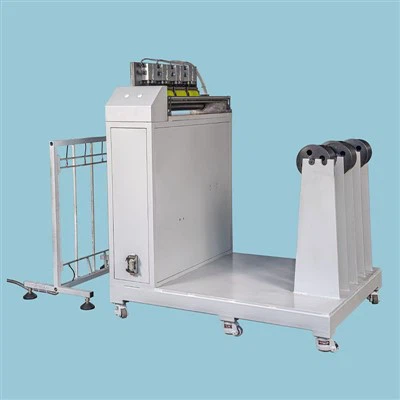
First, let’s get one thing straight: a servo cutting machine for small fabric shops isn’t the same as the industrial behemoths you see in big garment factories. Those cost $10k+, need a whole extra room, and run on 3-phase power—totally overkill when you’re cutting 5–20 yards of fabric a day, not 500. A lot of suppliers will try to push those big machines on small shops, but that’s a waste. The best servo cutters for your space will check three boxes: affordable (under $3k, ideally), small enough to fit in a 4×6 ft countertop nook (no need for a dedicated table), and flexible enough to handle whatever fabric you work with—cotton, linen, spandex, even thick canvas for tote bags.
Let’s talk about the top contender for small shops right now: the desktop servo fabric cutter with a guided cutting rail. Wait, I know what you’re thinking—desktop? But don’t let the size fool you. A lot of these models have 300W servo motors (way more reliable than old manual motor cutters) that give you consistent speed and pressure, no more uneven cuts even when you’re laying 5 layers of lightweight fabric. The key feature here is the laser alignment system, not some cheap sticker guide you have to re-stick every week. For small shops, you can program custom patterns (think a baby romper pattern or a quilt block) in 2 minutes, cut a full set of pieces in under 10 minutes, and not have to adjust the guide every time you switch fabrics. I’ve seen shops go from 2 hours of cutting a 5-piece quilt set to 15 minutes flat, and that’s not even the best part—no more frayed edges, which means less fabric waste (you know how expensive good cotton is).
Wait, but what about budget? A lot of small shop owners are worried about upfront costs, right? Let’s be real: $1,500 for a desktop servo cutter is way cheaper than hiring a part-time cutter (which would run you at least $2k a month) or paying for custom cutting services from a third party (that’s 30–50% of your order revenue, by the way). That’s a no-brainer. I’ve had shops tell me they paid off their cutter in 6 months just from cutting their own orders instead of outsourcing.
Now, let’s cover what to avoid. A lot of cheap servo cutters (under $1k) pop up on Facebook Marketplace or budget tool sites. I get the urge to save cash, but here’s the catch: most of those have 100W motors that overheat after 10 minutes of cutting, or the blade dulls so fast you’re sharpening it twice a day. I once had a customer who bought a $800 cutter, ended up bringing it to me 3 times in 4 months to fix the blade mechanism—total cost was $900, and he still had a machine that couldn’t handle thick canvas for tote bags. Don’t do that. Spend a little more upfront to avoid headaches later.
Another thing to consider: your space. I’ve had small shops in a 10×12 ft back room, shops that share space with a sewing studio, even a pop-up shop that moves locations every 3 months. The best servo cutters for these setups are lightweight (under 50 lbs) so you can wheel it into a closet when not in use, and use standard 110V power (no need to hire an electrician to upgrade your outlet—save that cash for fabric!). The industrial models I mentioned earlier? They’re 200+ lbs and need 3-phase power, so unless you’re running a factory out of your garage, skip them.
Wait, what if you do a mix of fabric and other materials? A lot of small shops work with leather, vinyl, even felt for craft projects. The good desktop servo cutters I recommend can handle those too, as long as you swap the blade—$20 for a leather blade, way cheaper than buying a whole new machine. I had a customer who runs a shop that makes custom leather keychains and cotton face masks, and he’s been using the same cutter for 2 years with no issues.
Now, let’s talk about the hidden features that make or break a small shop experience. First, customer support. If your cutter breaks at 8 p.m. before a big order is due, you can’t wait 3 days for a technician to fly in. Look for a supplier that offers 24/7 phone support, not just email—trust me, that’s a game-changer. I’ve had customers call me at 9 p.m. panicking because the blade got stuck on a linen bolt, and I walked them through fixing it in 5 minutes over the phone. No one wants to be stuck without a machine right before a deadline.
Second, software compatibility. You don’t need fancy design software—most good servo cutters come with free, downloadable templates for common patterns (quilt blocks, T-shirt pieces, tote bags) and let you import PDFs or JPEGs of custom patterns. A lot of small shop owners don’t have time to learn Adobe Illustrator, so skip the machines that require that. The ones I recommend work with Google Drive too, so you can upload a customer’s custom sketch from your phone and cut it in 5 minutes.
Third, blade life. A good servo cutter blade should last 3–6 months with regular use (that’s 5–10 yards a day, by the way). Cheap models have blades that last 1 week, so you’re spending $5 a week on replacement blades, adding up to $260 a year. A mid-range servo cutter costs $1,800, and blade replacements are $20 every 4 months—total blade cost is $60 a year. That’s a huge difference, and it adds up fast.
Wait, let’s test this with a real example. I had a customer, Mia, who runs a small quilt shop in Portland. She used to have a manual rotary cutter, took her 3 hours to cut 20 quilt blocks for a custom order, edges were frayed so she had to trim them again after sewing, and she wasted about 1 yard of fabric per order. She bought a desktop servo cutter from me 18 months ago. Now she cuts those same 20 blocks in 25 minutes, no trimming needed, and fabric waste dropped to ¼ yard per order. She told me she made $1,200 extra last year just from not outsourcing cutting and less fabric waste. That’s not a sales pitch—that’s real numbers from a real shop owner.
What about if you’re just starting out? Wait, no—even if you’re a new small shop, a servo cutter pays for itself way faster than you think. I see new shop owners hold off on buying one because they don’t have a lot of orders, but even if you cut 2 yards a day, you’re saving time that you can spend on marketing or meeting with customers, which brings in more orders. It’s not just about cutting faster—it’s about freeing up your time to grow your business, not just run it.
Now, let’s address the elephant in the room: is a servo cutter worth it for a shop that only does custom one-off orders? Yes. Let’s say you get an order for a custom dress: instead of cutting each piece with a rotary cutter, which takes 20 minutes and has uneven edges, you program the dress pattern, cut it in 2 minutes, and have perfect, consistent pieces. No more arguing with customers about why the bodice is lopsided because of your messy cuts. That’s a huge win for customer satisfaction, which leads to repeat business.
Wait, what about maintenance? A lot of people think servo machines are high-maintenance, but the small desktop models? They’re super easy. You just wipe the blade after every use, oil the motor once a month (1 minute with a can of sewing machine oil, $10 a bottle), and check the alignment every 3 months. That’s way less maintenance than a manual cutter, which you have to sharpen every week and realign after every 10 yards. I’ve had a customer who’s had his for 3 years and only spent $20 total on maintenance.
Now, let’s clear up a common myth: a lot of small shop owners think that a servo cutter will replace all their sewing staff. No—if you’re a small shop with 1–2 people, it will make your jobs easier. You cut faster, you have less waste, you can take more orders without working 16-hour days. It’s not a replacement for labor, it’s a tool to make your labor more valuable. That’s a key point I try to drill into shops—don’t look at it as a cost, look at it as an investment in your time and your business.
So, putting it all together, the best servo cutting machine for a small fabric shop is a desktop model with a 300W+ servo motor, laser alignment, 110V power, and a user-friendly pattern import system, under $3k, that comes with 24/7 support. It fits in your small space, handles all your fabrics, saves you time and money, and doesn’t require a huge budget.
Wait, but every shop is different. I don’t want to tell you to buy a specific machine because I know some shops do heavy canvas work all day, and others do delicate lace, and a few even work with felt and foam for crafts. That’s why I always tell small shop owners to reach out—we can talk through what you actually need, not what I want to sell you. If you’re cutting mostly lightweight cotton and linen for apparel, one model is best. If you’re doing heavy canvas for bags, another. If you’re tight on space, a compact wheeled model is a better fit.
I get it, buying a new machine is a big decision, especially when you’re running a small business on a tight budget. You don’t want to waste money on something that doesn’t work for your shop, and you don’t want to get stuck with a machine that’s too hard to use. That’s why I’ve helped dozens of small shops test out machines before they buy, so they know exactly what they’re getting. No pressure, no sales tricks, just honest talk about what will work for your specific space and order load.
If you’re tired of wasting time on manual cutting, losing money to fabric waste, and staying up late to finish orders, let’s chat. I’ll walk you through what to look for, answer all your questions, and make sure you get a machine that fits your shop. No jargon, no pushy sales stuff—just someone who’s been in your shoes, running a small shop, and knows how these machines work for people like us.
Radiator Fin Forming Machine References
- Small Business Administration. (2023). Cost-Saving Tools for Small Apparel and Fabric Shops.
- Textile Institute. (2022). Servo Motor Performance in Small Scale Fabric Cutting Operations.
- U.S. Bureau of Labor Statistics. (2023). Wage Data for Fabric Cutters in Small Retail Businesses.
- International Fabricare Institute. (2021). Fabric Waste Reduction Methods for Small Custom Sewing Shops.
Suichang Lvye Machinery Co., Ltd.
We are one of the most professional servo cutting machine manufacturers in China, also support customized service with low price. We warmly welcome you to buy discount servo cutting machine for sale here from our factory. If you have any enquiry about quotation, please feel free to email us.
Address: No.402, Mudanting East Road, Miaogao Street, Suichang County, Lishui City, Zhejiang Province
E-mail: L528753@outlook.com
WebSite: https://www.suichanglvye.com/
