Hey everyone, thanks for swinging by my blog. If you’re in construction—whether you’re a general contractor, project manager, or someone just curious about what makes modern building go up faster—you’ve probably heard a lot about formwork lately. Two terms keep popping up: aluminum formwork and precast formwork. But what’s the actual difference? And as someone who runs an aluminum formwork machinery supply company, I’m gonna break this down like I would with a contractor who just asked me over coffee. No jargon overload, just real talk about what works for what. Aluminum Formwork Machinery
First, let’s get the basics straight. Formwork, for anyone who doesn’t know, is that temporary “mold” you use to pour concrete into. Think of it like the sides of a cake pan, but way bigger and built to hold concrete’s weight without breaking. The problem with traditional wood formwork? It’s flimsy, gets warped after a few uses, and you have to cut it on site for every little edge or curve. That’s why guys started moving to better options—aluminum and precast being the top two now.
Let’s start with aluminum formwork, since that’s what I know inside out. My company makes the machinery to cut, bend, and assemble those aluminum panels. Aluminum formwork is all about modular, custom-fit panels. Each panel is made from thick, lightweight aluminum alloy (not the flimsy soda can stuff—we’re talking industrial grade) that’s engineered to lock together with clips, no screws or bolts needed half the time. Here’s the big win: once you set the design for a building—say, a 10-story apartment complex with identical units on each floor—you can reuse those same panels 100+ times. No cutting, no adjusting, just lift and lock. I’ve seen projects reuse the same set of panels for 15 straight buildings without replacing a single main panel. And since aluminum doesn’t warp or absorb water like wood, the finish on the concrete is way smoother—you don’t have to do as much patching or sanding after the mold comes off.
But wait, precast formwork is a whole different animal. Precast concrete, right? This is when you pour the concrete panels off site, in a big factory, not on the construction site. So precast formwork is the mold they use in that factory to make those concrete panels. Think of it as a one-time (or limited-time) mold for precast elements like wall panels, floor slabs, or even whole staircases. The formwork here is usually steel, wood, or sometimes even recycled plastic, built to hold the concrete while it cures in a controlled environment. The big difference: precast formwork is for making precast parts, which are then transported to the site and stacked together. Aluminum formwork is for casting concrete directly on the job site, as you build the structure floor by floor.
Now let’s dive into the real-world stuff that matters to people actually running projects. Let’s talk speed. I’ll be honest—aluminum formwork is way faster for on-site construction. Once your panels are prepped (and since they’re modular, you don’t have to wait for custom cuts), a crew can set up a full floor in a day. I’ve had clients build 30-story residential towers in 3 days per floor. Precast? The speed here is in the factory. You can make dozens of panels at once while the site is getting ready, but once you get to the site, stacking precast panels takes time too—you have to coordinate cranes, make sure each line up perfectly, and fill in the gaps between them. I’ve seen precast projects hit snags because a panel got damaged in transport, and you can’t just cut a new one on site—you gotta go back to the factory, which delays things for weeks.
Cost is another big one, but it’s not as simple as “aluminum is cheaper” or “precast is cheaper.” Let’s break it down. Aluminum formwork has a high upfront cost. A full set of panels for a 100-unit building will run you a few grand, but remember—you reuse them. So if you do 5 buildings, the cost per building drops like a rock. I’ve had clients tell me after 3 buildings, they’re already saving money compared to renting traditional wood formwork. Precast, on the other hand, has low upfront cost for the formwork itself (since it’s used fewer times) but you’re paying per panel made in the factory, plus transportation costs. If your project is small—like a 2-story house—precast might be cheaper because you don’t need a big set of aluminum panels. But for mid-to-high rises, aluminum wins on long-term cost.
Durability and finish too. Aluminum formwork’s concrete finish is chef’s kiss. Because the panels are smooth and rigid, the concrete comes out almost ready to paint—no rough edges, no stains, no warped spots. You can even get a decorative finish if you want, like a textured wall, and aluminum will hold that detail perfectly every time. Precast formwork’s finish is good, but it’s only as good as the mold. If the mold has a small scratch, that shows up on every precast panel. Also, precast panels are heavier than regular concrete, so you need stronger cranes to lift them, which adds to the site cost.
Wait, what about flexibility? That’s where people get confused. If your building has weird curves, a custom layout, or you have to change a design mid-project, which is better? Aluminum formwork can be adjusted way easier. Since the panels are modular, you can swap out a 2ft section for a custom one in a day, no big deal. Precast? You’re stuck with the molds you already made. If you decide to move a window or add a wall halfway through, you either have to make a new mold (which takes weeks) or work around the old panels. That’s why aluminum is way more popular for commercial and residential buildings that have consistent floors, but can handle small design changes. Precast is better for things like parking garages or industrial warehouses where the layout is super simple and doesn’t change.
Let me throw in a real example to make this concrete (pun intended). Last year, a client of mine was building a 12-story apartment complex in downtown Austin. They tried precast first, and ran into a problem: one of the corner units had a sloped wall, and the precast mold for that wall took 3 weeks to make, which set their schedule back. They switched to aluminum formwork, and we made a custom sloped panel in 2 days. They finished the entire 12-story building 2 weeks ahead of their original timeline, and ended up saving $80k on labor costs. That’s the kind of thing I see all the time—aluminum solves those mid-project hiccups that precast can’t.
But don’t get me wrong—precast isn’t bad. If you’re building a 50-unit senior living complex, all with identical floor plans, precast might work. You make 50 wall panels once, transport them, stack ’em up, and you’re done. No need to store big aluminum panels between projects. But if you’re a contractor who does a lot of different projects—one month an apartment, the next an office building, the next a school—aluminum formwork is way more versatile. You can reconfigure the panels for each new project instead of investing in a whole new set of precast molds every time.
Also, let’s talk safety. Aluminum formwork is lighter than steel formwork, so crews don’t have to lift heavy panels, which cuts down on back injuries and on-site accidents. Precast panels are super heavy—each one can be a ton or more, so crane operators have to be extra careful, and that adds a safety layer on site. Aluminum formwork clips are also designed to be quick to install, so crews spend less time on ladders and more time getting the job done safely.
Wait, I should clear up a common myth some people have: “Aluminum is too expensive for small jobs.” Yeah, if you’re doing a 1000 sq ft garage, aluminum might not make sense. Renting wood formwork is cheaper there. But for any project over 5,000 sq ft, or any project that’s gonna last more than a couple months, aluminum pays for itself fast. And as for precast, small jobs usually don’t use it at all because the mold setup cost is too high.
Now, what’s my take as a formwork machinery guy? I obviously think aluminum is great, but I won’t tell someone it’s the only option. If you’re a small contractor doing a single 3-story house, precast might fit. If you’re a GC doing 10 mid-rises a year, aluminum is the way to go. The key is matching the formwork to your project’s size, timeline, and how often you’ll reuse the mold.
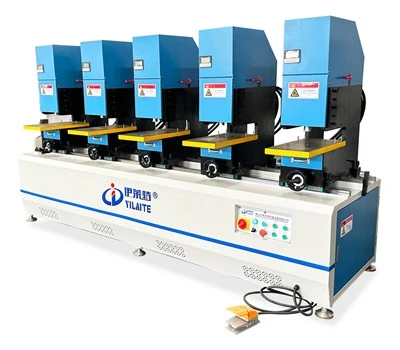
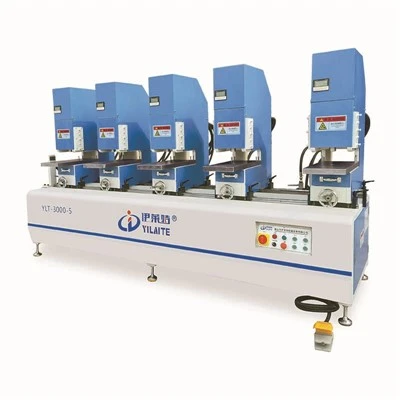
But here’s the thing most people miss: aluminum formwork isn’t just the panels. It’s the whole system—including the machinery we supply. You can’t just buy aluminum panels if you don’t have the tools to cut them, bend them, or assemble them into custom shapes. That’s where my company comes in. We don’t just sell machines; we help contractors set up their formwork stations, train their crews to use the panels, and even help design custom panels for their projects. I’ve had a client who was new to aluminum formwork come to me, and in a month, they were reusing their panel set for two different projects. That’s the value we bring.
If you’re still on the fence about which one to use—whether you’re a first-time builder, a seasoned contractor, or someone just looking to upgrade their formwork setup—don’t overcomplicate it. Ask yourself these questions: How many times will I use this formwork? Can I adjust the design if I need to? What’s my timeline? If you’re reusing it multiple times, need flexibility, and want to cut down on labor delays, aluminum is a no-brainer. If your project is small, super consistent, and off-site manufacturing is easy, precast might work.
But if you’re ready to stop wasting time on warped wood formwork, dealing with precast transport delays, and want a system that grows with your projects, you should reach out to chat. No sales pitch, just me asking about your current projects and what’s been working (or not working) for you. I’ve seen guys switch from precast to aluminum and cut their project times by 30%—that’s the kind of result I want for every contractor I work with.
Whether you’re building a 10-story tower or a single-family home, formwork is the backbone of your project. Don’t settle for a mold that slows you down or costs you money. Aluminum formwork and precast formwork each have their place, but knowing the difference means you can pick the right one for what you’re building. I’m always here to answer questions, walk you through how aluminum formwork works, or help you figure out if it’s a fit for your next project. Hit me up, let’s chat.
Aluminum Formwork Machinery References
- Formwork Engineering: Design and Practice, 2nd Edition, R. E. Allen, 2018
- Aluminum Formwork Systems: Efficiency and Cost Analysis, Construction Industry Institute, 2021
- Precast Concrete Formwork Technology and Applications, International Association of Precast Concrete, 2020
- Safety Standards for Formwork in Construction, Occupational Safety and Health Administration (OSHA), 2022
Foshan Yilaite Machinery Equipment Co., Ltd.
Foshan Yilaite Machinery Equipment Co., Ltd. is one of the most reliable aluminum formwork machinery manufacturers and suppliers in China, featured by quality products and good service. Please rest assured to buy CE approved aluminum formwork machinery from our factory. We also accept customized orders.
Address: No.28, Guangyun Road, Shishan Town, Nanhai District, Foshan City (next to Gaobian Bus Station)
E-mail: Myway18@163.com
WebSite: https://www.yilaitemachine.com/
