Hey everyone, let’s cut to the chase: I’m here today as a packing bag supplier, and I get asked this question like, every single week at trade shows, over emails, even when I’m grabbing a coffee between meetings. “Wait, can a regular packing bag actually work for camping?” It’s such a loaded question, right? Because when you hear “packing bag,” you probably picture that flimsy nylon tote you shove your work laptop in, or maybe that cheap plastic one from the grocery store you use for a quick run to the market. And when you hear “camping,” you think tough hiking backpacks, waterproof dry bags, heavy-duty gear that can survive a rainstorm, a brush with a pine tree, and a rogue campfire ember all in one trip. For the longest time, I kinda defaulted to “well, maybe in a pinch”… but the more I’ve dug into this, tested my own products on camp trips, and talked to actual campers (not just gear snobs), the more I’ve realized this question isn’t a yes/no—it’s a “it depends on how you use it, and which packing bag you pick.” Packing Bag
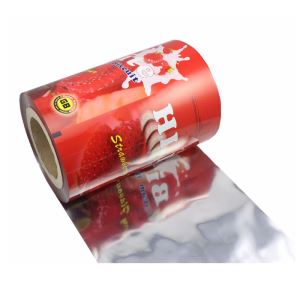
Let’s start with the basics, because a lot of the confusion comes from what people think a packing bag is, vs. what we (as suppliers) make them to do. Most packing bags are designed for moving stuff from Point A to Point B without mess or jostling, right? They keep your clothes, shoes, toiletries, whatever, organized so you don’t have to dig through a disorganized pile in the back of your closet. But that core purpose—organization, protection from minor spills and dirt—translates way better to camping than you’d think. The key here is that not all packing bags are created equal. I’ve seen customers show up to our booth with that $1 dollar plastic shopping bag and ask if it’s good for backcountry camping, and that’s a hard no. But a mid-duty packing bag, the kind we manufacture with 420D polyester, reinforced stitching, and a water-resistant coating? That’s a game-changer for casual, car camping, and even day hikes.
Wait, let’s break down the two main camping scenarios first, because that’s where this all ties together. Car camping is the most accessible, right? You drive to your site, unload your gear, and you’re not carrying 30 pounds on your back. For that kind of trip, a packing bag is perfect. Let’s say you’re packing for a weekend: you have separate packing bags for sleeping bags, kitchen gear, clothes, even small items like headlamps or camp chairs. I tested this last month on a trip to Pisgah National Forest—just me, my brother, and a 2-hour drive to the site. I used three of our medium packing bags: one for all the non-water-sensitive clothes (hoodies, jeans, socks), one for the kitchen stuff (pots, pans, utensils, a bag of marshmallows), and one for the softer, easy-to-bruise items like our sleeping bags and a portable lantern.
Here’s the thing that blew my brother’s mind: the night it rained for like 2 hours straight. The tent we rented wasn’t as waterproof as we thought, and the floor got a little damp. When we went to grab the clothes packing bag the next morning, the inside was totally dry. Why? Because we upgraded it with a PVC water-resistant liner—something we started adding to all our outdoor-focused packing bags last year, after a ton of campers asked for it. It’s not fully submersible, mind you—if you left it in a lake for an hour, stuff would get wet—but it’s more than enough to repel rain, spilled water from the camp sink, even that random puddle you step in when you run from your car to the tent.
Now, what about day hikes? That’s a middle ground. You’re carrying your bag for 3-6 miles, so you don’t want something bulky or heavy. A small, lightweight packing bag—say, our 1-liter drawstring style—works perfectly here. I used one on a day hike last week in the Blue Ridge Mountains, and I stowed my phone, water bottle, trail mix, and a small first-aid kit in it. It’s not built to carry 20 pounds of gear, but for light loads, it’s way more flexible than a bulky hiking backpack. I also noticed I didn’t have to dig around for my phone like I would in a regular backpack—since it’s a packing bag, the compartments are smaller and more focused on specific items. That’s a big win for day trips when you need something quick to access.
But wait, let’s get real here—there are limits. A packing bag isn’t going to replace a heavy-duty hiking backpack for backcountry camping, where you’re trekking 5+ miles, carrying 40+ pounds of gear, and dealing with rough terrain, thorny bushes, and full-on river crossings. The fabric on most packing bags isn’t thick enough to resist abrasion from rocks or branches, and the shoulder straps (if it has them) are way too flimsy for that kind of weight. I learned this the hard way a few years ago when I tried to use my old work packing bag for a 10-mile backcountry trip. By mile 6, the shoulder strap ripped clean off, and all my stuff ended up covered in dirt from the trail. So that’s a hard limit, and I tell every customer that—no exceptions. A packing bag is for casual camping, car camping, day trips, not backcountry treks where durability and weight capacity are non-negotiable.
Here’s another angle most people don’t think about: organization. Camping gear gets messy fast. You come back from a hike, and your shoes are covered in mud, your tent has pine needles, your cooking gear has food crumbs. If you don’t separate stuff, your sleeping bag will smell like campfire smoke for months, or you’ll dig through 10 items to find a single granola bar. That’s where packing bags shine. We designed our packing bags with that exact problem in mind—different sizes, different compartments, so you can sort every piece of gear. Last month, a customer emailed us saying she used our small packing bags to separate her kid’s clothes, her partner’s clothes, and all their pet’s gear on a family camping trip, and it cut their setup time in half. She said they didn’t have to dump the entire trunk just to find the Frisbee or the dog’s leash. That’s a huge benefit that people overlook because they’re so focused on “is it waterproof?” or “is it tough enough?”
Wait, let’s talk about common myths too. I hear people say, “But packing bags are too flimsy!” Well, that depends on how you use them. If you’re shoving a 50-pound cooler into a standard packing bag, yeah, that’s gonna tear. But if you use them for their intended purpose—carrying 10-20 pounds of organized gear—they’re actually pretty tough. We test every single one of our packing bags by stress-testing the stitching, dropping them from 6 feet, and spraying them with a hose for 10 minutes straight. Most of them pass with flying colors, and the ones that don’t get redesigned. I always tell customers: check the specs. If a packing bag says it’s rated for 15 pounds, don’t try to cram 30 pounds in it. That’s just common sense, right?
Another thing: versatility. A lot of people don’t realize that packing bags don’t have to stay in the camping site. After the trip, you can use them to store your camping gear in the garage all year, so your sleeping bag doesn’t get dusty, or your cooking gear doesn’t get infested with mice. You can even use them for other stuff—like moving your clothes to college, or taking your gym gear to the gym. That’s a huge plus compared to a bulky hiking backpack that only works for camping. I have a friend who uses his old camping packing bag as his weekly grocery tote, and he says it holds all his stuff way better than the flimsy plastic ones.
Now, let’s get back to the supplier side of things, since that’s why I’m here. Over the past 5 years, I’ve watched people redefine what a packing bag can do, and camping has been a big part of that. A lot of our best-selling products right now are actually our packing bags that customers use for camping, not for work or travel. We’ve even started adding small features to some of our bags that cater specifically to campers: webbing loops on the sides to attach a water bottle or a headlamp, reflective strips for early morning hikes, and that water-resistant liner I mentioned earlier. We designed these based on actual feedback from campers, not just marketing jargon.
But here’s the thing I always make sure to emphasize: if you’re serious about backcountry camping, if you’re hiking long distances and carrying heavy gear, stick to a proper hiking backpack. But if you’re looking for something cheap, lightweight, organized, and that’ll work for most of your weekend or day trips? A good packing bag is perfect. I’ve seen too many people knock packing bags as “not camping gear” when they’re actually a useful, affordable addition to your camping setup.
Wait, let’s wrap this up with a little real-world example. Last summer, I went to a local campground with my wife and two kids. We had a big group, so we rented two sites. I brought 6 of our medium packing bags: one for each kid’s clothes, one for our clothes, one for kitchen gear, one for games, and one for all the small stuff like sunscreen, bug spray, and first-aid. We drove in, and instead of hauling a bunch of loose stuff into the tents, we just carried each packed bag. By the end of the weekend, when we were packing up, it took us half the time it normally takes—no digging through piles, no stuff getting lost, no wet clothes. The only time I wished I had something else was when we went on a 5-mile hike to a waterfall, and that’s when I pulled out my hiking backpack, not a packing bag. It’s all about matching the tool to the job, right?
So to answer the original question: Yes, a packing bag can be used for camping—you just have to pick the right one, and use it for the right kind of camping. It’s not a replacement for heavy-duty hiking gear, but it’s a fantastic, affordable option for car camping, day trips, casual trips with friends or family, and even storing your camping gear when you’re not using it. If you’re curious about what kind of packing bag works best for your camping style, feel free to reach out—we’re always happy to help match you to the right product, no sales pitch, just real advice from someone who’s tested these things on actual trips.

Now, if you’re looking to stock up for your own camping trips, or you’re a retailer interested in partnering with us for bulk orders, we’d love to hear from you. Shoot over a note to get the process started.
Cup Paper References
- Outdoor Industry Association. (2022). Camping Gear Usage and Consumer Insights. Outdoor Industry Association, Denver, CO.
- American Hiking Society. (2023). Backcountry Camping Gear Guide. American Hiking Society, Washington, D.C.
- Textile Institute. (2021). Performance Standards for Recreational Packing Fabrics. Textile Institute, Manchester, UK.
- Consumer Reports. (2022). Best Camping Organizers for Car Camping. Consumer Reports, Yonkers, NY.
- National Park Service. (2023). Leave No Trace for Casual Camping. U.S. Department of the Interior, Washington, D.C.
Huizhou Yangrui Printing & Packaging Co., Ltd.
Huizhou Yangrui Printing & Packaging Co., Ltd. is one of the top level packing bag manufacturers and suppliers in China, welcome to wholesale products from our professional factory. And if you are seeking for manufacturer printed packing bag wholesale business opportunities, please also feel free to contact us.
Address: 1-3F, Bldg.1, Fushun Technology Park, East Industrial Park, Huatang Village, Shatian, Huiyang, HZ, GD,CN
E-mail: sales@packagingbag5.com
WebSite: https://www.packagingbag5.com/
