If you’ve ever watched a manufacturing line hum along smoothly, a wind turbine spin steadily through gusts, or even a car engine idle without unsteady vibrations, you’ve seen the quiet work of a main shaft. As someone who’s supplied precision main shafts for 12 years now, I’ve talked to hundreds of engineers, plant managers, and small-business owners who all ask the same thing: What makes one main shaft different from another? It’s not just about size or metal—each type is built for a specific job, and picking the wrong one can shut down operations faster than a misaligned bearing. Today, I’m breaking down the main types of main shafts, how they work, and what to look for when you’re choosing one for your project. I’m not going to give you generic textbook jargon—this is the stuff I’ve learned from pulling 16-hour shifts on a factory floor, troubleshooting a shaft that snapped mid-production, and helping a local machine shop get back up and running with the right part. Main Shafts
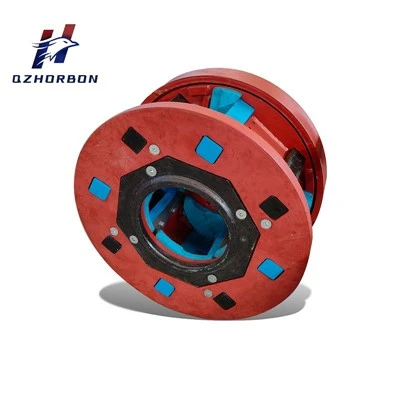
Let’s start with the basics, because I still have new customers who mix up “main shaft” with any old rod that turns. A main shaft is the primary rotating component in a machine or system that transfers torque (rotational force) from a power source—like a motor, engine, or turbine—to other parts that do the work. It’s the backbone, essentially. When it fails, so does whatever the machine is supposed to make or move. That’s why matching the shaft type to your application isn’t just a preference—it’s non-negotiable.
First up, the most common type I supply every week: the Solid Main Shaft. If you need a no-fuss, heavy-duty workhorse, this is it. Solid shafts are exactly what they sound like—one solid piece of metal (usually carbon steel, alloy steel, or sometimes stainless steel for corrosion resistance) with no hollow center. Why so popular? They can handle way more torque and bending force than hollow shafts of the same outer size. Think about it: if you’re powering a conveyor system that moves 10-ton loads, or a heavy-duty punch press that stamping metal parts all day, a solid shaft isn’t going to flex or break under pressure.
I once had a customer who tried to save money by swapping a solid shaft for a hollow one on their agricultural combine. Their logic? “It’s lighter, so it’ll save fuel.” Six weeks later, they called me at 2 a.m. saying their combine had snapped the shaft halfway through harvest season, costing them thousands in lost crops and repair bills. Turns out, the hollow shaft couldn’t handle the constant pounding from the combine’s threshing mechanism, plus the extra weight of the grain they were hauling. Solid shafts aren’t always the lightest, but they’re reliable for high-torque, heavy-load applications. They’re also easy to machine, weld, and modify if you need to add gears, pulleys, or bearings later. That said, they’re heavier, which might be a problem for applications where weight is critical—like aerospace or portable power tools. For those, hollow shafts are usually the better call.
Next, Hollow Main Shafts. These are the ones with a hollow center, usually made from the same steels or sometimes aluminum for extra lightness. You might be wondering why anyone would intentionally make a shaft that’s weaker than a solid one—here’s the thing: for a given amount of torque, a well-designed hollow shaft can be almost as strong as a solid one, but lighter. That’s a huge win in applications where weight matters, like aerospace components, high-speed machine tools, or robotics. If you’re using a shaft to feed material into a CNC lathe, for example, a hollow shaft lets you pass rods, cables, or lubrication lines right through the center. That simplifies the design of the machine, because you don’t have to run extra lines along the outside.
I supply a lot of hollow shafts to a medical equipment manufacturer that makes high-speed surgical tools. Their shafts need to spin fast to power the cutting blades, but they also need to stay light enough to hold for hours during operations. A hollow hollow shaft is perfect here—it reduces the overall weight of the tool, makes it easier for surgeons to use, and still handles the high rotational speed without flexing. Another advantage of hollow shafts: they can save material costs, since you’re using less metal. But they do have limits. If you need to handle extreme torque, a hollow shaft might not hold up—you’d be better off going solid, or a third type: Combination Main Shafts. These are exactly what they sound like—shafts that mix solid and hollow sections in one piece. One end might be hollow to feed lines or materials through, while the other end is solid to handle high torque from the power source. They’re custom-made for specific applications, and I’d say they’re one of the most underrated types out there.
I recently worked with a large packaging company that builds automated bottle-filling lines. Their shafts needed to connect to a motor on one end (which required a solid, high-torque section) and also carry cleaning fluid lines to the nozzles on the other end (which needed a hollow section). A single solid shaft wouldn’t let them run the fluid lines, and a single hollow shaft couldn’t handle the torque from the motor. So we built them a combination shaft: 12 inches solid on the drive end, 18 inches hollow on the nozzle end, machined to fit their exact motor and line specifications. It’s not a standard off-the-shelf part, but for applications that have multiple demands, it’s the only solution that works.
Another type I supply regularly is the Stepped Main Shaft. These are shafts with different diameters along their length, designed to fit components like gears, pulleys, or bearings in specific positions without extra hardware. Let’s be honest: if you have a shaft that’s 2 inches thick all the way down, putting a gear on it means you have to use set screws, keys, or clamps to keep it from sliding. Stepped shafts have wider sections where the gears and pulleys go, so those components sit snugly in place, reducing the risk of slippage and vibrations. That’s a big deal in high-precision applications like CNC machines, robotic arms, and automotive engines. If a gear slips on a shaft, you get misaligned cuts, uneven part quality, and eventually machine damage.
I had a customer in the automotive parts industry who was having trouble with their camshafts (which are a type of stepped main shaft) slipping, causing their engine parts to be out of spec. We machined their new camshafts with stepped diameters sized perfectly to fit their gears and timing pulleys, and they cut their defect rate by 40% in the first month. Stepped shafts also help with weight distribution—wider sections where the load is heaviest, narrower sections where the shaft just needs to connect to another part, so you’re not wasting metal on extra thickness where it’s not needed.
Then there’s the Splined Main Shaft, which is built with internal or external splines (the little gear-like grooves along the shaft) to transfer torque more reliably than standard keyed shafts. Splines let connected components slide along the shaft while still turning it, which is super useful in applications where the shaft needs to adjust its length or position—like in vehicle transmissions, agricultural equipment, and heavy-duty axles. For example, when you shift gears in a car, the splined main shaft lets the gear slide into place without losing power transfer. Splined shafts also handle more torque and last longer than keyed shafts, because the load is spread evenly across all the splines instead of just a small area on a key. I supply splined shafts to a construction equipment maker who builds excavators—their boom and arm systems need to adjust length while maintaining constant torque, and splined shafts are the only parts that can handle that kind of rough, heavy use.
Wait, can’t forget about Adjustable Main Shafts. These are shafts designed to change their length or position, used in applications like printing presses, conveyor systems, and textile machinery where you need to adjust the distance between rollers or components. They’re usually made with a threaded section or a locking mechanism that lets you extend or retract the shaft as needed. If you run a printing shop that uses different size paper rolls, an adjustable main shaft lets you swap out rolls without having to replace the entire shaft every time, saving time and money. I recently supplied a set of adjustable shafts to a local print shop that was switching from 11×17 inch paper to 13×19 inch rolls—they adjusted the shaft length in 10 minutes instead of having to order custom shafts, which would have taken a week and cost three times more.
Now, I need to be honest with you—there’s no “best” main shaft type. The right one depends entirely on what you’re using it for. Let’s run through a quick guide to help you decide:
If you need high torque for heavy loads (conveyors, punch presses, agricultural equipment): Solid Main Shaft. It’s durable, reliable, and easy to modify.
If you need high speed, low weight, or need to pass lines/materials through the shaft (surgical tools, CNC feed mechanisms, robotics): Hollow Main Shaft. Just make sure the torque demand is within its limits.
If you need to handle multiple demands, like high torque on one end and lines on the other (packaging equipment, custom machinery): Combination Main Shaft. This is usually a custom part, but it’s worth the investment.
If you need to keep components (gears, pulleys) aligned and prevent slippage (CNC machines, automotive camshafts, precision tools): Stepped Main Shaft. It reduces vibrations and improves part quality.
If you need torque transfer with sliding components (transmissions, excavators, heavy axles): Splined Main Shaft. It’s more reliable than keyed shafts for adjustable connections.
If you need to adjust shaft length for different applications (printing presses, conveyor systems, textile machinery): Adjustable Main Shaft. It saves time and money on custom parts.
Over the years, I’ve learned that the number one mistake people make when choosing a main shaft is prioritizing cost over performance. Cutting corners on a cheap, wrong shaft might save you a few dollars upfront, but the downtime and repair costs later? They add up fast. I once had a customer who bought a $200 off-the-shelf hollow shaft for a packaging line that should have used a combination stepped shaft. It lasted 10 hours before it snapped, and it cost them $12,000 in lost production. That’s a lesson I carry with me every time I help a customer pick a shaft.
At the end of the day, main shafts are more than just metal rods. They’re the unsung heroes of manufacturing, powering everything from small tools to massive industrial lines. If you’re not sure which type is right for your project, or if you need a custom shaft made to your exact specifications, I’m here to help. I’ve worked with everyone from small machine shops to large Fortune 500 companies, and I can help you find a shaft that fits your needs, your budget, and your timeline. Don’t let a bad shaft shut down your operation—reach out to talk through your requirements. I’m ready to help.
Crusher Pulley References:
- Kalpakjian, S., & Schmid, S. R. (2019). Manufacturing Processes for Engineering Materials. Pearson.
- Oberg, E., Jones, F. D., Horton, H. L., & Ryffel, H. H. (2020). Machinery’s Handbook (31st ed.). Industrial Press.
- British Standards Institution. (2018). BS ISO 10303-242: Industrial automation systems and integration — Product data representation and exchange — Part 242: Application protocol: Managed 3D engineering.
- American Gear Manufacturers Association. (2021). AGMA 925-A03: Accelerated life testing of gear and bearing materials for wind turbine gearboxes.
- DeGarmo, E. P., Black, J. T., & Kohser, R. A. (2022). Materials and Processes in Manufacturing (14th ed.). Wiley.
Quzhou Horbon Mining Parts Co., Ltd.
Address: No.8 Nanshan Road, Qujiang District, Quzhou City, Zhejiang Province, China
E-mail: horbonmining@gmail.com
WebSite: https://www.horbonmachinery.com/
