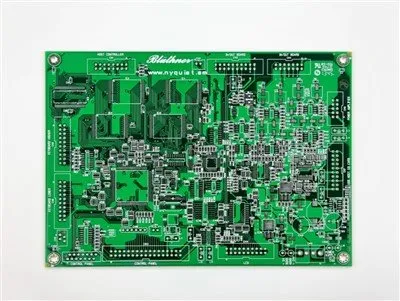
Hey there! I’m part of a prototype PCB assembly supplier team, and today I wanna chat about the adaptability strategies for prototype PCB assembly. It’s a wild ride in this industry, and staying adaptable is key to keeping up with all the changes. Prototype PCB Assembly
Understanding the Market Dynamics
First off, we gotta understand the market we’re in. The demand for prototype PCBs is always shifting. New technologies are popping up left and right, and customer needs are constantly evolving. For example, the rise of the Internet of Things (IoT) has created a huge demand for smaller, more energy – efficient PCBs. These IoT devices need to be compact and consume less power, which means our assembly processes have to adapt.
We also face competition from other suppliers. Some might offer lower prices, while others could have better turnaround times. To stay in the game, we’ve got to find our unique selling points. One of the things we focus on is the quality of our work. We make sure every prototype PCB we assemble meets the highest standards. This not only helps us build a good reputation but also keeps our customers coming back.
Technological Adaptation
Technology is the heart of prototype PCB assembly. We need to stay on top of the latest advancements. For instance, the switch from through – hole technology to surface – mount technology (SMT) was a game – changer. SMT allows for smaller components and more compact designs, which is great for modern electronics.
To adapt to these technological changes, we invest in new equipment. We’ve got state – of – the – art pick – and – place machines that can handle even the tiniest components with precision. These machines are a big part of our ability to assemble high – quality prototype PCBs.
Another important aspect is software. We use advanced design and simulation software to test our PCBs before we start the assembly process. This helps us catch any potential issues early on and make the necessary adjustments. It saves time and money in the long run.
Flexibility in Production
Flexibility is super important in prototype PCB assembly. Customers often have different requirements for their prototypes. Some might need a small batch of PCBs for testing, while others could be looking for a larger quantity for a pilot production run.
We’ve set up our production line to be as flexible as possible. We can quickly switch between different projects and adjust our production processes based on the customer’s needs. For example, if a customer needs a PCB with a specific layout or a particular set of components, we can make it happen.
We also offer different assembly options. We can do full – turnkey assembly, where we take care of everything from sourcing the components to the final testing. Or, if a customer already has the components and just needs the assembly service, we can do that too.
Quality Control Adaptation
Quality control is non – negotiable in our business. As the requirements for prototype PCBs change, so do our quality control measures. We’ve developed a comprehensive quality control system that covers every step of the assembly process.
We start by inspecting the components when they arrive at our facility. We make sure they meet the specifications and are free from any defects. During the assembly process, we use automated inspection systems to check for proper component placement and soldering. And after the assembly is complete, we do a final test to ensure the PCB functions as expected.
But quality control isn’t just about catching defects. It’s also about continuous improvement. We analyze the data from our quality control processes to identify areas where we can make changes and improve our overall quality.
Supply Chain Management
The supply chain is a crucial part of prototype PCB assembly. The availability of components can have a big impact on our ability to meet customer deadlines. We’ve had to develop strategies to manage our supply chain effectively.
One of the things we do is build strong relationships with our component suppliers. We work closely with them to ensure a steady supply of high – quality components. We also keep a buffer stock of commonly used components to avoid any delays in production.
However, the global supply chain can be unpredictable. There have been times when there were shortages of certain components due to factors like natural disasters or trade disputes. In these situations, we have to be creative. We look for alternative components that can be used in place of the ones that are in short supply. This requires some technical know – how, but it allows us to keep our production going and meet our customers’ needs.
Customer Communication
Good communication with our customers is essential for adaptability. We make sure to keep our customers in the loop throughout the entire prototype PCB assembly process. We provide regular updates on the progress of their projects, and we’re always available to answer any questions they might have.
When a customer comes to us with a new project, we take the time to understand their requirements. We ask them about their goals, their budget, and their timeline. This helps us come up with the best solution for their needs.
We also encourage feedback from our customers. After a project is completed, we ask them for their thoughts on the final product. This feedback helps us improve our services and adapt to their future needs.
Cost – Effective Adaptation
In addition to all the other strategies, we also need to be cost – effective. Customers are always looking for the best value for their money. We’ve found ways to reduce our costs without sacrificing quality.
One way we do this is by optimizing our production processes. We look for ways to streamline our operations and eliminate any unnecessary steps. For example, we’ve automated some of our assembly tasks, which not only improves efficiency but also reduces labor costs.
We also negotiate with our suppliers to get the best prices for components. By building long – term relationships with them, we can often get better deals. And we keep an eye on the market to make sure we’re not overpaying for anything.
Training and Skill Development
Our team is the backbone of our business. To adapt to the changing needs of prototype PCB assembly, we invest in training and skill development. We provide regular training sessions for our employees to keep them up – to – date with the latest technologies and techniques.
We also encourage our employees to learn new skills on their own. We offer incentives for them to take courses and earn certifications. This helps us build a team of highly skilled and adaptable workers.
Conclusion
In conclusion, there are many adaptability strategies for prototype PCB assembly. From understanding the market dynamics and technological advancements to being flexible in production, controlling quality, managing the supply chain, communicating with customers, being cost – effective, and investing in our team, every aspect plays a crucial role.
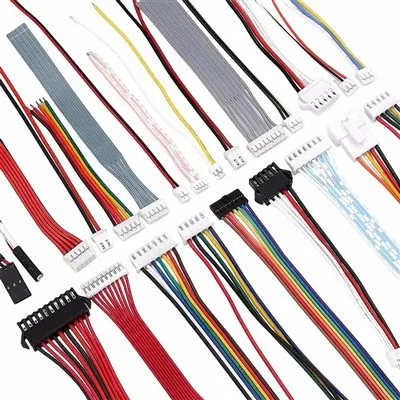
If you’re in the market for prototype PCB assembly, we’d love to have a chat with you. We’ve got the experience, the technology, and the adaptability to meet your needs. Whether you’re working on a small – scale project or a large – scale production, we can help you bring your ideas to life. So, don’t hesitate to reach out and start a conversation about your next project.
Quick Turn PCB Assembly References:
- Printed Circuit Board Handbook by Clyde Coombs
- Electronic Packaging and Interconnection Handbook by Ronald J. Tummala
Huaswin Electronics Technology Co., Ltd.
Address: Building A2, Hao Hai Hong Industrial Park, No.3 Yu He Road, Gong He, Sha Jing, Bao An, Shenzhen
E-mail: sales@huaswin.com
WebSite: https://www.huaswin-pcba.com/
