Alright, let’s cut to the chase—if you work with hollow fiber membrane modules (which I’m guessing you do, since you’re here), you’ve probably heard backwashing tossed around like it’s some magic fix for keeping your system running. But here’s the thing: it’s not magic—it’s a intentional, data-backed process, and as a hollow fiber modules supplier, I’ve watched too many clients skip the basics and end up with fouled fibers, lost productivity, and even premature module replacement. Today, I’m breaking down exactly what backwashing for hollow fiber modules is, why it matters, and how getting it right can save you a ton of headaches (and cash) down the line. Hollow Fiber Modules

First, let’s level set on what hollow fiber modules even are, in case you’re new to this. Think of them like a bundle of super-thin, straw-like membranes—each fiber has tiny pores that let water (or whatever fluid you’re filtering) pass through, trapping gunk like sediment, bacteria, or organic matter on the surface. Over time, that gunk builds up, right? That’s called fouling, and it’s the #1 enemy of hollow fiber systems. Left unchecked, fouling increases pressure drop (your system has to work harder to push fluid through), lowers flux (how much water you get per hour), and eventually kills the module’s lifespan.
Backwashing is the process where you reverse the flow of fluid through those fibers—instead of fluid going from the outside of the fiber to the inside (for most modules, anyway), you push it from the inside out (or sometimes vice versa) to blast that built-up gunk off the fiber walls. It’s like giving your fibers a pressure-based deep clean, no harsh chemicals needed (though some systems pair it with mild additives, but that’s a side note).
Now, let’s get specific on how it actually works, because it’s not just flipping a switch. When a hollow fiber system is in normal filtration mode (what we call the “run cycle”), fluid is moving through the module, picking up contaminants on the fiber surfaces. After a set period—we usually recommend 15 to 60 minutes, depending on your feed water quality—you trigger the backwash cycle. Here’s the step-by-step breakdown, in plain terms, no jargon overload:
First, you pause the normal flow. That means closing the permeate outlet valve (the line that carries clean water away) and the feed inlet valve, so you stop sending new fluid through the module. Then, you open the backwash inlet valve—this is where you send the high-pressure cleaning fluid in. Wait, what’s the backwash fluid? 9 times out of 10, it’s permeate (the clean water you already made) because you don’t want to introduce new contaminants into the system. Some industrial setups use treated water, but permeate is the go-to for most municipal and industrial applications I work with.
Once that backwash fluid is flowing at the right pressure (usually 10 to 30 psi, depending on your module’s specs), you reverse the flow direction. So if during filtration, fluid was moving from outside the fiber to inside, now it’s moving inside out. That reversal creates a shear force along the fiber walls—like a broom sweeping crumbs off a table. That shear force is enough to dislodge the cake layer of fouling that’s built up, and it carries that gunk out of the module through a separate backwash drain valve. The backwash cycle only lasts a short time—30 to 120 seconds—because you don’t want to flood the fibers or damage them (more on that later).
After the backwash cycle ends, you close the backwash inlet and drain valves, reopen the feed and permeate valves, and go back to normal filtration mode. It’s a quick, regular check-in that keeps your fibers from getting clogged so bad you have to do a full chemical clean (which is more expensive and harder on the long run).
Now, let’s talk about why this isn’t a “set it and forget it” thing. I see so many new clients run backwash at the same pressure every single day, no matter what their feed water is like. But if your feed water gets really dirty one day—like after a rainstorm that stirs up a ton of sediment—your backwash needs to be a little more aggressive. Too little pressure, and you leave fouling behind, which builds up over time. Too much pressure, and you can damage the fibers. Those thin, straw-like membranes aren’t indestructible—push them too hard, and they can tear, collapse, or get pulled out of the module’s potting (that sealed end of the fiber bundle). A damaged fiber is a dead fiber, and replacing a whole module 2 years early costs way more than adjusting your backwash settings.
Another thing that surprises people: backwash frequency. Some guys run backwash every 10 minutes, which is overkill. Others run it every 2 hours, which is not enough. The sweet spot depends on three main factors: feed water quality, flux rate, and the type of fouling you’re dealing with. For example, if you’re filtering drinking water with low turbidity (less than 0.5 NTU), you can get away with backwashing every 45 to 60 minutes. If you’re filtering wastewater with high organic content, you might need to backwash every 15 to 20 minutes. I always tell clients to monitor their pressure drop across the module—if it jumps 10% above normal, that’s your sign to either bump up backwash frequency or adjust the pressure.
Wait, let’s also clear up a common myth: backwashing isn’t just for dead-end systems. Some people think it only works if the fluid only goes one way through the module, but no—cross-flow systems (where some fluid flows parallel to the fibers to carry away light fouling) also use backwashing as a secondary clean. In cross-flow, you get some fouling from the cross flow, but the cake layer still builds up, so backwashing takes care of that. I’ve had cross-flow clients swear by backwashing for extending their module life by 30% over 5 years.
Now, as a hollow fiber modules supplier, I have to be honest: backwashing only works if your module is the right fit for your system. You can have the perfect backwash program, but if your fibers are too dense, or made of the wrong material for your feed water, you’re going to have issues. For example, if you’re working with high chlorine feed water, you need PVDF (polyvinylidene fluoride) fibers, which are chemical resistant. If you use PS (polysulfone) fibers, chlorine will degrade them over time, and backwashing won’t save them. That’s why I always ask clients to share their feed water specs before recommending a module—no one wants to waste money on a module that can’t handle the backwash or the fluid it’s filtering.
Another pro tip from my years in the game: pre-treat your feed water before it hits the hollow fiber module. Backwashing is great for daily fouling, but if you have large particles (like sand, silt) coming through, they can scratch the fiber walls and create weak points. A simple sediment filter before the module will cut down on how much fouling the backwash has to handle, and make your backwash cycle more effective. I had a client last year who skipped that pre-treatment, and after 6 months, his backwash pressure was through the roof—turns out, he had tiny sand particles wearing holes in 10% of his fibers. Adding a $50 sediment filter fixed the issue and saved him $10k in module replacement.
Let’s talk about common mistakes people make with backwashing, because I see these all the time. First, using the wrong backwash fluid. Some clients use raw feed water instead of permeate, which adds new contaminants to the module and can cause more fouling. That’s a quick way to turn your backwash into a dirty process. Second, running backwash too long. The sweet spot is 30 to 120 seconds—any longer than that, and you’re wasting water (which is a big deal if you’re in a drought, or paying for treated water) and putting unnecessary stress on the fibers. Third, not monitoring backwash performance. You should track things like backwash flow rate, pressure, and frequency over time. If your backwash flow rate drops, that means your fibers are getting more fouled, or there’s a blockage in the line. Catching that early can prevent you from having to do a full chemical clean or replace modules.
Now, let’s circle back to why this matters for you, the end user. A well-executed backwash program can extend the lifespan of your hollow fiber modules by 2 to 5 years. The average module lasts 5 to 7 years, so that’s a huge jump. Less downtime, lower operational costs (no frequent chemical cleans, less energy used because pressure stays low), and more consistent water quality. I have a municipal water client who switched to a better backwash setup and the right hollow fiber modules from us, and their chemical cleaning frequency went from every 3 months to every 18 months. That saved them over $200k a year in chemicals and labor.
At the end of the day, backwashing isn’t some complicated industry secret—it’s a routine maintenance step that makes or breaks your hollow fiber system. Whether you’re running a small residential system or a big industrial plant, getting your backwash process right is non-negotiable. And if you’re in the market for hollow fiber modules that are built to handle effective backwashing (because not all modules are the same), I’m here to help. We work with all types of clients, from small businesses to large municipalities, and we can help you figure out the right module and backwash setup for your specific needs.
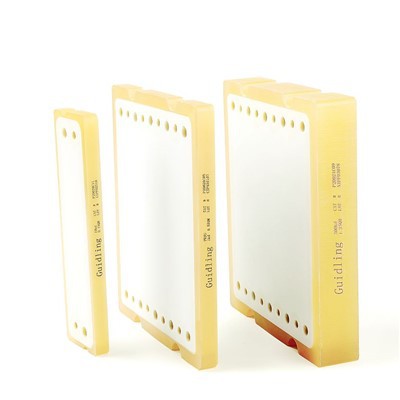
If you’re tired of dealing with fouled modules, inconsistent water flow, or frequent replacement, reach out to us to chat through your project. We don’t do one-size-fits-all solutions—we take the time to understand your feed water, your flow needs, and your budget to recommend the best hollow fiber modules and backwash plan that works for you. Don’t let avoidable issues eat into your profits—let’s get your system running smoothly.
Centrifugal UF Device / Tube References
- Membrane Filtration Technical Guide. American Water Works Association, 2020.
- Hollow Fiber Membrane Modules: Design, Operation, and Maintenance. Elsevier, 2018.
- Fouling Control in Membrane Systems: Backwashing and Beyond. Journal of Membrane Science, vol. 542, 2017, pp. 1-15.
- Practical Guidelines for Backwashing Hollow Fiber Ultrafiltration Modules. Water Research Foundation, 2019.
Hangzhou Guidling Technology Co., Ltd.
As one of the leading hollow fiber modules manufacturers and suppliers in China, we also support customized service. We warmly welcome you to wholesale high quality hollow fiber modules in stock here from our factory. For quotation, contact us now.
Address: No.795, 18th Street, Qiantang New District, Hangzhou City, Zhejiang Province, China
E-mail: export1@guidling.net
WebSite: https://www.guidlingfiltration.com/
