Hey there, if you’ve ever stood in a hardware store scrolling through rubber straps for your project—whether it’s fixing a patio chair, rigging a garden hose, or even sprucing up a piece of outdoor gear—you’ve probably seen both EPDM and silicone straps side by side. I’ve been selling EPDM rubber straps for going on seven years now, and let me tell you, way too many folks reach for the “silicone” one just because it sounds fancy… only to regret it when it cracks after a single winter, or vice versa. Today, I’m breaking down the real, no-BS differences between these two, no stuffy industry jargon, and no confusing sales fluff. Epdm Rubber Strap
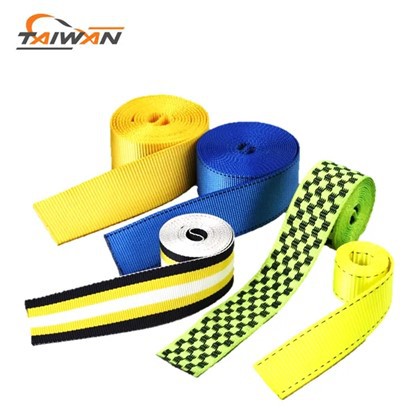
First off, let’s get super basic: both are synthetic elastomers, which is just a fancy way of saying they’re rubber-like materials that stretch and hold shape, right? But their chemical DNA couldn’t be more different. Let’s start with EPDM, since that’s what I sell every day. EPDM stands for Ethylene Propylene Diene Monomer, in case you were wondering, and it’s made from three main building blocks that give it that tight, weather-resistant structure. Silicone, on the other hand, is made from silicon, oxygen, carbon, and hydrogen—think of it as a hybrid between rubber and plastic, basically.
The biggest difference most people actually care about? How they hold up outside, in real-world conditions. Let’s talk UV resistance first. If you’re buying a strap for outdoor use—like securing a trampoline enclosure, or hanging planters from a porch, or holding a tarp down through summer’s harsh sun—EPDM is the undisputed king here. I’ve had customers come back to me two, three, even five years later saying their original EPDM strap is still working, no fading, no cracking, no stretch turning into a permanent sag. Why? EPDM’s molecular structure is super saturated with those ethylene and propylene units, so UV rays can’t break it down easily. Silicone… well, it’s better than natural rubber, but it’s not EPDM. Leave a silicone strap out in direct Florida sun for a year, and it’ll get brittle, chalky, and snap if you tug it hard. I see this all the time—customers who buy silicone for outdoor projects end up needing to replace it twice as often, and usually come to me afterward asking for a better option.
Next up, temperature range, which is huge if you’re working anywhere with extreme hot or cold. EPDM can handle temps from like -50°F all the way up to 300°F, no problem. That means it won’t freeze solid and snap during a Minnesota winter, and it won’t melt or get goopy if you use it around a barbecue grill or hot water pipes. Silicone’s range is… similar, wait, but here’s the catch: silicone actually loses its strength at both ends of the temp spectrum way faster than EPDM. If it’s 100°F or hotter, silicone starts to get soft and stretchy—so if you’re using it to hold something heavy, like a lawn tool, it might slip or stretch out permanently. At the other end, way below freezing, silicone is more likely to crack when bent, whereas EPDM stays flexible, like a good rubber band that doesn’t break when you stretch it in the cold. I learned this the hard way early on—last winter, I had a customer test both straps on a ice fishing shack’s door. The silicone one snapped when they tried to open it at -20°F, and the EPDM one worked like nothing was wrong.
Now, what about chemical resistance? This is a big one for folks who work with chemicals, automotive parts, marine stuff, or even cleaning supplies. EPDM is super resistant to acids, alkalis, detergents, and even many common oils and greases—just not petroleum-based oils, fun fact. So if you’re securing parts under a car, or holding a hose that carries bleach, or rigging a boat’s safety gear that gets splashed with saltwater and marine chemicals, EPDM is perfect. It won’t degrade, swell, or get ruined. Silicone? It’s actually pretty bad at resisting most chemicals, especially petroleum-based ones like gasoline, diesel, or even some soaps. If you leave a silicone strap on a gas can nozzle, it’ll swell up and get sticky in a week. And if you need something to handle harsh cleaning chemicals, silicone just can’t hold up compared to EPDM.
Wait, but hold on—silicone isn’t all bad. It has some perks that make it the right choice for certain jobs, and I’d never tell a customer to buy EPDM for everything. For example, silicone is way more heat-resistant at really high temps—like over 400°F. If you’re using a strap near a wood stove, or to hold a part in an industrial oven, silicone might be a better pick. Also, silicone is non-stick and food-safe, right? So if you need a strap for a baking sheet, or to hold food containers shut, or to make kitchen gadgets like food bag seals, silicone is the way to go. It doesn’t leach weird chemicals into food, and it doesn’t get sticky with grease. EPDM, on the other hand, isn’t food-safe—we never use our EPDM straps for anything that touches food, because it has additives to make it weather-resistant that aren’t good to ingest. That’s a key point I make every time a customer asks.
Another thing people don’t talk about much: elasticity and stretch. Silicone has a super high stretch ratio—like up to 800% before breaking—so it’s really stretchy, which is good for things like medical devices or stretchy seals. But that stretch means it doesn’t have as much “holding power” for heavy loads. If you’re hanging a 5-pound planter, silicone will stretch and sag over time, whereas EPDM has a more balanced stretch—enough to get a tight fit, but not so much that it stays stretched out. I always explain this to customers: if you need a strap that’ll hold something steady for years, EPDM’s elasticity is better. If you need a stretchy seal that doesn’t mind being tugged a lot, silicone works.
Durability long-term is probably the biggest differentiator I see in my business. Let’s do a quick cost comparison, because that’s what everyone cares about. A 10-foot EPDM strap roll might cost a couple bucks more than silicone, but if it lasts 3-5 times longer, it’s actually cheaper in the long run. I had a landscaper come to me last year who was buying silicone straps for securing mulch bags, and he was going through 10 rolls a month. Switched to EPDM, he’s only going through 2 rolls a month, and he says they don’t rot from being in the dirt or sun. Silicone might be cheaper upfront, but the replacement costs add up fast, not to mention the hassle of having to fix your project every few months.
Wait, also, how do you tell them apart when you’re at the store or ordering online? A lot of manufacturers don’t label them clearly, but there are a few tricks. First, feel: EPDM is a bit more matte, has a subtle rubbery smell, and is a bit denser—heavier for the same size strap. Silicone is more slippery-feeling, a bit shinier, and usually doesn’t have that strong rubber smell, kind of like plastic. If you’re testing flexibility, pull a small piece: EPDM will bend and stay flexible, even when cold, and snap back to its original shape. Silicone will feel more springy, not as “rubbery,” and might leave a permanent crease if you bend it sharply. And if you have a lighter (don’t do this on purpose, but if you accidentally singe a piece): EPDM will burn with a black smoke, like regular rubber, and leave a black ash. Silicone will burn with a white smoke, and leave a hard, white residue that’s crumbly. Just make sure you’re testing a scrap, not your whole strap!
Now, let’s talk about when to pick which one, because it’s not a one-size-fits-all answer. If your project is outdoor, near chemicals, needs to hold heavy loads, will be exposed to extreme temps, or needs long-term durability? Go EPDM, hands down. That’s our bread and butter, and we’ve helped thousands of customers pick the right size and gauge for their specific job, whether it’s a construction company needing bulk straps, a homeowner fixing a patio, or a marine supply business needing saltwater-resistant straps. If your project is food-related, needs to handle super high temps, or needs maximum stretch for a seal or medical use? Silicone is the way to go.
Here’s the thing I always tell customers who come to me confused: don’t just go for the “cheapest” or the “most popular” option. Ask yourself where this strap will live, what it’ll hold, and what conditions it’ll face. 9 times out of 10, if it’s not for food or super high heat, EPDM is going to be the better, longer-lasting, more cost-effective choice. I’ve been in this game long enough to see all the mistakes—people using silicone for a gate that’s left out in the sun all year, using EPDM to seal jam jars (don’t do that, by the way), and I’d rather help you get it right the first time than have you come back frustrated.

Speaking of coming back, if you’re shopping for rubber straps and you’re not sure which is right for your project, or if you need bulk EPDM straps for a job, I’m here to help. No pushy sales stuff, no hidden fees—just straight talk about what will work best for your needs. We can chat through your project, send you samples, and get you exactly what you need without all the hassle.
Custom Belt Buckles References:
- Rubber Chemistry and Technology, Vol. 85, No. 3, 2012, pp. 385-407.
- Marine Protective Coatings Handbook, 2nd Edition, NACE International, 2018.
- Food and Drug Administration (FDA) Guidelines for Food-Contact Elastomers, 2021.
- Handbook of Elastomers, 2nd Edition, CRC Press, 2001.
- Outdoor Rubber Products Performance Specifications, ASTM D5306-19, 2019.
Good Success Corp.
Good Success Corp. is one of the leading epdm rubber strap manufacturers and suppliers in China. We warmly welcome you to buy cheap epdm rubber strap for sale here from our factory. All customized products are with high quality and competitive price. Contact us for more details.
Address: NO.54, CHANG MA ROAD, CHANG HUA 500051, TAIWAN, R.O.C.
E-mail: sales@gscbelt.com
WebSite: https://www.gscseatbelt.com/
