If you’re here because you use stainless cut off wheels on the reg, I get it. These bad boys are essential for slicing through stainless steel, alloy, and even tough metals like titanium—we sell ’em, so I know how handy they are. But here’s the thing: mess up using one, and it can go wrong real quick. I’ve seen people skip basic precautions because they think “stainless cut off wheels are tough, I can wing it”… and that’s how injuries happen. Today I’m breaking down exactly what you need to do to stay safe, no fancy jargon, just real shit from a supplier who’s been in this game for years. Stainless Cut Off Wheel
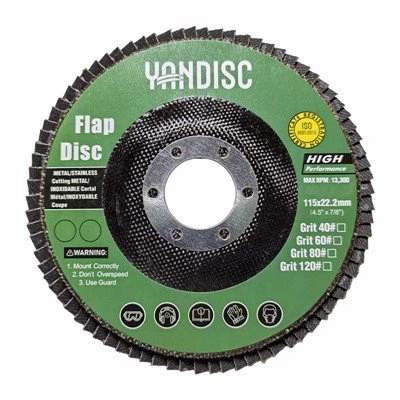
First off, let’s start with the basics you might’ve brushed off. The wheel itself isn’t one-size-fits-all. I’ve had customers come to me with a generic wheel they picked up at the hardware store, trying to cut 304 stainless. That’s a disaster waiting to happen. Stainless cut off wheels are made with specific grit, bond material, and thickness for stainless—generic wheels can flex, shatter, or glide instead of cutting clean. Before you even fire up the grinder, double-check that the wheel is rated for the metal you’re working on and the grinder’s spindle speed. Wait, speed matters a lot. Every cut off wheel has a max RPM rating on the label. If your grinder spins faster than that, the wheel can explode. I’ve had one customer learn this the hard way—his wheel shattered, bits flew into his arm, and he was out of work for a week. Don’t be that guy. Just match the grinder speed to the wheel’s max RPM, easy.
Next, personal protective equipment (PPE). This isn’t just “wear goggles”—it’s full-on protection, and yes, I’m gonna say this even though I sell the damn wheels. Let’s break it down: Eye protection is non-negotiable. Not the cheap drugstore reading glasses—impact-resistant safety goggles or a face shield. When a wheel cuts through metal, it throws sparks, metal shavings, and sometimes tiny wheel fragments at insane speeds. A face shield is better because it covers your whole face, not just eyes—plus, sparks don’t burn your cheeks if you’re wearing one. Then, hearing protection. Grinders are loud—like 100+ decibels loud. After 15 minutes of that, your hearing takes a hit, and it’s permanent. Earplugs or earmuffs, no exceptions.
Hands: Gloves. But wait—don’t use work gloves that are loose or have fabric that can catch on the grinder. If the wheel grabs your glove, it can yank your hand into the grinder. Use tight-fitting, heat-resistant gloves, like leather ones made for metal work, and make sure they’re not frayed. Also, long sleeves? Roll ’em down tight. No baggy clothes—sleeves can dip into the cutting area, and sparks can singe them. If you have long hair, tie it all the way back, no loose strands. I’ve seen a guy with shoulder-length hair not tie it, and a spark caught a strand on fire—thank god he saw it quick, but it was a close one. And closed-toe shoes, obviously. No sandals, no sneakers with holes—sparks land on feet, and metal shavings can drop into shoes and burn.
Now, setting up your workspace. You can’t cut off wheels in a cluttered area. First, make sure you have enough space—at least 3 feet around you, so nothing is in the way if the wheel kicks back. Clear all flammable stuff: paper, rags, gasoline, even wood. Sparks can travel 10+ feet, so if you’re cutting on a workbench next to a stack of paper, that’s a fire risk. I always tell my customers to keep a Class B fire extinguisher nearby too—for flammable liquid or electrical fires, not water. If a fire does start, don’t grab a garden hose, use the extinguisher.
Then, the grinder setup itself. This is where people mess up most. When you mount a new cut off wheel on the grinder, you need two flanges—one on each side of the wheel, same size. If you only use one flange, the wheel will flex when you cut, and it can break. The flange should be no less than 1/3 the diameter of the wheel, too. Tighten the spindle nut, but not too tight—if you over-tighten, the wheel can crack. Then, spin the grinder by hand first before turning it on. Listen for any weird noises—grinds, wobbles, squeaks. If it’s not straight, take the wheel off and start over. Also, never use a cut off wheel that’s cracked, chipped, or bent. Inspect it every single time you mount it. I can’t tell you how many times a customer has tried to use a wheel with a tiny chip, and it shattered mid-cut. Just toss the damaged one—they’re cheap compared to a hospital bill.
When you’re actually cutting, technique matters a lot. Don’t apply too much pressure. A cut off wheel is thin and designed to cut, not to bear your weight. If you push hard, you’ll make the wheel flex, overheat, and break. Let the wheel do the work. Guide it slowly, steady, no jerky movements. And—super important—never hold the piece you’re cutting with one hand and the grinder with the other. Use a vise or a clamp to hold the metal steady. If you hold it by hand, if the wheel kicks back, the metal can fly into your hand, or the grinder can slip and hurt you. I’ve had a friend who did this once, and the metal piece he was holding flew and hit him in the ribs—broke two. Clamp everything down, it’s not worth the risk.
Also, the cutting direction. Stand to the side of the wheel’s rotation, not in line with it. If the wheel shatters, fragments will go with the rotation direction. If you’re standing straight in front, you’re directly in that line. Stand at a 90-degree angle, so if something flies, it goes past you, not at you. And never turn the grinder on while it’s touching the metal. Let the wheel reach full speed first—30 seconds to a minute, depending on the grinder. If you touch it cold, the wheel can stall, bind, and break.
Overheating is another big issue with stainless cut off wheels. Stainless steel generates more heat than regular steel when you cut it, and too much heat can make the wheel’s bond break down, leading to it falling apart. How to fix that? Don’t cut the same spot over and over. Move the grinder along the cut line steadily, give the wheel a second to cool off between passes. If you’re doing a long cut, take a break every few minutes, let the wheel stop spinning and cool down. I’ve had customers rush through a big job, and their wheel literally melted the bond, so the abrasive grit came off in chunks. Waste of money, plus dangerous.
Wait, what about sparks? They’re just hot metal shavings, right? But they can cause burns if they land on exposed skin. That’s why long sleeves and pants matter, no exposed wrists or ankles. Also, if you’re cutting outdoors, make sure there’s no dry grass or leaves nearby—sparks can start a fire fast. I once had a customer cut in his backyard, didn’t notice the dead grass, and a spark started a small fire that burned a patch of his lawn. He felt terrible, but he learned his lesson.
What if something does go wrong? Like, the wheel starts to wobble, or you hear a weird crack. Stop immediately, turn off the grinder, unplug it (or disconnect the battery if it’s cordless), and let it stop completely before touching anything. Don’t try to keep going to finish the cut—just stop. A wobble is a sign the wheel is damaged or mounted wrong, and it will break if you push through it.
Oh, and one thing I see all the time: using a cut off wheel for grinding. Those wheels are thin, designed for slicing, not for heavy grinding. If you use a cut off wheel to smooth down a weld, it’s way too fragile, it will break. Save grinding for grinding wheels, use your cut off wheel only for cutting. That’s a common mistake, and it’s super preventable.
Let me circle back, since I’m a supplier—we sell stainless cut off wheels, but I don’t want my customers to use them wrong just because we get a sale. That’s why we give this advice to every one of our clients. If you’re using a generic wheel, upgrade to one made specifically for stainless—they’re designed to handle the heat and the hardness, and they’re way less likely to break. When you need replacement wheels, or you have questions about which one fits your grinder and job, just reach out to us. We’re here to help you get the right product and the right info to stay safe while working.
At the end of the day, safety isn’t a hassle—it’s what keeps you going home after the job. The 10 minutes you spend checking the wheel, putting on PPE, clamping your metal, will save you a lot of pain, time, and money later. I’ve worked around tools long enough to know that mistakes usually come from cutting corners on safety. Don’t cut corners.

If you’re a contractor, a hobbyist, or anyone who regularly uses stainless cut off wheels, and you need high-quality, reliable wheels that meet all safety specs, hit us up to talk through your needs. We can help you pick the right wheel for your grinder, your metal, and your job, so you can work efficiently and safely. Let’s make sure you have the right tools and info to get the job done right, no accidents.
Ceramic Flap Disc References
- Occupational Safety and Health Administration (OSHA). “Grinding and Cutting Operations Safety Guidelines.” OSHA, U.S. Department of Labor.
- Abrasive Technology Association. “Proper Mounting and Use of Cut-Off Wheels.” ATA Industry Standards.
- Stainless Steel Fabricators Association. “Best Practices for Cutting Stainless Steel with Abrasive Wheels.” SSFA Safety Manual.
- Centers for Disease Control and Prevention (CDC). “Workplace Hearing Loss Prevention for Metal Workers.” CDC National Institute for Occupational Safety and Health.
Henan Yandisc Hardware Tools Co., Ltd.
Address: Zinan Road, High-tech Industrial Development Zone, Zhengzhou, Henan, China
E-mail: info@yandisc.com
WebSite: https://www.yandisc.com/
